MAM
Cheil Worldwide SW Asia makes senior level appointments

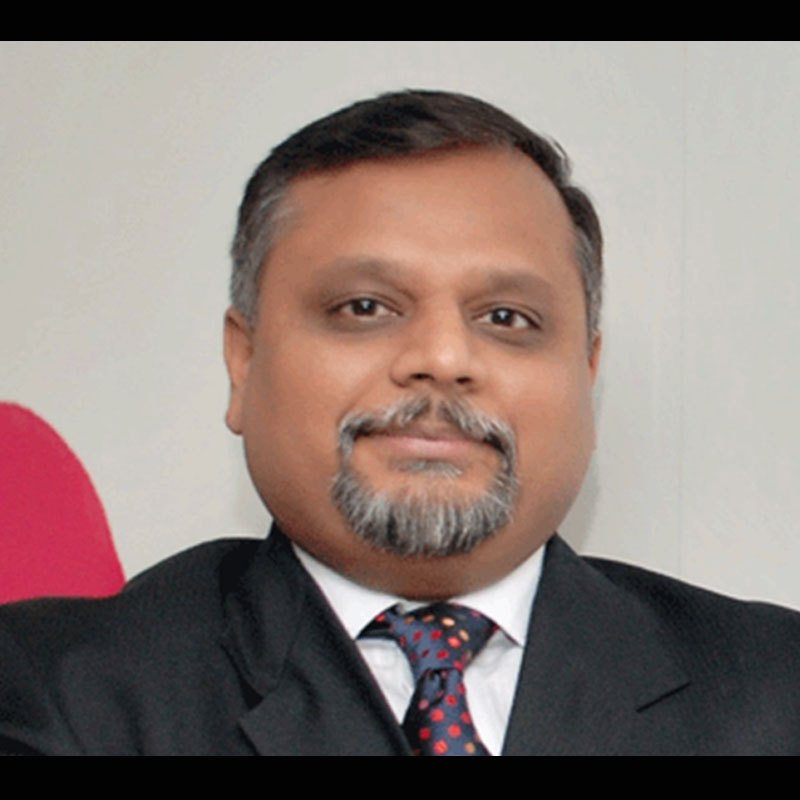
MUMBAI: Cheil Worldwide SW Asia has made senior level appointments.
The agency has brought on board Ravi Narain as executive creative director, Sanjeev Hajela as senior vice president BTL South West Asian markets, Vikram Bhardwaj as DGM interactive and Saswati Sinha as head human resources.
Narain moves in from Emaar MGF where he was vice president marketing and designs, while Hajela joins from the DDB Mudra Group where he was president retail and way finding business. Bhardwaj‘s last stint was with ThoughtBuzz India where he was country head while Sinha was with Evalueserve.

Cheil WW SW Asia COO Alok Agrawal said, “Cheil India is expanding at a rapid pace and as a fully integrated, one solution agency we offer a great opportunity for growth of talent. With Ravi, Sanjeev, Vikram on board we see more client successes and acquisitions coming our way. Saswati‘s joining us also demonstrates the power of brand Cheil even for Human Resource management.”
Prior to joining Emaar MGF, Narian has also worked with Bates David Enterprise Advertising as ECD, Contract Advertising as associate vice president, Foote Cone & Belding in Toronto, and associate creative director with Grey Advertising.
Hajela comes in with over 25 years of experience in marketing. Prior to DDB Mudra Group, he has also worked with ITC (tobacco Division), Brown Forman Beverages Worldwide LG chemicals- Korea, and Primesite- New Delhi. In the last 11 years, he worked in various positions including the vice president and head of national Sales.
Bhardwaj brings with him almost 10 years of marketing management expertise and resourceful insight in strategic marketing methodologies. He has also worked with Jet Airways, WNS and Annik Technology Services. Of late, his focus has been on making significant contributions to online marketing and offering strategies on social media management and planning.
Sinha comes with more than 13 years of experience across industries. She started her career in the manufacturing industry and moved on to IT Media. She moved on to Advertising in 2006 as HR Director to Delhi JWT.




Brands
Origen Realty names Preeti Rai as president- sales & strategy
Veteran hire signals push into Gurugram market with growth ambitions

GURUGRAM: Origen Realty has appointed Preeti Rai as president for sales and strategy, as the company gears up to enter the competitive Gurugram property market.
The move brings in a seasoned industry hand with over two decades of experience across residential and commercial real estate. In her new role, she will lead the company’s sales operations and go-to-market strategy, with a focus on building a strong foothold in Gurugram and driving early momentum.
Origen Realty management said the appointment marks a key milestone in its expansion plans. Origen Realty management said the hire will help sharpen execution and strengthen the company’s sales-led growth strategy as it steps into a new market.
Preeti Rai said, “I look forward to being part of Origen Realty at a pivotal stage in its journey and contributing to building a strong presence in the Gurugram market.”
Before joining Origen Realty, she served as senior vice president for sales and marketing at Elan Group. Her career also includes stints at major developers such as DLF Universal Ltd, Today Homes and Infrastructure, Paras Buildtech Pvt Ltd and Ambience Infrastructure Ltd, where she built expertise across channel sales, leasing, and end-to-end deal execution.
Known for her focus on strategy and team leadership, Rai is expected to play a central role in shaping Origen Realty’s market positioning and sales ecosystem in the region.
As Gurugram’s real estate market continues to attract fresh investments and new entrants, Origen Realty’s latest leadership hire signals its intent to compete with a clear, sales-driven playbook.






