MAM
Bru mounts ‘real couples’ on billboards to drive brand impact

MUMBAI: Two couples perched on a billboard overseeing the traffic snarl below… sounds absurd? Well, it is purely a demonstration of traditional media cutting through mundane communication, overpowering the hustle and bustle but forcing passers-by to turn around and take notice!
This is Hindustan Lever’s (the name is now Hindustan Unilever subject to shareholder approval) latest campaign for its beverage brand Bru. The tagline reads – “An evening to remember awaits you, buy a pack of Bru to know more.” Urging consumers to purchase a pack of Bru, the enticing message guides them to a code on the pack that could win them the luxury of a chauffer driver car to a five star hotel for quite meal with their family.
Unleashed across multiple cities but geographically restricted to the Northern and Western region, the FMCG major has used a media mix of outdoor, radio and print to promote its coffee category. However the OOH implementation has been used to create a striking “impact.” HLL general manager media services Rahul Welde explained that the rational behind unveiling the campaign was primarily to be “disruptive, gain high noticability and create impact.”
It is clear that such an activity is done to boost the coffee consumption pattern in the North-West region, which demonstrates low coffee drinking habits as compared to the South, which obviously necessitates a greater push by the brand.

Different media like OOH, radio and print has been suitably used to convey this communication across the region, but largely driven by the local effectiveness of that medium, says Mindshare Fulcum GM Himanshu Shekhar.
The campaign has been rolled out in Mumbai, Ahmedabad, Pune and Bangalore. “The outdoor advertisements have been placed to garner high visibility and thus force people to remember the message. It is part of a strategic thrust that is being given to the coffee brand as there is a huge growth opportunity in this category,” says Shekhar.
However, Hedge says that the biggest challenge in this case (which requires actual people to be a part of the hoarding) is to execute the campaign.
When queried about the selective nature of the campaign, both in terms of distribution and media usage, Shekhar opines, “We have deliberately omitted television from the mix as it would amount to wastage and cause a huge spillover because the campaign is region specific and using TV would mean a pan Indian reach. However, the absence of TV challenged us to use the other mediums to create an impact.”
The specialist GroupM agency Fulcrum that services the portfolio of HLL brands had previously carried a pilot campaign of the same nature in Pune, which they claim gave them encouraging results to now carry it forward on a bigger scale.




MAM
Beacon Group appoints Dr Rajesh Patel as Group CEO
36-year healthcare veteran to lead Beacon Diagnostics, Vector Biotek, Biogeny.
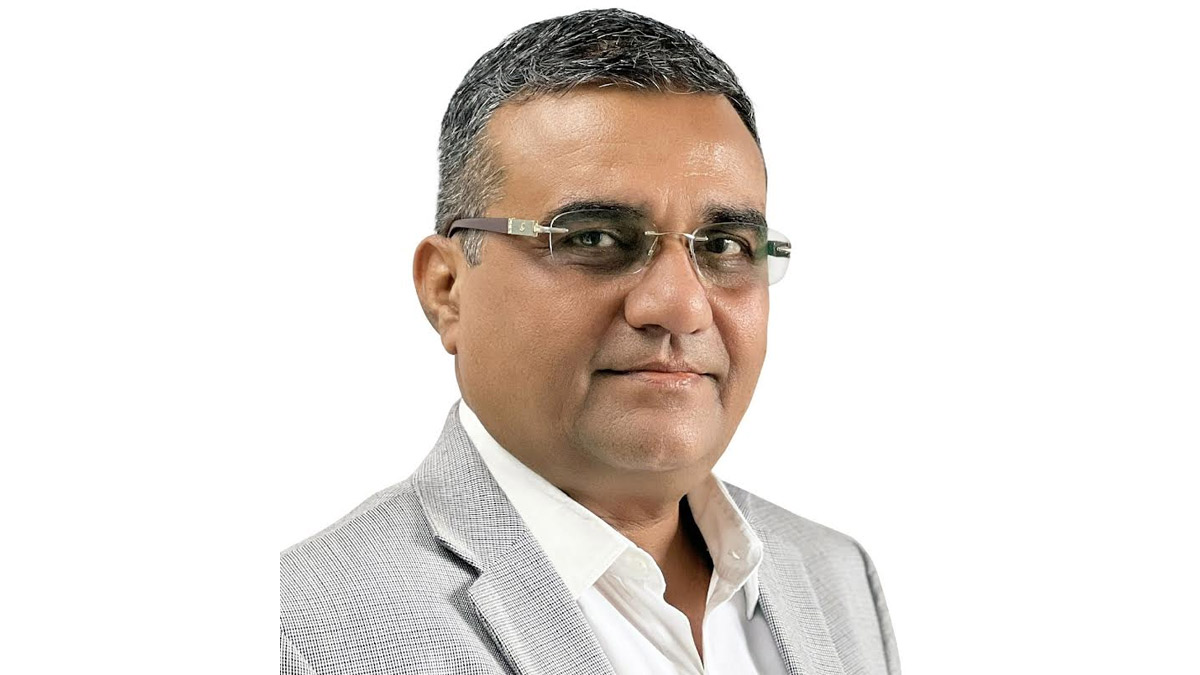
MUMBAI: A new chief, a fresh diagnosis and a sharper prescription for growth. Beacon Group has appointed Dr Rajesh Patel as its Group Chief Executive Officer, effective April 1, 2026, signalling a decisive push to scale its presence in the diagnostics and IVD space. Patel steps into the role with 36 years of experience across the healthcare and diagnostics industry, bringing a career shaped by leadership roles spanning sales, marketing, business development and operational strategy. His mandate is both expansive and precise: to steer the group’s overall strategic direction while tightening coordination across its three core entities Beacon Diagnostics, Vector Biotek and Biogeny Diagnostics.
In practical terms, that means driving cross-company synergies, accelerating market expansion and strengthening organisational capability areas increasingly critical as diagnostic players compete for scale in a fragmented yet rapidly evolving healthcare ecosystem. The group is positioning itself to capture unmet demand across chain laboratories, key accounts and standalone labs, segments that remain underserved despite growing diagnostic needs.
The appointment comes at a time when the In Vitro Diagnostics (IVD) sector in India is entering a more competitive and innovation-led phase, with companies focusing not just on product pipelines but also on service delivery, integration and customer-centric models. Beacon’s leadership appears to be betting that Patel’s execution-focused approach can help translate ambition into operational momentum.
Welcoming the appointment, Chairman Dr D K Joshi described Patel’s induction as a strategic move aligned with the group’s long-term vision, emphasising the role of leadership depth in navigating the next phase of growth.
For Beacon Group, the message is clear, in a sector where precision matters, leadership is the new differentiator—and this appointment is intended to set the tone for what comes next.






