MAM
Breaking menstrual taboos: How society is evolving

Menstrual hygiene is an indispensable aspect of women’s health, yet it remains clouded by stigma, taboos and misinformation. There is a critical need to start the conversation without any shame and initiate awareness programs on menstrual hygiene to break taboos, promote good hygiene and empower women.
The impact of Menstrual Taboos and Stigma can lead to differences in health, education, and social equality. In many regions, menstruation is believed to be impure or shameful, resulting in exclusion from society. Some regions ask women to use separate spaces like “menstrual huts,” not allowing them to enter the kitchen or holy places, completely isolating women and increasing their vulnerability.
These restrictions cause a lack of communication leading to an unfavorable environment for women. From an economic standpoint, menstrual taboos lead to restricted availability of menstrual hygiene products. In tier two & three cities, with a lack of knowledge and availability of menstrual products, women resort to unhealthy choices, resulting in severe health problems and vaginal infections. In tier one cities, while menstrual products may be more accessible, the stigma still prevents many from seeking necessary medical care resulting in untreated health problems that also affect the mental health of women.

“We believe that breaking taboos is essential for achieving gender equality and empowering menstruators. We can create a more supportive and understanding society by providing education and access to healthy and innovative menstrual hygiene products. Our initiative to break taboos is about empowering women to reject stereotypes and embrace their true potential” – Sirona.
Here are some key strategies contributing to the positive evolution of menstrual hygiene awareness:
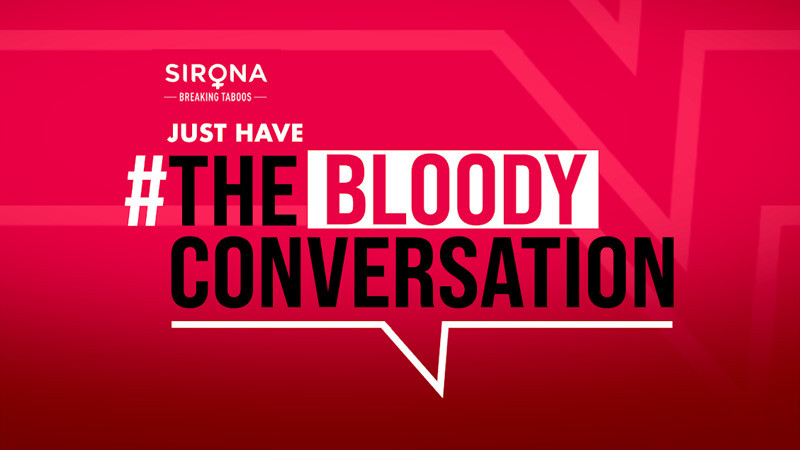
1. Awareness campaigns: Through a variety of campaigns, Sirona Hygiene constantly seeks to change the conversation on menstruation by organizing training sessions with school, college, corporate, underprivileged areas. This Menstrual Hygiene Day (28 May), Sirona encouraged everyone to join “TheBloodyConversation” to normalize periods and break down the taboos around periods especially among men, emphasizing the importance of unfiltered, open dialogue.
2. Leveraging technology: The way we communicate knowledge about menstrual hygiene is being revolutionized by technology. Apps, websites, and social media platforms are now pivotal in educating and connecting menstruating individuals, making crucial information more accessible and fostering supportive communities. Smart menstrual cups and period monitoring apps are just a few of the Technology advancements that are transforming how women handle their menstrual periods.
3. Men as role models & fostering open dialogue: It is important to promote a more informed, empathetic, and equitable society where menstrual health is understood and supported. When it comes to periods, there is often a lack of awareness among men, making it crucial to have open and comfortable conversations about menstrual health. Men can play a significant role as role models in this regard. By openly discussing and supporting menstrual hygiene, men can help break down stigma and promote understanding. This can lead to more empathetic attitudes and behaviors towards women, creating a supportive environment.
4. Promote policy change: Advocacy for inclusive policies that support menstrual health is vital. Policies should ensure access to menstrual products, education, and facilities in public spaces, schools, and workplaces. Policymakers can address the issue of menstrual hygiene through training programs, campaigns and free distribution of Sanitary pads and menstrual cups in both urban (for the underprivileged women) and rural India.
By implementing these strategies, society can make significant strides towards breaking the taboos and promoting menstrual hygiene awareness. Empowering individuals with knowledge and resources leading to healthier, more confident, and equitable communities. Let’s continue to support and advance these efforts to create a future where menstrual hygiene is understood, accepted, and prioritised.
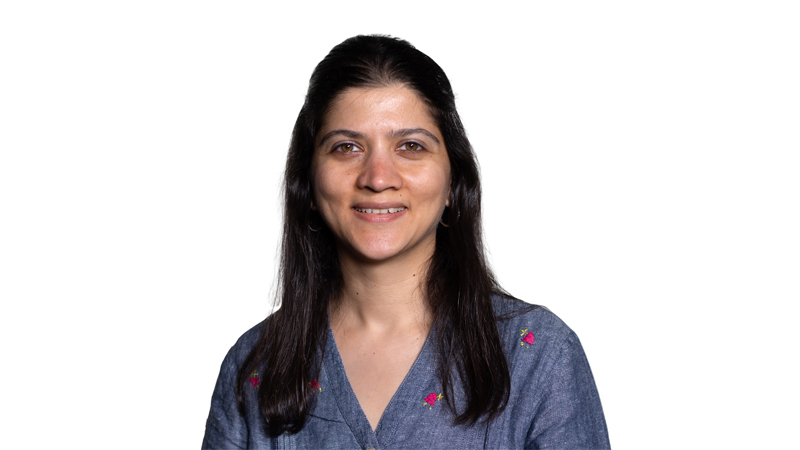
The article has been authored by Sirona Hygiene’s head of marketing Anika Wadhera.

Brands
Tanishq enters natural gemstone segment with Triptii Dimri campaign
Hues collection debuts ahead of Akshaya Tritiya, spotlighting self-expression
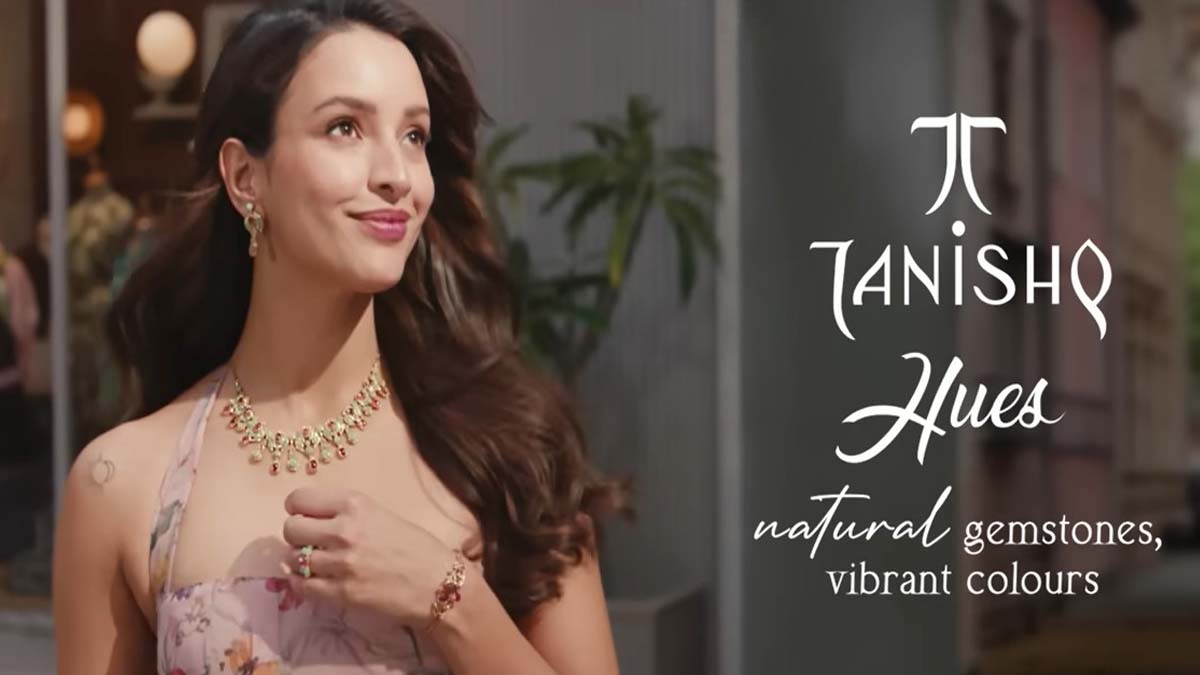
MUMBAI: Tanishq is stepping into the natural gemstone jewellery space with a new campaign featuring actor Triptii Dimri, marking a strategic expansion ahead of Akshaya Tritiya.
The launch introduces the brand’s latest collection, ‘Hues’, a design-led range crafted in 18kt gold and built around 100 percent natural gemstones. The move signals Tanishq’s intent to tap into a fast-growing category driven by consumers seeking authenticity, individuality and expressive styling.
Conceptualised by Lowe Lintas, the campaign film leans into the idea of colour as a form of self-expression. Set in a muted, almost paused world, the narrative comes alive as Dimri selects her jewellery, triggering a burst of colour that transforms her surroundings. The visual metaphor captures how jewellery is evolving from occasion-led adornment to a more personal, mood-driven choice.
The ‘Hues’ collection draws inspiration from the vibrancy of an Indian summer, featuring gemstones such as emeralds, amethysts, citrines, tourmalines and tanzanites. With sculptural forms and techniques like cabochon cuts and layering, the designs aim to bring depth, movement and a contemporary aesthetic to fine jewellery.
Titan Company Limited chief marketing officer Pelki Tshering said, “‘Hues’ marks a bold new chapter as we introduce natural gemstone jewellery in India. The collection reflects the evolving Tanishq woman who is expressive and confident, and seeks jewellery that mirrors her individuality.”
Sharing her perspective, Triptii Dimri said, “What I love about this collection is how it celebrates self-expression through colour. It feels less about occasion and more about expressing who you are in the moment.”
Priced from Rs 30,000, the collection is positioned for both everyday wear and special occasions. To coincide with the festive season, the brand is also rolling out promotional offers, including discounts on making charges and gold rate protection schemes.
With Hues, Tanishq is not just adding a new category but also reshaping how jewellery is worn and perceived, placing personal expression and colour firmly at the centre of its design philosophy.






