Brands
BrandZ launches Top 50 most valuable Indian brands


MUMBAI: Global research agency Millward Brown will announce the BrandZ Top 50 most valuable Indian brands 2014 on 19 August 2014.
Currently in its ninth year, the BrandZ Top 100 most valuable global brands study aims to create a new milestone with the launch of its first Indian edition, BrandZ Top 50 most valuable Indian brands. The rankings will be unveiled on 19 August in the presence of WPP CEO Sir Martin Sorrell and top executives of leading Indian companies.

The study will reveal key insights on trends in the Indian market by WPP companies across India, insights into how brands drive financial growth, the brands with the greatest potential for growth, the elements that have led to successful brand building in India and the way forward for building valuable brands in India. A highlight is the release of the list of top 50 most valuable Indian brands. The study analyses brands across various key business sectors including banking, automotive, telecom, personal and household care, foods, beverages, and insurance.
Millward Brown south Asia managing director Prasun Basu said, “BrandZ is a unique brand valuation methodology that has established a global credibility. This makes the BrandZ Top 50 Most Valuable Indian Brands the definitive and most robust ranking available. BrandZ approach starts with officially available financial information and scientifically attributes the contribution of consumer facing brands to business success, especially important in the context of large corporations, business houses or conglomerate brands. The stronger the relationship that a brand can build with consumers in its category, and is able to leverage those consumer connections, the more sustainable and profitable the brand becomes. Therefore, the Top 50 are reputable, successful engines of financial growth for the future of India”.
Millward Brown chief global analyst Nigel Hollis commented, “The BrandZ Top 100 Most Valuable Global Brands study has given marketers and brand managers deeper insights into their brands. Globally, the BrandZ study covers two million consumers and more than 10,000 different brands in over 30 countries. The Indian edition of BrandZ aims to enable brand owners to evaluate their brands, compare them with competitors around the globe, especially in a world where Indian brands have already demonstrated their ambitions to go global and make better-informed investment decisions. We hope that the study becomes a benchmark reference for brand insights in the market.”
Commissioned by WPP and carried out by Millward Brown, BrandZ valuations rankings are the only global rankings study that uses a unique brand valuation mechanism that combines officially released financial data and consumer-driven brand equity measurement to calculate brand value. The valuation study, which was introduced globally in 2006, in China in 2011 and Latin America in 2012, has seen a huge success and has received an overwhelming response in both markets as well as internationally .



Brands
YES Bank appoints S Anantharaman as chief risk officer
Former Jio Financial Services group chief risk officer takes charge of enterprise-wide risk at the embattled private lender
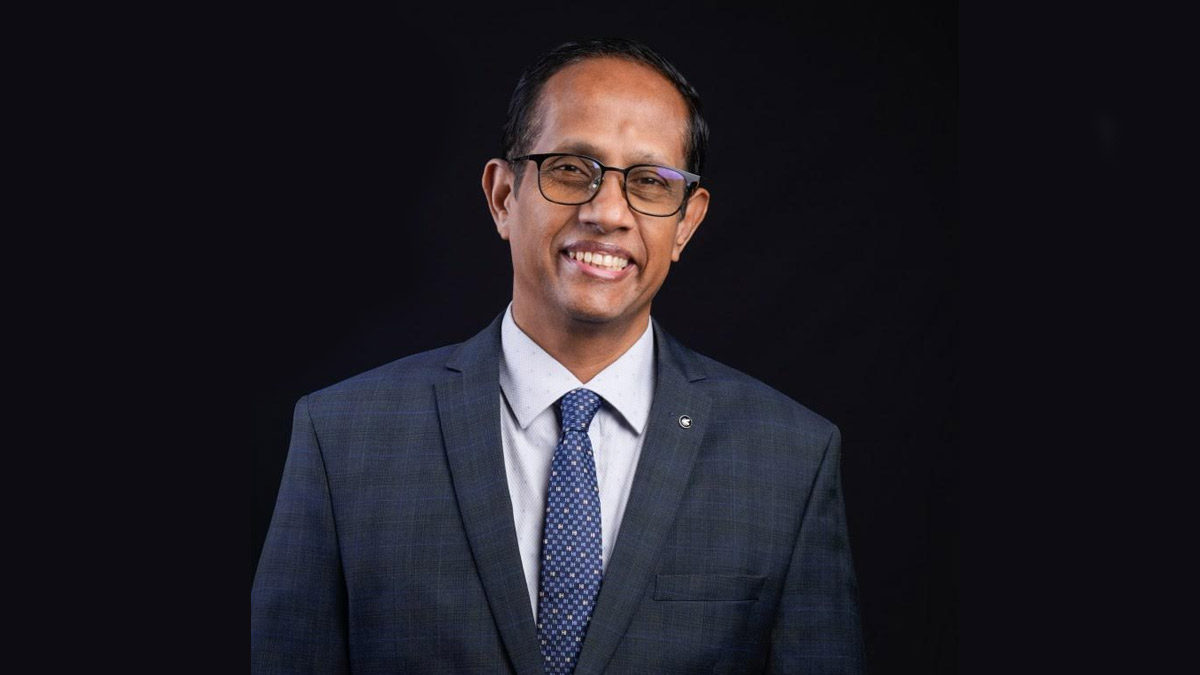
MUMBAI: YES Bank is not taking chances with risk anymore. The private lender has appointed S Anantharaman as its chief risk officer, a hire that signals the bank’s continued effort to rebuild credibility and tighten the controls that once famously slipped.
Anantharaman arrives from Jio Financial Services, where he served as group chief risk officer and built a risk management architecture spanning lending, payments, insurance broking and asset management from the ground up. Before that, he held the chief risk officer role at Bank of Baroda and senior leadership positions at HDFC Bank and L&T Finance Holdings. Three decades in banking and financial services, in other words, with scars and qualifications to match. He is a chartered accountant and a CFA charterholder.
At YES Bank, his brief is considerable. Anantharaman will oversee the bank’s entire enterprise-wide risk framework, covering credit policy, market risk, operational risk, information security, data governance, analytics, model governance and data privacy. It is, in short, every lever that matters when a bank is trying to prove it has grown up.
YES Bank’s turbulent past needs little rehearsing. What it needs now is exactly what Anantharaman has spent thirty years building: the kind of risk culture that stops problems before they become headlines. The appointment suggests the bank knows it.






