MAM
Brands show human side amidst Covid2019 crisis


NEW DELHI: While the Covid2019 pandemic came out as probably the most devastating blow to the business world as well as to the society, it also brought forth a number of heartening stories of human kindness and support. Be it the on-ground coverage that several news reporters are doing or the warm hospitality that the hospital staff and police personnel are showing, or the exceptional support that several social workers and famous personalities have extended to the underprivileged, we saw humanity raising its head high on many occasions. Indiantelevision.com had also covered how the pandemic even brought brands and agency partners closer.
Not just that, many brands rose above their usual business and indulged in great deeds of public service too. Be it ACC Trust spending close to Rs five crore to help the migrant labours and villagers around ACC Cement’s factories or Relaxo and Metro Shoes donating footwear to the large exodus of migrant workers fleeing to home on feet, there have been ample examples of brands extending a helping hand in time of this unprecedented crisis.
Speaking about the varied initiatives that Metro Shoes has taken to support the community, VP–marketing and e-commerce Alisha Malik told Indiantelevision.com, “The pandemic brought the country and the economy to a staggering halt. While it impacted each one of us, the migrant workers were the most affected. Their struggle to meet their basic needs of food, shelter, financial security and reach their homeland was heart-wrenching. We felt that it was important for us to do our bit to support them in the time of crisis and that is how we came up with the Metro Cares Initiative.”

Under the initiative, the brand provided ration kits to daily wagers with the help of Salaam Bombay Foundation and footwear to all those in need on their journey back home with the help of United Way of Mumbai and the Rotary Club. PPE kits to hospitals and masks to policemen were also provided with the help of United Way of Mumbai.
Sanitary napkin brand Pro-ease from the house of RSPL distributed over 10 lakh sanitary pads to frontline warriors managing the crisis.
RSPL director Rohit Gyanchandani shared, “We came across a few news reports and on-ground stories of how sanitary napkins were in short supply and women were facing difficulties due to that. Coupled with that we were also witnessing a phenomenal selfless service from corona warriors of both genders. When we put these two stories together, we as a team wanted to do our bit and came up with the idea of distributing 10 lac pads to women corona warriors free of cost as a small token of appreciation from Pro-ease.”
He added, “In times like these when the whole nation is going through a crisis, I think it’s imperative for everyone to do whatever little they can to help in whichever way possible. Whether you are a citizen or a brand, the fact remains that you ought to do the things you can, to make a difference for the better.”
The brand also launched a powerful campaign #RoktiHoonRuktiNahin created by ADK Fortune to salute these female superheroes.
ADK Fortune VP and ECD Nakul Sharma shared his experience of working on the campaign by saying, “The experience was first of all very humbling. Because the gravity of the fight put up by corona frontline warriors, especially women suddenly hit us in the face.”
Congratulating the brand on taking up this great initiative, he added, “Pro-ease had a solid proposition and decided to be a doer and not just a talker – which frankly makes all the difference in these times. These initiatives give clients a chance to show their human side as well. This epidemic is a time like no other and frankly keeping quiet is not an option. People want to know and hear from their brands and expect them to have a human point of view.”
Malik also highlighted that it is very important for brands to participate in supporting the community in difficult times as she said, “As important as CSR is for the community, it is equally valuable for a company. It is important for brands to stand up for causes that matter. In fact, in such times, it is important that each one of us takes a step towards helping all those in need. We are glad that we had access to resources that could help the migrant workers in their journey back home.”







MAM
Beacon Group appoints Dr Rajesh Patel as Group CEO
36-year healthcare veteran to lead Beacon Diagnostics, Vector Biotek, Biogeny.
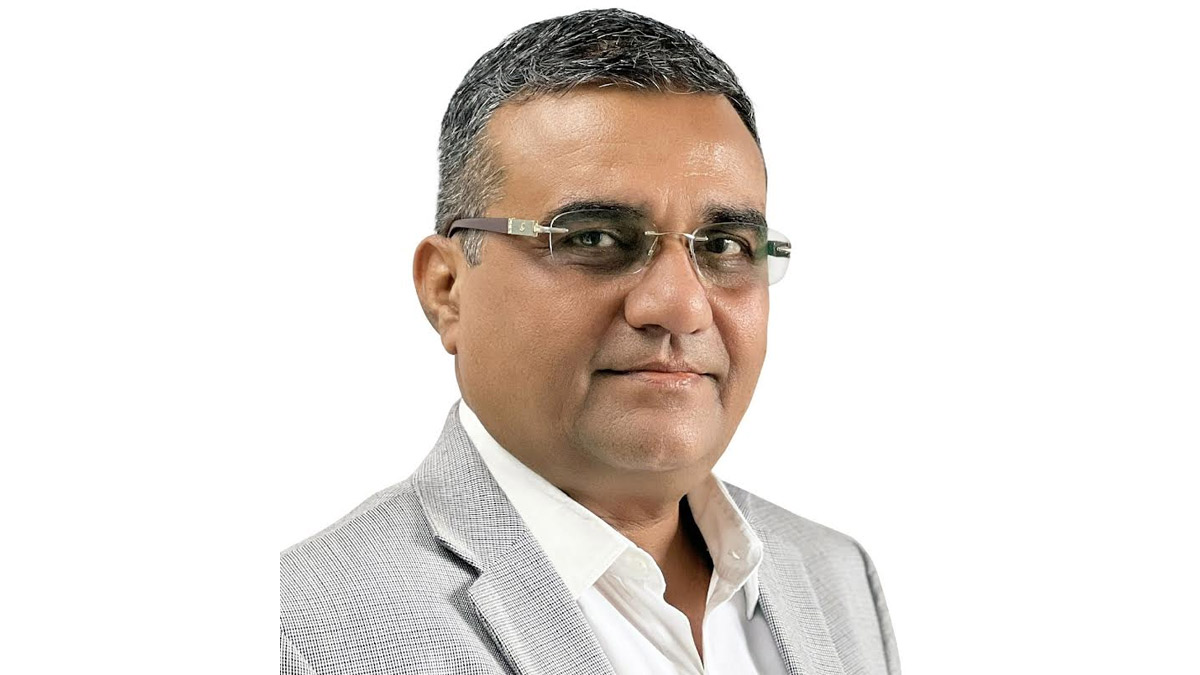
MUMBAI: A new chief, a fresh diagnosis and a sharper prescription for growth. Beacon Group has appointed Dr Rajesh Patel as its Group Chief Executive Officer, effective April 1, 2026, signalling a decisive push to scale its presence in the diagnostics and IVD space. Patel steps into the role with 36 years of experience across the healthcare and diagnostics industry, bringing a career shaped by leadership roles spanning sales, marketing, business development and operational strategy. His mandate is both expansive and precise: to steer the group’s overall strategic direction while tightening coordination across its three core entities Beacon Diagnostics, Vector Biotek and Biogeny Diagnostics.
In practical terms, that means driving cross-company synergies, accelerating market expansion and strengthening organisational capability areas increasingly critical as diagnostic players compete for scale in a fragmented yet rapidly evolving healthcare ecosystem. The group is positioning itself to capture unmet demand across chain laboratories, key accounts and standalone labs, segments that remain underserved despite growing diagnostic needs.
The appointment comes at a time when the In Vitro Diagnostics (IVD) sector in India is entering a more competitive and innovation-led phase, with companies focusing not just on product pipelines but also on service delivery, integration and customer-centric models. Beacon’s leadership appears to be betting that Patel’s execution-focused approach can help translate ambition into operational momentum.
Welcoming the appointment, Chairman Dr D K Joshi described Patel’s induction as a strategic move aligned with the group’s long-term vision, emphasising the role of leadership depth in navigating the next phase of growth.
For Beacon Group, the message is clear, in a sector where precision matters, leadership is the new differentiator—and this appointment is intended to set the tone for what comes next.






