Brands
Brands lag as women drive up to 85 per cent of buying decisions
HerKey–Havas report reveals gap between women’s influence and marketing action

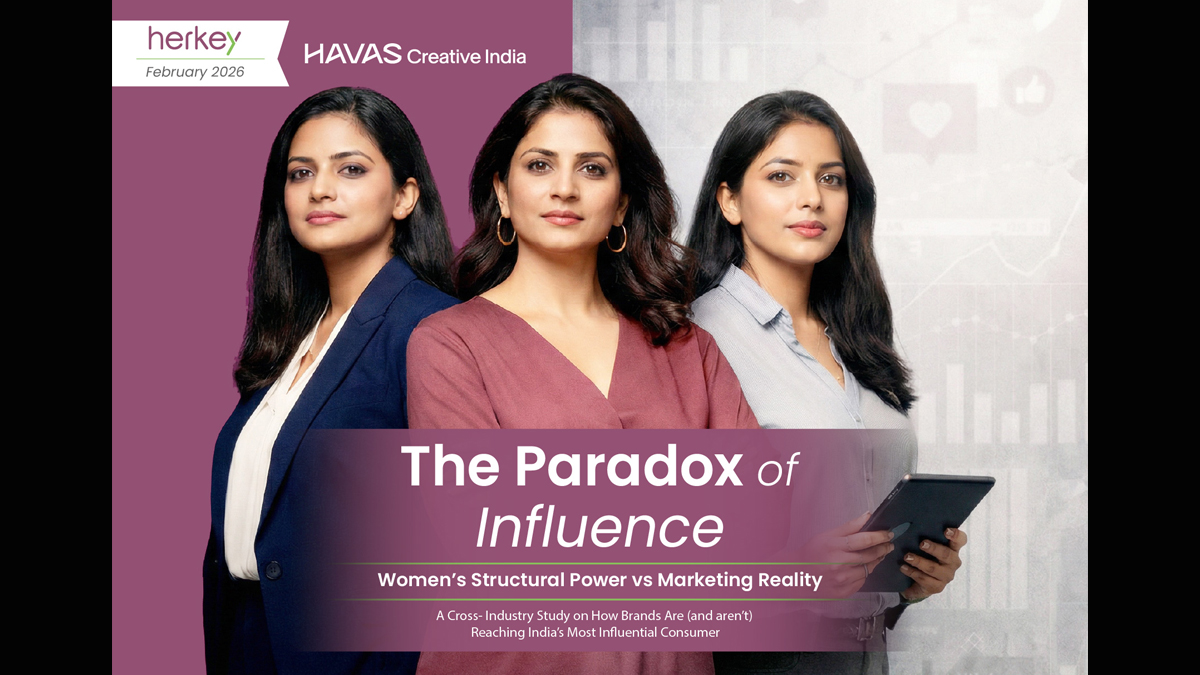
MUMBAI: Women may be steering the shopping cart, but brands are still learning how to keep up. A new report by HerKey in partnership with Havas Creative India finds that while women influence 70–85 per cent of purchase decisions in India, most marketers are yet to translate that clout into meaningful strategy.
Titled The Paradox of Influence: Women’s Structural Power vs Marketing Reality, the study paints a familiar picture with a twist. Marketers recognise women’s growing economic and cultural sway, yet action remains tentative. Nearly 79 per cent of respondents say women’s influence has risen in the past two years, but only 14 per cent consider themselves leaders in women-centric marketing.
The disconnect is most visible in execution. Even in categories traditionally associated with women, such as fashion, personal care and retail, only about half to two-thirds of brands run consistent women-focused campaigns. In sectors like auto, BFSI and real estate, efforts are still sporadic, more test drive than full throttle.

Interestingly, the problem is not a lack of budget but a lack of understanding. The report flags insight gaps, legacy assumptions and limited qualitative research as the biggest barriers. In other words, brands are talking to women without fully listening.
Old habits, too, die hard. Nearly a third of brands continue to portray women primarily as caregivers. While many acknowledge the need for change, concerns around measurement and balancing empowerment with realism often pull them back to familiar tropes.
There are signs of a shift. Marketers are moving away from broad, one-size-fits-all messaging towards deeper engagement. Community-led ecosystems, ai-driven personalisation and regional storytelling are emerging as preferred routes to connect more meaningfully.
The report also calls out the ‘occasion trap’, where brands show up loudly on Women’s Day or Mother’s Day but go quiet the rest of the year. For a consumer group that quietly shapes most buying decisions, that stop-start attention may no longer cut it.
“Women already influence the majority of purchase decisions, yet brand engagement hasn’t evolved at the same pace,” said HerKey founder & CEO Neha Bagaria. She added that deeper insight into women’s motivations could unlock not just better marketing but sustained growth.
Echoing the sentiment, Havas Creative India MD & chief creative officer Anupama Ramaswamy noted that women are no longer just an audience segment but a force shaping entire categories. “Recognition isn’t enough. Brands need stronger cultural connection and real understanding,” she said.
Based on surveys and interviews with senior marketing leaders across industries, the report suggests that the opportunity is clear. Women are not a niche. They are the market. The real question is whether brands are ready to treat them that way.





Brands
ITC Sunfeast Farmlite launches Sugar Free Cookies range
New variants offer guilt-free indulgence for health-conscious snackers.
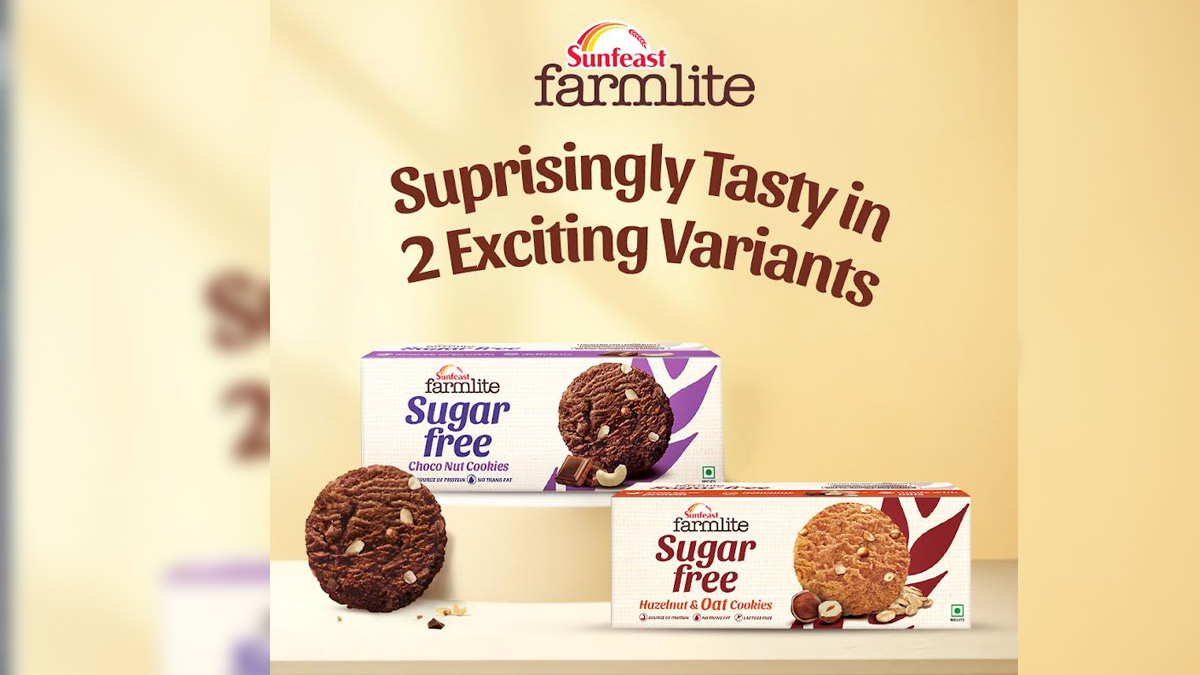
MUMBAI: ITC Sunfeast Farmlite is sweetening the deal for biscuit lovers who want to have their cookie and eat it too without the sugar. The better-for-you biscuits range from ITC Foods has expanded its portfolio with the launch of an all-new Sugar Free Cookies line, aligning with the company’s vision of ‘Help India Eat Better’. The range is designed for consumers who are rethinking sugar in their daily snacking but refuse to compromise on taste and indulgence.
The collection debuts with two tempting variants: Choco Nut Cookies and Hazelnut & Oats Cookies. Both are a source of protein and contain no trans-fat, while the Hazelnut & Oats variant is also lactose-free.
ITC Ltd. vice president (marketing), biscuits, foods division, Suraj Kathuria said, “At Sunfeast Farmlite, we believe mindful snacking should never come at the cost of indulgence. With this launch, we are catering to the growing need for guilt-free snacking while delivering a rich, satisfying cookie experience.”
ITC Ltd. vice president & head of food sciences for foods division Dr Shantanu Das added, “We have applied robust food science to develop cookies that are sugar-free while preserving the taste and texture consumers love.”
Each cookie comes in convenient single-serve packs to maintain texture and freshness. Both variants are available in 100g packs priced at ₹100 and can be found on quick-commerce platforms including Blinkit, Swiggy Instamart, and Zepto.
In a market increasingly leaning towards healthier choices, ITC Sunfeast Farmlite’s new Sugar Free Cookies prove that cutting sugar doesn’t mean cutting joy. For the health-conscious yet indulgent snacker, this could be the perfect bite-sized solution.






