Digital
Branding Edge launches TMI, a new digital content vertical


MUMBAI: Branding Edge has turned the spotlight on clarity with the launch of TMI, a new digital content vertical designed to make sense of two of today’s most complex and influential sectors: capital markets and healthcare.
The initiative marks a fresh push by the strategic communications consultancy to create original, accessible content for retail audiences. The idea is simple but ambitious: explain subjects that shape everyday lives without the jargon, noise or breathless hype.
From stock markets and corporate actions to medicines, regulation and healthcare innovation, information may be everywhere, but understanding often is not. TMI has been created to bridge that gap, using thoughtful storytelling to add context where confusion usually reigns.

The first proprietary content IP under the TMI banner is slated for launch in February and will focus on capital markets from the perspective of the retail investor. Over its first year, the vertical will concentrate on capital markets and healthcare, unpacking how these systems work, why they matter and what shifts within them mean for ordinary participants.
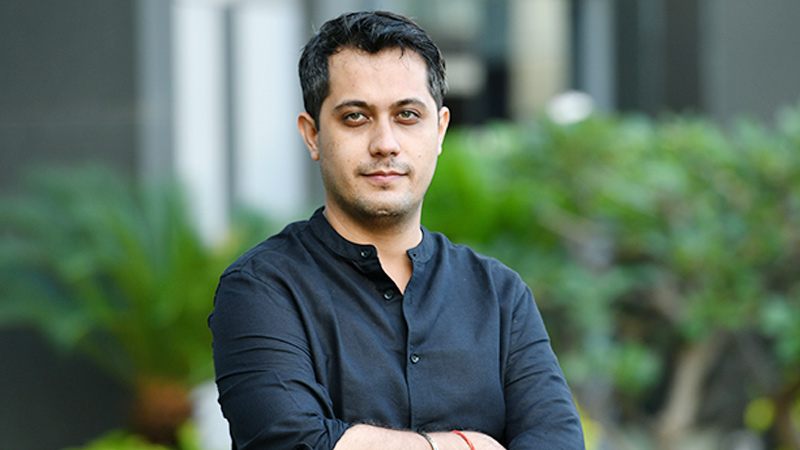
Branding Edge founder and managing partner Rahul Tekwani, said the timing could not be more relevant. “Capital markets and healthcare touch people’s lives more directly than ever, yet both remain difficult to understand for most audiences. Video-led content promised clarity but has increasingly become noise. Our aim is to slow things down, restore context and use digital formats to explain rather than sensationalise.”
True to that intent, TMI will prioritise explainers, conversations and narrative formats built for longevity rather than quick clicks. The focus will be on unpacking headlines, decoding jargon and offering perspective without dumbing things down.
Content will be distributed across a mix of owned digital platforms, podcasts, video formats and select partnerships, chosen to suit each IP and its intended audience.
With TMI, Branding Edge is signalling a broader shift towards content that informs and engages over the long term, using understanding as the hook rather than hype.



Digital
OpenAI’s Stargate lead Peter Hoeschele exits with two senior leaders
Trio behind compute push set to join new startup amid leadership reshuffle
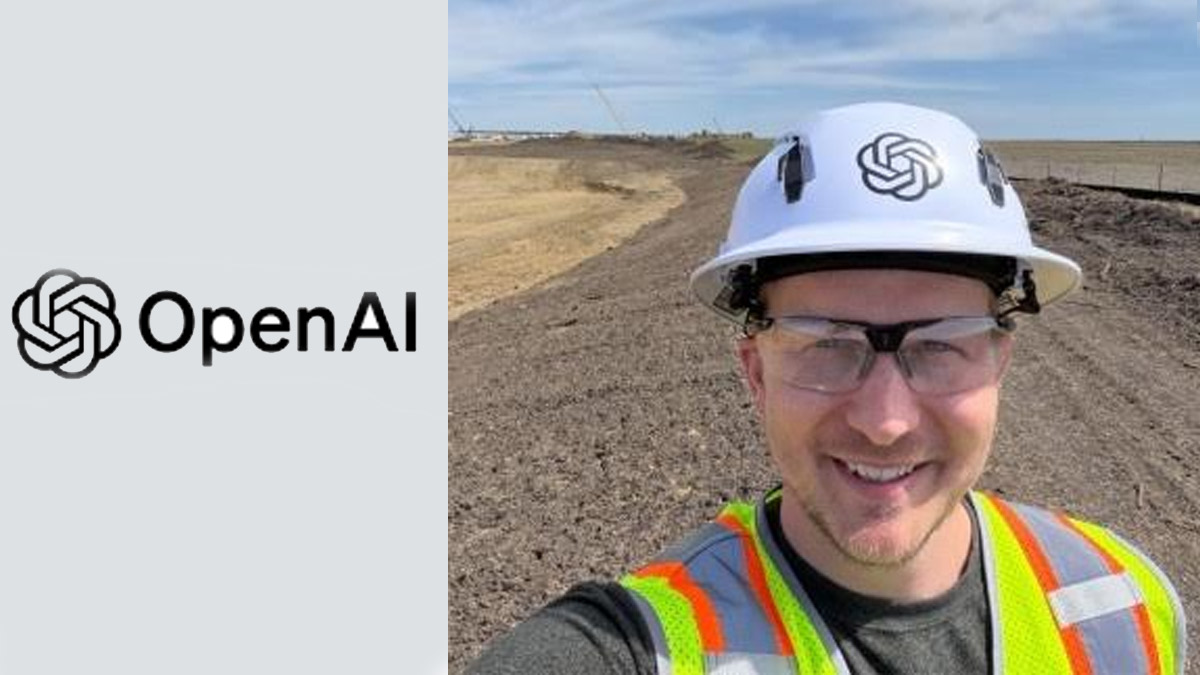
SAN FRANCISCO: Peter Hoeschele, a key figure behind OpenAI’s early Stargate data centre initiative, has exited the company, according to a report by The Information.
The departure is part of a broader leadership shift, with two other senior executives, Shamez Hemani and Anuj Saharan, also set to leave in the coming days. All three are expected to join the same new startup, although details about the venture remain under wraps.
The trio played a central role in OpenAI’s Stargate effort, an initiative aimed at building large-scale data centre capacity in-house to reduce reliance on external infrastructure providers. Their exits mark a notable moment for the company’s compute strategy as it continues to scale rapidly.
OpenAI spokesperson said in a statement to The Information, “We’re grateful for the contributions Peter, Shamez, and Anuj have made to OpenAI and wish them the very best in what comes next.” The company also pointed to the recent appointment of Sachin Katti to lead its industrial compute organisation, signalling continuity in its infrastructure roadmap.
OpenAI has indicated that it does not plan to directly replace Hoeschele’s role, suggesting a possible restructuring of responsibilities within the team.
As competition intensifies in the race to build next-generation AI systems, leadership changes in core infrastructure teams are likely to draw close attention. For now, the spotlight shifts to what this departing trio builds next, and how OpenAI adapts as it scales its ambitions.







