MAM
Brand ‘Gone Mad’ – Kids stories to commercials

BENGALURU: Karishma Lintas has conceptualised the first ever TV commercial for ‘Gone Mad Choco Sticks‘ from Garuda Foods with a new approach to fun foods. Created especially for kids (7-12 years old), Gone Mad Choco Sticks has been launched in Karnataka and Tamil Nadu in the first phase.
The commercial explores the madness in all its endearing expressions as a deep human motivation, the philosophy that drives the brand Gone Mad – it denies order and says ‘break the normal‘. The TVC takes viewers on Murali‘s journey through friendship, love and endearing madness. Murali, the lucky kid, was hand-picked from one of the schools in Bangalore, while Gone Mad was exploring kids‘ creativity to create doodles to be used for packaging and outdoor advertising.
Garuda Foods executive director G V Krishnan said, “We knew we had to be different, as different as the product and not just for the sake of being different. It‘s not just about the output, we wanted to have a completely different way of going about it. We stared right from naming it Gone Mad! It‘s easy to be mad, but what we were looking for is ‘how can we be mad and yet be loved by kids and mothers alike‘. That‘s a trick only kids know, and so we decided to leave it all to them.”

The packaging was designed with doodles by kids. Karishma Lintas creative director Rajesh Ramaswamy elaborated, “We wanted something original that could only belong to Gone Mad. So we went to over 200 kids across all sections of society, and asked them to draw whatever made them happy. That became our raw material for every form of communication – packaging, print, outdoor, and in-shop.”
The agency then decided to go back to the kids for stories that can be made into television commercials. “And now we have some really imaginative stories that we could never ever have thought of! It‘s funny that we do nothing on this brand and let the kids do all the work. And make sure that we keep it as raw as possible, without colouring and killing it with logic,” commented Ramaswamy.
The TVC went on air on 17 March. It was produced by the production house Eeksaurus Productions and directed by E Suresh.



MAM
Tanishq launches ‘Lekhinis’ campaign celebrating modern Telugu woman
Olympic medallist P.V. Sindhu features in new film honouring women who author their own stories.
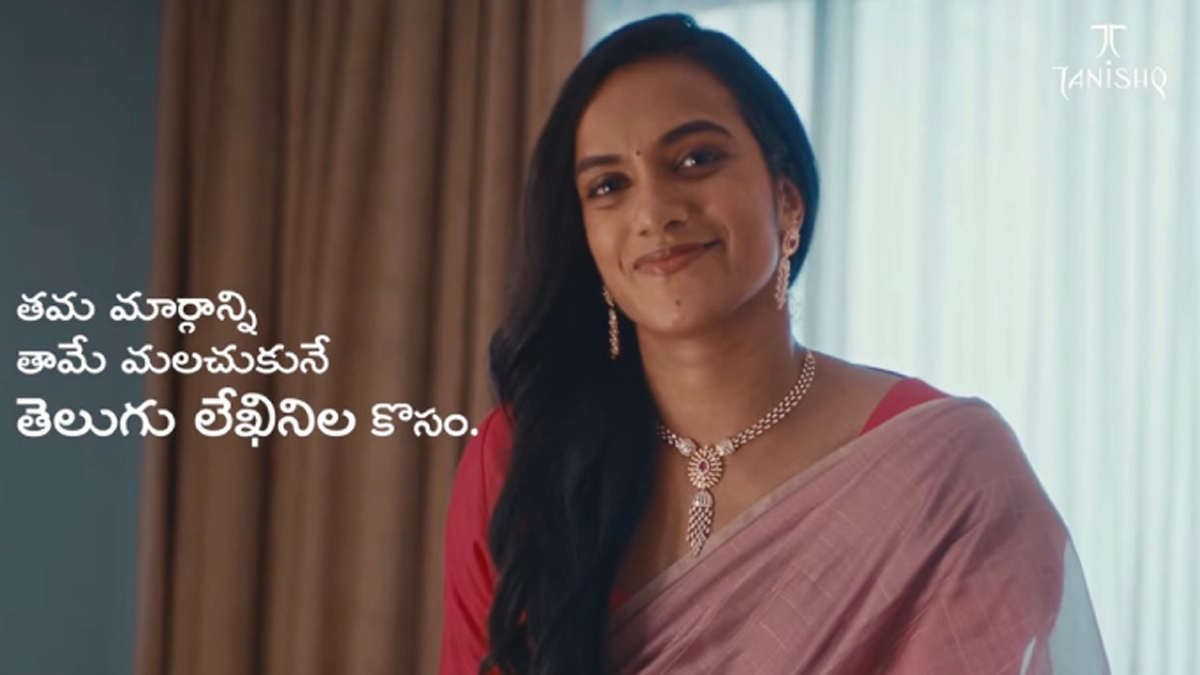
MUMBAI: Tanishq has found the perfect way to sparkle this season by letting the modern Telugu woman write her own glittering chapter. The Titan Company jewellery brand has unveiled its latest campaign, centred on the idea of ‘Lekhinis’ women who are the authors of their own stories. Featuring Olympic medallist P.V. Sindhu as the narrator, the campaign celebrates the evolving identity of women in Telangana and Andhra Pradesh, where modern aspirations blend seamlessly with deep-rooted traditions.
The film captures everyday moments that reflect quiet strength and confident individuality. It portrays women who embrace change while staying grounded in their heritage, reimagining traditions with sensitivity rather than rebellion. Conceptualised by Lowe Lintas, the campaign aims to strengthen Tanishq’s emotional connection with regional audiences by honouring women who shape their identities with authenticity.
Titan Company Limited chief marketing officer of Tanishq Pelki Tshering said the campaign is a tribute to women who remain rooted yet redefine their journeys every day. “She has always been at the heart of everything we do our muse, our inspiration,” she noted. “Through our designs and storytelling, we strive to be a lifelong companion in her journey.”
P.V. Sindhu shared that the campaign resonated with her own life. “What drew me to this campaign with Tanishq is its honest celebration of the modern Telugu woman. The story reminded me of my own journey working hard at what I love, with the support of my family and coaches, and growing stronger every step of the way.”
Akshay Sundher, Director at Lowe Lintas, described the making of the film as a beautiful experience, highlighting the emotional hospital scene, Sindhu’s warmth, and strong teamwork behind the project. The music by Madley Blues forms the soul of the film.
Through this initiative, Tanishq continues its tradition of crafting jewellery that mirrors a woman’s identity, celebrates her milestones, and reflects her cultural pride.
In a world of fast-changing roles and traditions, Tanishq has delivered a campaign that shines not through loud statements, but through quiet, confident storytelling much like the women it celebrates.






