MAM
Bollywood actress Nikita Soni endorses leading PR agency Teamology Softech and Media Services

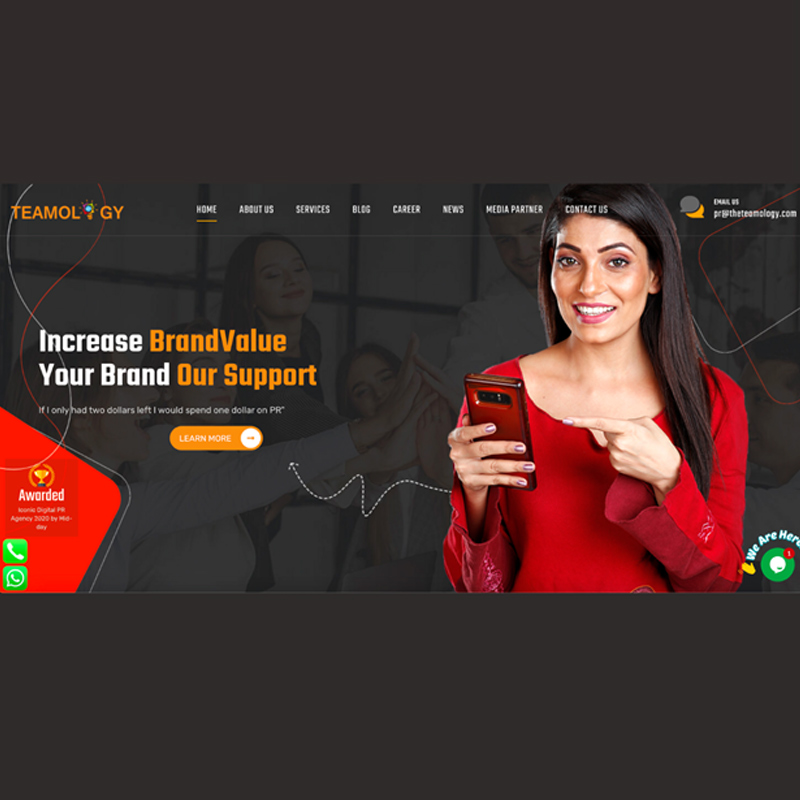
Kolkata: Leading PR and digital marketing agency, Teamology Softech and Media Services Pvt Ltd has become the first name in the PR industry to be endorsed by a Bollywood actress. Bollywood actress and charismatic model Nikita Soni is now the official brand ambassador of Teamology Softech and Media Services Pvt Ltd, Nikita shared a Facebook post where she said, “I personally believe in Teamology Softech and Media Services. Do you know about it”. This statement instantly sparked interest amongst her thousands of followers and speaks of the faith the actress displays in the company.
Teamology Softech and Media Services is a prominent player in the digital PR industry and has grown at an unprecedented pace since its inception in the year 2019. Born during the pandemic, it is the brainchild of founders GulrezAlam and Md Badshah Ansari, having global brand presence and a highly diversified clientele across boundaries. The company has been a forerunner in providing 360 degrees of digital PR and digital marketing solutions to businesses, influencers, actors, social workers, politicians and startups alike to build their brand amongst the most suited audiences.
Bollywood actress Nikita Soni, apart from her enchanting acting and modeling skills is also known for her kindness, altruism and social work which sets her apart. She says in a statement, ” If I had to choose one word to describe Teamology and the team at, “Always.” Always available, always professional, always on time, always budget conscious, always conscientious, and always easy to work with. Teamology helped me from scratch to increase my media and public outreach”

The bollywood actress has more than 400k followers on Facebook and Instagram combined and is growing menacingly as a socially sensitive and scintillating actress. Nikita Soni has oftentimes spoken about the trust, reliability and affordability factor that comes with the multiple brand building services provided by Teamology Softech and Media Services, who, in a very short span has emerged stronger than most of their competition.
Apart from Teamology Softech and media services, no other PR firm had a face from Bollywood backing up their expertise but it was for the tailored solutions provided by the firm along with 24*7 service reliability and around the clock support in managing the outreach and campaigns. The firm is renowned for their press releases management, social media management, publicity management, SEO Services at costs that are the most compatible in the industry.
A digital first company, Teamology Softech and Media company has also ventured into elections management, press conference and movie promotion with a clientele of more than 500 clients till date. With such innovations and collaborations in place, the company is growing as a undisputed leader in its industry.


Brands
Vodafone Idea elevates Vineeth Jayendranath as VP, marketing head Mumbai
Telecom marketer takes charge of Mumbai circle with growth and brand focus
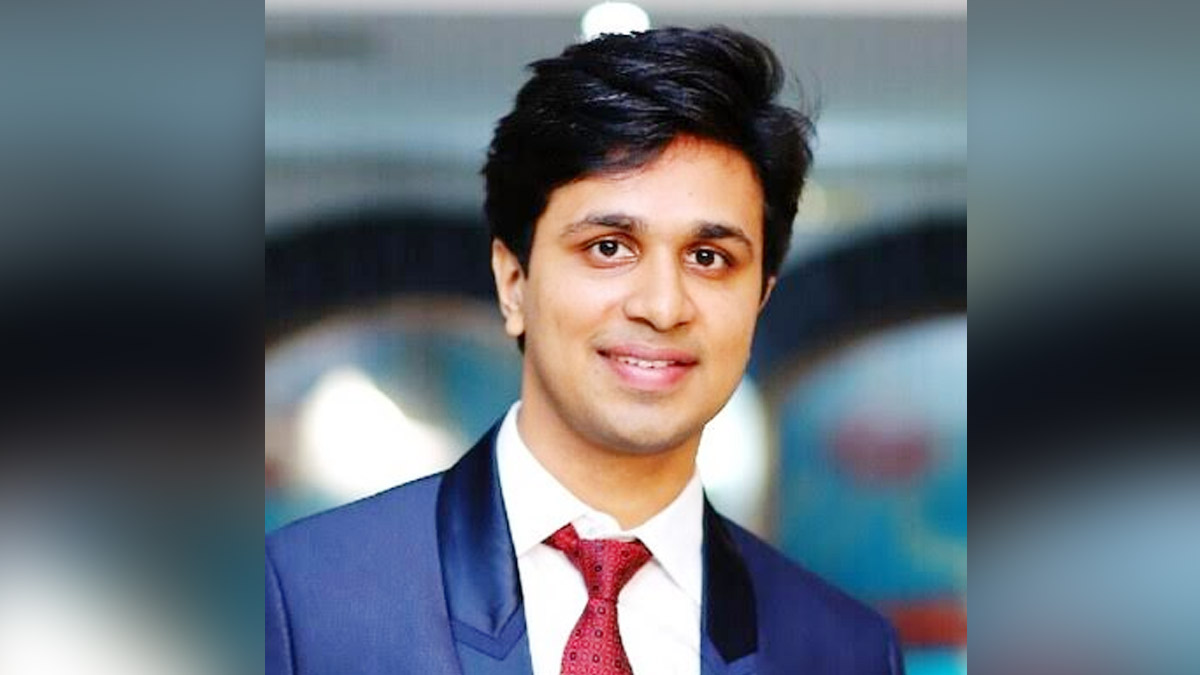
MUMBAI: Vodafone Idea Limited has promoted Vineeth Jayendranath to vice president, marketing head for the Mumbai circle, marking a key milestone in his career as the telecom operator sharpens its regional strategy.
In his new role, Jayendranath will lead marketing efforts across prepaid and postpaid segments in one of the country’s most competitive telecom markets. His mandate includes driving revenue growth, strengthening brand positioning, and deepening customer engagement, while also managing profit and loss responsibilities for the circle.
Sharing the update, Vineeth Jayendranath said, “Excited to share, I am starting my new stint as Vice President, Marketing Head for Mumbai circle at Vodafone Idea Ltd. Would like to thank everyone who has supported me in this journey.”
Jayendranath brings over 12 years of experience spanning telecom and IT, with a strong focus on customer value management and data-led marketing. Since joining Vodafone Idea, he has held multiple leadership roles, most recently serving as general manager leading customer value management and prepaid business across Gujarat, Maharashtra and Goa.
During this period, he handled large subscriber bases and multi-billion rupee revenue portfolios, while rolling out hyper-personalised campaigns and a “segment of one” strategy to improve customer retention and upgrades. He also championed a digital-first approach, pushing adoption of data services and unlimited plans through targeted, insight-driven initiatives.
Earlier, he worked with Idea Cellular Ltd in strategy and business intelligence roles, and began his career at Infosys as a systems engineer. A brief stint at Hyundai Motor India Ltd during his internship added early exposure to marketing strategy.
An alumnus of SVKM’s Narsee Monjee Institute of Management Studies, Jayendranath has steadily built a reputation for combining analytics with marketing execution.
His elevation comes as telecom players double down on circle-level strategies to stay competitive, and Vodafone Idea appears to be betting on data-backed marketing to keep Mumbai firmly in its corner.







