MAM
Birla Sun Life Insurance appoints Taproot India as its creative agency


MUMBAI: Birla Sun Life Insurance (BSLI), the insurance arm of Aditya Birla Financial Services Group, announced the appointment of Taproot India as it creative partner.
Birla Sun Life Insurance had invited four agencies to share their strategy and creative recommendations, namely, McCann Erickson, JWT India, Taproot India and Scarecrow. The incumbent agency is JWT India and has partnered BSLI for over five years.
Speaking on the appointment, Aditya Birla Group CMO financial services Ajay Kakar said, “Today, the Life insurance industry is at an inflection point in India. There is an opportunity for us to redefine the role that this industry can play in the life of mass India. At Birla Sun Life Insurance, we remain committed to our chosen strategy to provoke mass India to self-realise the importance of life insurance in their lives, as a source of certainty in a rather uncertain world. With Taproot India, we have found an agency that not only guide and partner with us in the creative expression of our brand, but more importantly, also help us strategise for the way forward.”

Taproot India co-founder and chief creative officer Agnello Dias said, “Birla Sun Life insurance, as a brand, is very passionate about its business and operates with great clarity, sharp insights and a strong point of view. As its communication partner, we look forward to making the brand even more relevant to consumers than it is.”
 |
|---|
“Birla Sun Life Insurance has done some brave work in the past in the insurance category. It is seen as a leader and we are very excited to work with the brand. Birla Sun Life insurance will also add a different dimension to the Taproot portfolio,” said Taproot India co-founder and chief creative officer Santosh Padhi.
“Despite the presence of many players in this category, a strong brand with a clear agenda will always have the opportunity to create interesting brand conversations. We are more than delighted to partner Birla Sun Life Insurance in its journey ahead,” added Taproot India CEO Umesh Shrikhande.




MAM
Ameya Velankar steps down as Uber’s head of marketing for India & South Asia
Veteran marketer exits after more than seven years with the ride-hailing giant.
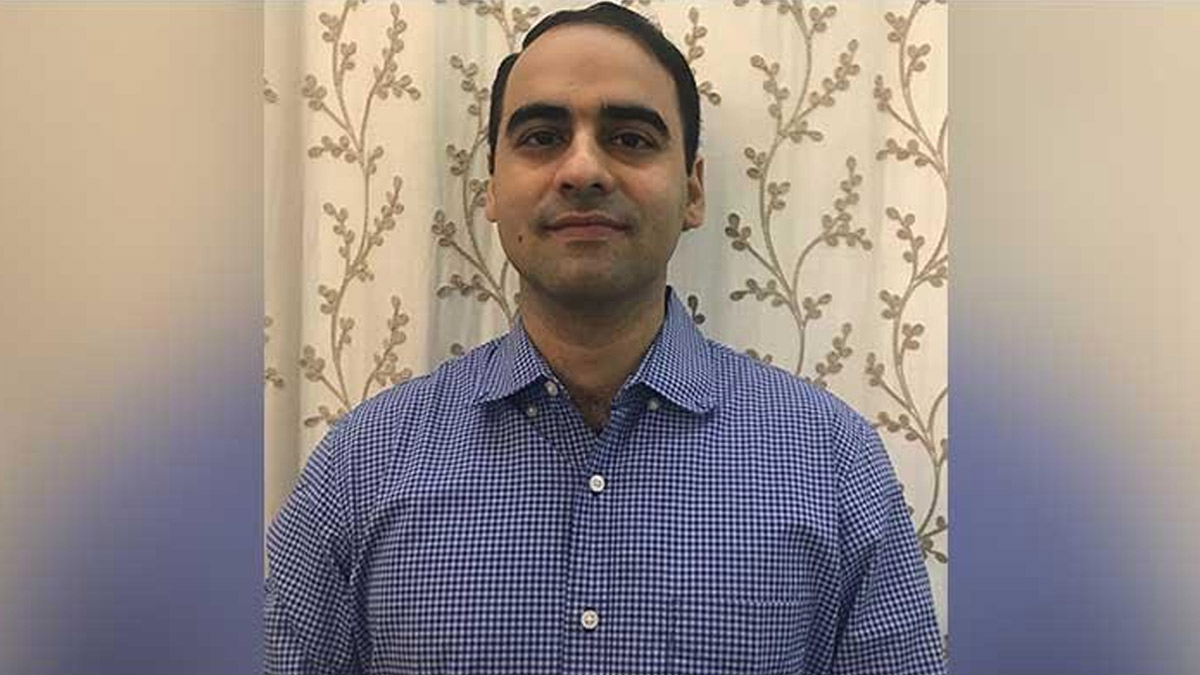
MUMBAI: After more than seven years of steering Uber through the bumpy roads of India’s mobility market, Ameya Velankar has decided to change lanes. Ameya Velankar has stepped down as Head of Marketing for India and South Asia, marking the end of a significant chapter at the ride-hailing company. He had been with Uber since 2019, taking on multiple roles in product and category marketing before rising to lead the marketing function for the region in 2021.
During his tenure, Velankar played a key role in strengthening Uber’s positioning in one of its most competitive and dynamic markets. He helped drive localised marketing strategies and scale adoption across key offerings such as Auto, Moto, Rentals and Intercity, tailoring global platforms to Indian consumer needs.
Prior to joining Uber, Velankar built his marketing expertise at leading consumer companies including SC Johnson and Marico, where he handled category and product leadership roles. His career began at RPG Enterprises.
Details of his next professional move have not been disclosed.
In a fast-evolving mobility landscape where brands constantly battle for attention, Ameya Velankar helped Uber stay relevant and resonant with millions of Indian users. As he moves on from the driver’s seat of marketing, the company will now look for fresh ideas to keep its wheels turning smoothly.






