MAM
Bigg Boss 4 ends on a high note with 6.7 TVR


MUMBAI: Colors’ controversial reality show Bigg Boss has completed its fourth edition with a viewer response that may propel the channel to soon come out with yet another fresh season.
As per Tam data, the grand finale of the show on 8 January not only fetched a whopping 6.7 TVR for over three hours of telecast time but also surpassed the ratings of all recent reality shows like Rahul Dulhaniya Le Jayega (Imagine TV), KBC (Sony), DID –Li’l Masters (Zee TV) and MasterChef (Star Plus).
 |
Commenting on the success of Bigg Boss, Colors programming head Ashvini Yardi said, “We are ecstatic that Bigg Boss Season 4 finale has garnered a fabulous rating of 6.7, which is the highest ever rating marked for any reality show in the year 2010-11.”
Colors has aired three seasons of Bigg Boss, and with every season it has seen a jump in the ratings, be it opening, weekday or weekend.

Tam data states that the recently concluded season with Salman Khan as host scored a TVR of 4.8 TVR. This is higher than season two‘s opening TVR of 2.5 (this is first season on Colors, hosted by Shilpa Shetty) and season three‘s (with Amitabh Bachchan as a host) TVR of 4.6.
In fact, the finale of the three seasons has also seen a gradual progress – from 2.8 TVR (season two) to 3.6 TVR (season three) and finally 6.7 TVR.
 |
“Season 4 has been received well by the audience right from its first episode. We are humbled by the viewers amazing response. This is indeed a very big motivation for us to push the envelope further and gear up for the next season with yet another set of interesting elements,” Yardi added.
As per Tam data for different demographics, Bigg Boss finale attracted higher SEC (AB) as the segment clocked 8.1 TVR, while lower SEC (C/D/E) notched up 5.6 TVR. 
While among female audiences the rating stood at 7.8, the show got a TVR of 5.9 from male audiences.







MAM
Beacon Group appoints Dr Rajesh Patel as Group CEO
36-year healthcare veteran to lead Beacon Diagnostics, Vector Biotek, Biogeny.
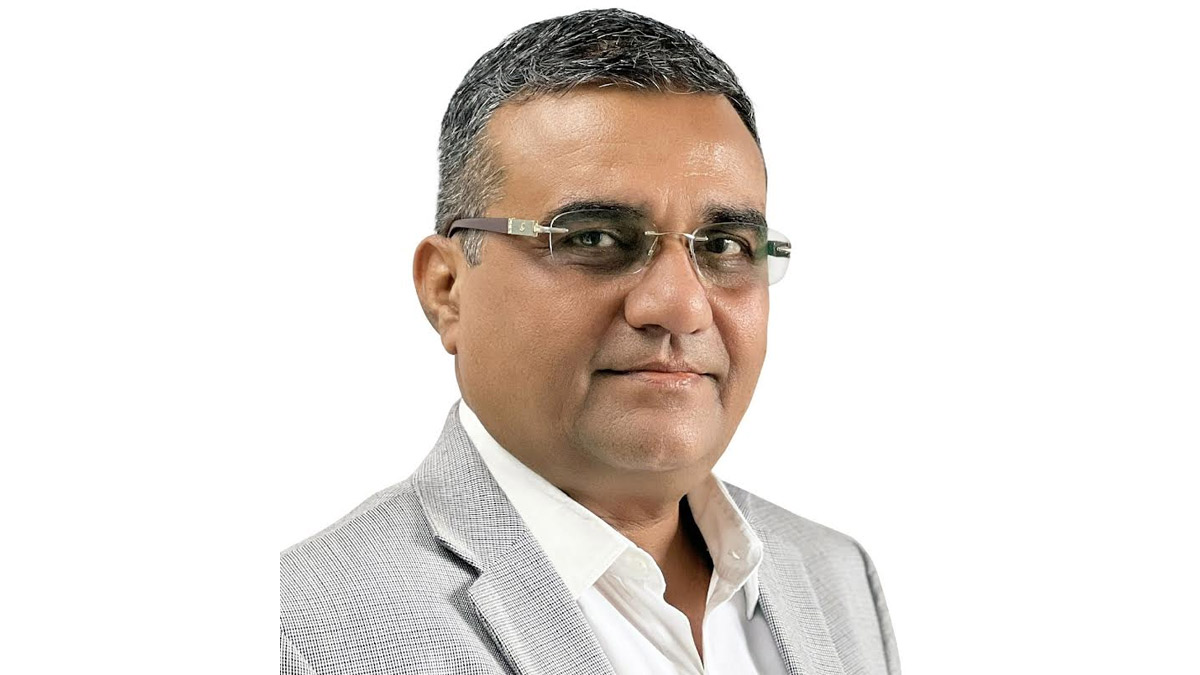
MUMBAI: A new chief, a fresh diagnosis and a sharper prescription for growth. Beacon Group has appointed Dr Rajesh Patel as its Group Chief Executive Officer, effective April 1, 2026, signalling a decisive push to scale its presence in the diagnostics and IVD space. Patel steps into the role with 36 years of experience across the healthcare and diagnostics industry, bringing a career shaped by leadership roles spanning sales, marketing, business development and operational strategy. His mandate is both expansive and precise: to steer the group’s overall strategic direction while tightening coordination across its three core entities Beacon Diagnostics, Vector Biotek and Biogeny Diagnostics.
In practical terms, that means driving cross-company synergies, accelerating market expansion and strengthening organisational capability areas increasingly critical as diagnostic players compete for scale in a fragmented yet rapidly evolving healthcare ecosystem. The group is positioning itself to capture unmet demand across chain laboratories, key accounts and standalone labs, segments that remain underserved despite growing diagnostic needs.
The appointment comes at a time when the In Vitro Diagnostics (IVD) sector in India is entering a more competitive and innovation-led phase, with companies focusing not just on product pipelines but also on service delivery, integration and customer-centric models. Beacon’s leadership appears to be betting that Patel’s execution-focused approach can help translate ambition into operational momentum.
Welcoming the appointment, Chairman Dr D K Joshi described Patel’s induction as a strategic move aligned with the group’s long-term vision, emphasising the role of leadership depth in navigating the next phase of growth.
For Beacon Group, the message is clear, in a sector where precision matters, leadership is the new differentiator—and this appointment is intended to set the tone for what comes next.






