MAM
BharatPe co-founder Ashneer Grover resigns as MD and CEO

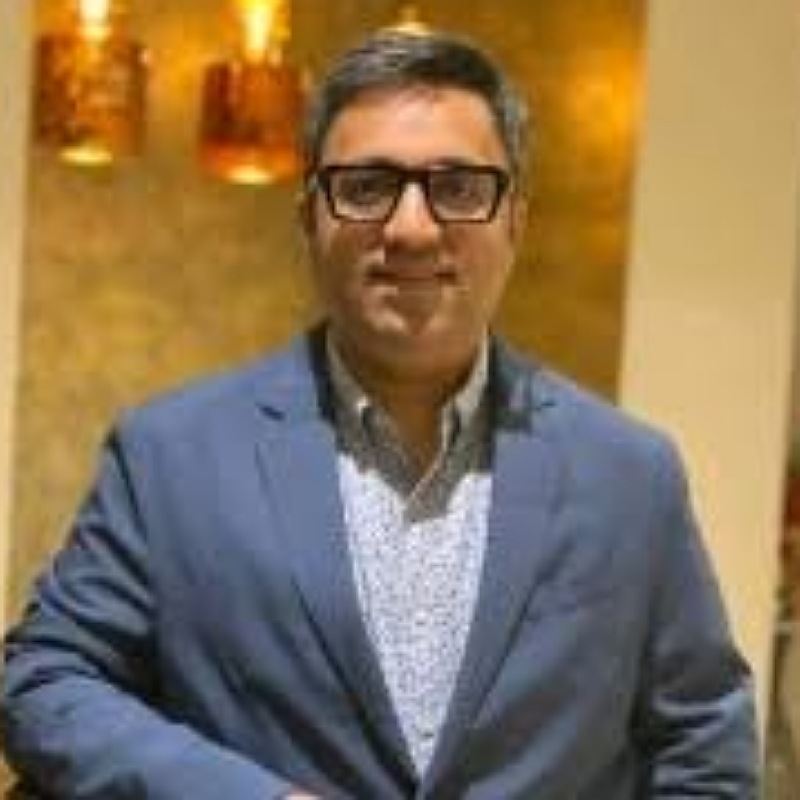
Mumbai: Ashneer Grover, the co-founder of financial technology firm BaharatPe has resigned from the company’s board as managing director and chief executive officer on Tuesday.
In his resignation letter, Grover said that he was forced to resign from the company by its investors.
Grover, in his resignation letter, wrote, “I am being forced to bid adieu to a company of which I am a founder. I say with my head held high today this company stands as a leader in the fintech world. Since the beginning of 2022, unfortunately I have been embroiled in baseless and targeted attacks on me and my family by a few individuals who are ready not only to harm me and my reputation but also harm the reputation of the company, which ostensibly they are trying to protect.”

“From being celebrated as the face of Indian entrepreneurship and an inspiration to the Indian youth to build their own businesses, I am now wasting myself fighting a long, lonely battle against my own investors and management. Unfortunately, in this battle, the management has lost of what is actually at stake – BharatPe,” he added in his letter.
Grover’s resignation came a few days after he lost an arbitration that he had filed against the company’s investigation against him, with an emergency arbitrator held that there was no ground to stop governance review at the firm.
Earlier in January, Grover went on a two-month leave of absence following allegations of using abusive language against Kotak Mahindra Bank staff and fraudulent practices, had filed an arbitration plea with the Singapore International Arbitration Centre (SIAC) claiming the company’s investigation against him was illegal.
Last week, Madhuri Jain Grover, the former operations head of BharatPe and wife of Grover was fired from the company.






Brands
Kingfisher signs three-year IPL partnership
Packaged water brand signs on as ‘good times partner’ for 2026–28 cycle
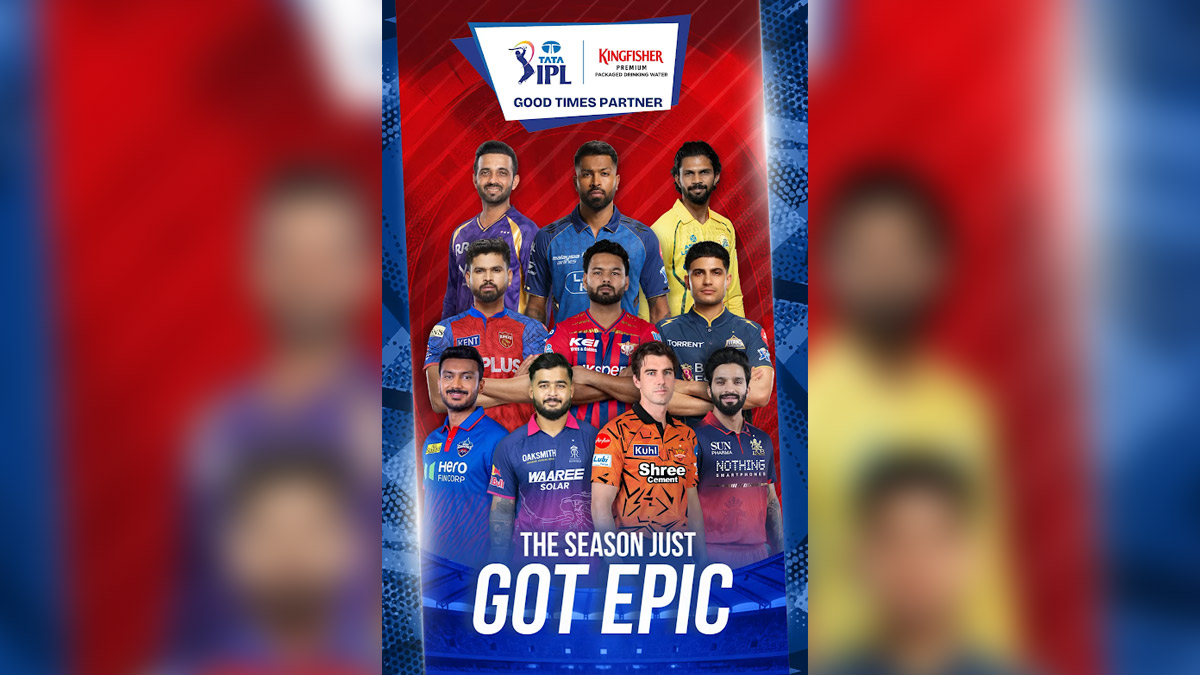
MUMBAI: Kingfisher Premium Packaged Drinking Water is betting big on cricket’s biggest stage, sealing a three-year partnership with the Board of Control for Cricket in India to sharpen fan engagement at the TATA Indian Premier League.
The brand, owned by United Breweries, will serve as the official “good times partner” for the men’s IPL from 2026 to 2028, extending a relationship that began with the Women’s Premier League. The move signals a broader push to embed itself deeper into live sport, with a focus on immersive, consumer-led experiences rather than conventional sponsorship visibility.
At the heart of the tie-up is a suite of fan-first activations spanning broadcast, stadiums and digital channels. These include the “Kingfisher Bird Cam”, offering a branded spider-cam perspective during live matches, and the “Good Times Zone”, an in-stadium entertainment hub during play-offs aimed at amplifying match-day buzz. The brand will also back IPL fan parks, elevate public screening experiences and run digital contests tied to key moments through the season.
Vikram Bahl, chief marketing officer, United Breweries, said cricket in India “is more than a sport, it is a shared cultural moment”, adding that the IPL brings that energy alive at scale. “For Kingfisher Premium Packaged Drinking Water, being present at the heart of these moments, in partnership with the BCCI, is a natural extension of what we stand for. Through this association, we aim to enrich how fans experience the game… making every match more immersive, social and memorable,” Bahl said.
Devajit Saikia, honorary secretary, BCCI, said the IPL “has always been at the forefront of redefining sports entertainment and fan engagement”. He added that the collaboration would fuse cricket fandom with “innovative fan experiences that extend beyond the stadium”, helping create memorable moments for audiences nationwide.
For United Breweries, part of the HEINEKEN group, the play is clear: move from passive branding to active participation in the fan journey—on screens, in stands and across social spaces. With millions tuning in and turning up each season, the IPL remains the country’s most potent marketing theatre. The question now is whether “good times” can translate into lasting brand recall in a market where visibility is easy, but engagement is hard-won.








