Digital Agencies
BharatBox & Dimo partner to boost brand experiences via digital IP

Mumbai: BharatBox, an India-focused metaverse venture between The Sandbox and Brinc, has partnered with Dimo Studios, a company well-known for its cutting-edge innovations in the Web3 IP space. This collaboration aims to help brands, celebrities, and sports personalities engage with their audiences and create new revenue streams in India and globally.
India has become the largest supplier of content creators for The Sandbox, with over 66,000 developers contributing to the platform, surpassing the U.S. and Brazil. BharatBox plans to reach one million users in India within two years, targeting the entertainment, Web3, and gaming sectors.
Dimo Studio manages over 20 intellectual properties and is expanding its portfolio. Through this partnership, the two companies will bring selected IPs together, leveraging BharatBox’s market expertise and Dimo Studio’s technology.

The metaverse, a concept evolving for nearly a century, has shifted from science fiction to a real opportunity. User-generated, 3D multiplayer environments have become a cultural phenomenon dominated by immersive experiences.
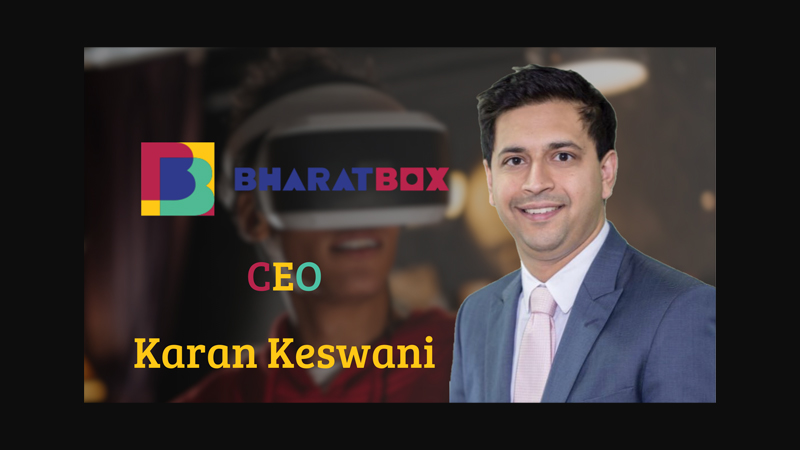
“The pandemic accelerated the world’s migration to these digital realms, forever changing how we interact with technology. As people sought new ways to connect, the metaverse emerged as a beacon of opportunity. Our partnership with Dimo Studios will allow us to harness this momentum, integrating the power of Web3 to create richer, more engaging experiences for brands and their audiences.” stated BharatBox CEO Karan Keswani.
The metaverse has evolved significantly since 2021. The integration of AI, advancements in computer graphics, the rise of XR devices, and ongoing developments in blockchain and Web3 indicate that the metaverse is not just a trend but a critical evolution of the Internet. It offers a three-dimensional, immersive network of virtual worlds that will change how we live, work, and play. Despite skepticism from some media and investors, the metaverse remains a priority for industry leaders, as evidenced by the increased number of filings with the US Securities and Exchange Commission referencing the metaverse, highlighting its growing significance in corporate strategy.
Dimo Studio co-founder and CEO Bhavesh Thakkar stated on the occasion, “The metaverse is not just a buzzword; it is the next iteration of the internet—a 3D version that is more immersive, interactive, and integrated than anything we’ve seen before. Our partnership with BharatBox positions us at the forefront of this transformation, ready to lead brands and IPs into this new digital frontier.”
Combining BharatBox’s market expertise in India with Dimo Studio’s technology and IP portfolio, this partnership will deliver Web3 solutions that help brands transition into the metaverse. This includes developing NFTs, metaverse experiences, and digital gaming rights to enhance brand engagement and create new revenue streams. BharatBox and Dimo are focused on innovation to stay ahead in the industry, aiming to shape the future of digital engagement.


BENGALURU: For years, creative teams have learned to live with ambiguity. Vague comments, last-minute changes, feedback that arrives without context, clarity, or conviction. It became part of the job – something teams worked around rather than getting it solved.
But as we head into 2026, that tolerance is wearing thin.
Creative work today moves faster, scales wider, and involves more stakeholders than before. Teams are producing more content across more formats, often with distributed collaborators and tighter timelines. In this environment, guesswork is no longer a harmless inconvenience. It’s a cost – to time, to budgets, and to creative mindspace.
The real problem isn’t feedback, it’s how it’s given
Most creative professionals you see today will tell you they’re not against feedback. In fact, they rely on it. Good feedback sharpens ideas, strengthens execution, and pushes work forward. The problem is ‘unclear’ feedback. When someone says “this doesn’t feel right” without context, they aren’t just revising – they’re basically decoding. They’re guessing what the problem might be, trying different directions, and burning time in the process. Multiply that by a few stakeholders and a few rounds, and suddenly days disappear.
In 2026, when teams are expected to deliver faster without compromising quality, interpretation is a luxury most can’t afford.
Scale has changed rverything
Creative projects used to be smaller and simpler. A designer, a manager, maybe one client contact. Feedback loops were short, even if they weren’t perfect.
Today, the same project might involve internal marketing teams, agencies, freelancers, brand reviewers, and regional teams. Everyone has a say. Everyone leaves comments. And often, those comments don’t agree. More people reviewing work means alignment matters more than ever. Clear feedback isn’t just about being nice to creative teams, it’s about keeping projects moving when complexity increases.
Guesswork quietly wears teams down
One of the less talked-about impacts of unclear feedback is what it does to people.
When feedback is vague or contradictory, creatives second-guess their decisions. They hesitate. They overwork. They keep extra time buffers “just in case.” Over time, confidence drops. Ownership fades. Work becomes safer, not stronger. Creative energy gets spent on managing uncertainty instead of pushing ideas forward. And in an industry already grappling with burnout, unclear feedback adds unnecessary mental load.
Actionable feedback is a shared skill
Clear feedback doesn’t mean controlling creative decisions or dictating every detail. It means being specific enough that someone knows what to do next.
Actionable feedback answers three basic questions:
What exactly needs attention?
Why does it matter?
What outcome are we aiming for?
This applies whether you’re reviewing a video frame, a design layout, or a copy draft. The clearer the feedback, the fewer follow-ups it creates. In 2026, teams that treat feedback as a skill and not an afterthought, will move faster with less friction.
Tools shape behaviour (whether we admit it or not)
The way feedback is delivered is often dictated by the tools teams use. Comments buried in long email threads, messages split across chat apps, or notes detached from the actual work all contribute to confusion.
When feedback lives outside the work, context often gets lost. When it’s disconnected from versions and timelines, decisions get questioned. When it’s scattered, accountability disappears. More teams are starting to realise that feedback problems aren’t just communication issues, they’re workflow issues. How work moves between people matters just as much as the work itself.
From Opinions To Alignment
One of the biggest shifts happening in creative teams is a move away from purely opinion-driven feedback. Instead of “I like this” or “I don’t,” teams are asking better questions:
● Does this meet the brief?
● Does this solve the problem?
● Does this align with the goal?
This change reduces unnecessary back-and-forth and helps feedback feel less personal and more productive. It also makes decisions easier to explain and defend. As creative work becomes more strategic, feedback has to support that shift.
2026 Is About Fewer Loops, Not Faster Loops
There’s a misconception that speed means moving through feedback cycles faster. In reality, the most creative teams aren’t just accelerating loops, they’re reducing them. Clear, actionable feedback upfront leads to fewer revisions later. Clear approval stages prevent last-minute surprises. Clear decisions stop work from circling endlessly.
In 2026, efficiency won’t come from working harder or longer. It will come from designing workflows that respect creative time and attention.
Ending guesswork is a mindset change
Ultimately, ending creative guesswork isn’t just about better tools or processes. It’s about mindset. It’s about recognising that clarity is an act of respect – for the work, for the people doing it, for the time invested and for the mindspace used. It’s about moving from “figure it out” to “here’s what we’re aiming for.”
Creative teams that embrace this shift will find themselves not only delivering faster, but also enjoying the process more. And in an industry built on imagination, that might be the most valuable outcome of all.








