MAM
BBLUNT encourages consumers to embrace their hair with #GrowOutChallenge

MUMBAI: The current situation has led consumers to try varied things and hone new skills, courtesy the Internet. One such trend that has been doing the rounds is consumers looking at DIY haircut tips while some of them are also trying to give themselves a cut at home. Witnessing a spike in haircuts going wrong, BBLUNT recently launched a nationwide campaign to help Indians groom their overgrown hair by undertaking the Grow Out Challenge. The initiative encourages consumers to refrain from cutting their hair at home while imparts knowledge on how to use the wide range of styling and care products to keep one’s mane looking neat.
With the Grow Out Challenge, BBLUNT aims to ensure consumers don’t have any hair mishaps at home and also reduce stress that usually comes along with cutting one’s own hair. This crusade is supported by hair maestros and Bollywood’s ace stylists, Adhuna Bhabani and Avan Contractor, who have shared tips on how to maintain the length. Managing overgrown hair especially in humid, hot and harsh weather is no easy feat, which is why the experts will be also teaching users how to successfully take care of their hair using BBLUNT products that are specially curated for Indian hair, weather and water. Growing ones hair out also provides a beautiful canvas for hairstylists to work on, once the lockdown ends and salons re-open safely. The extra length also empowers consumers to try new looks and styles, embracing a refreshing change.
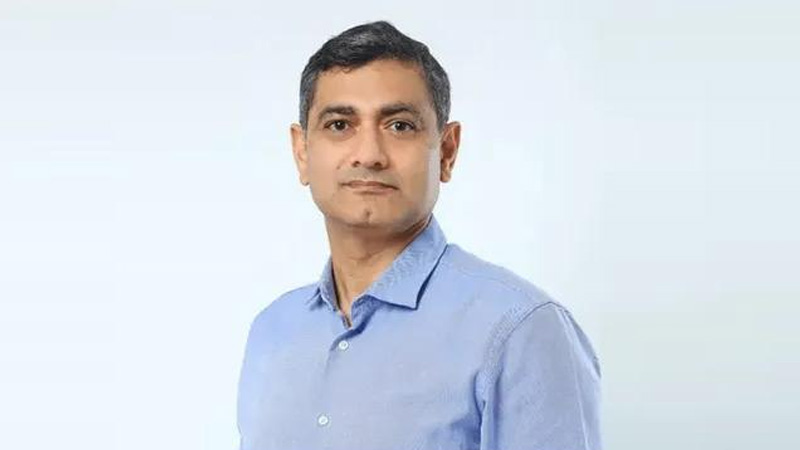
Speaking on the campaign, Godrej Consumer Products Ltd head – innovation and BBLUNT Anirban Banerjee said, “Currently the country is going through unprecedented times and we at BBLUNT are in complete solidarity with our frontline forces who are tirelessly working to keep us safe. This campaign undertaken by the brand is a small effort to inspire consumers at home, helping them get creative with their hair. Owing to salons being shut, patrons look forward to expertise in guiding them on how to manage their hair at home and this is an endeavor of doing exactly that. Adhuna and Avan, together have really helped us effectively solve consumer concerns and provide them with easy at home haircare solutions.”

The campaign which is an extension of Jay Mahmood, a hairdresser in California’s initiative will also give a chance to consumers to interact with the Founders of the brand and get haircare and hair styling tips directly from the maestros.
Dwelling into the insight for this campaign, Schbang founder Harshil Karia stated, "The rise in search volumes around DIY Haircuts was an opportunity – and instead of the most obvious thing to do i.e. teach people how to cut their hair at home, we went against the grain and asked them to grow their hair out! It’s a terribly exciting campaign because the advertising is 'home made', our Salon Stylists are using BBLUNT products and creating homemade haircare routines which consumers can easily emulate and we're doing some exciting stuff on live QnA using Adhuna and Avan – consumers don't often get access to stalwarts such as themselves for their hair care consultations and this I think therefore becomes a great opportunity for consumers as well!"
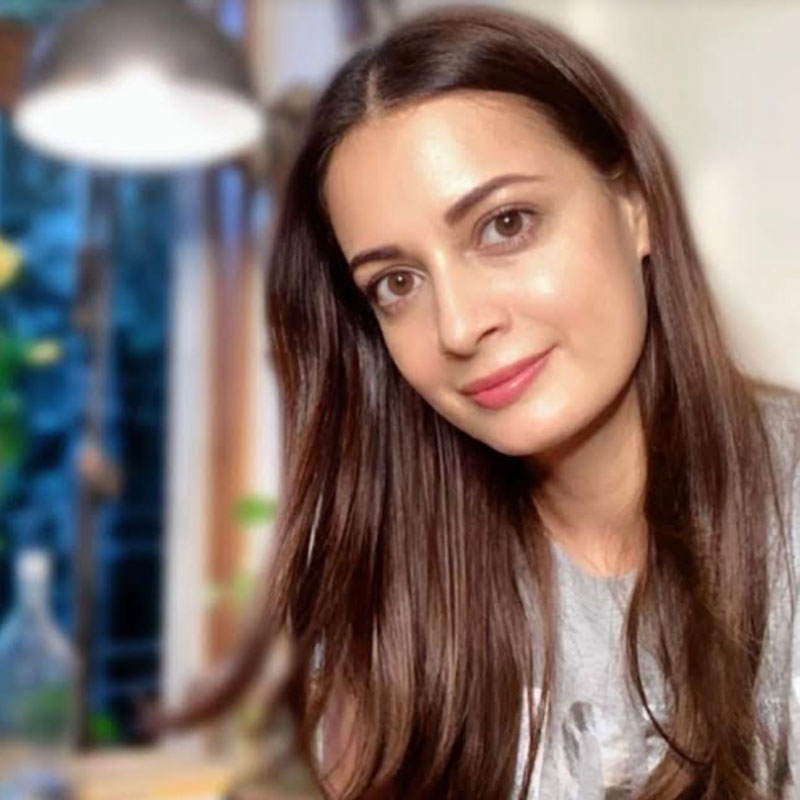
Top celebrities like Dia Mirza, Mrunal Thakur, Tara Sharma Saluja have joined the challenge along with industry insiders, Nandini Shrikent, Ruchi Narain and Natasha Nischol who are all set to grow out their mane. The influencer community have also hopped on the bandwagon with leading bloggers like Shalini Samuel, Anushka Mulchandani and Shanaya Sardesai, taking over BBLUNT’s Instagram handle to share hair tips. In the initial stage, the campaign has been well received by consumers and the brand hopes to constantly keep innovating to make this a successful movement.




MAM
Ameya Velankar steps down as Uber’s head of marketing for India & South Asia
Veteran marketer exits after more than seven years with the ride-hailing giant.
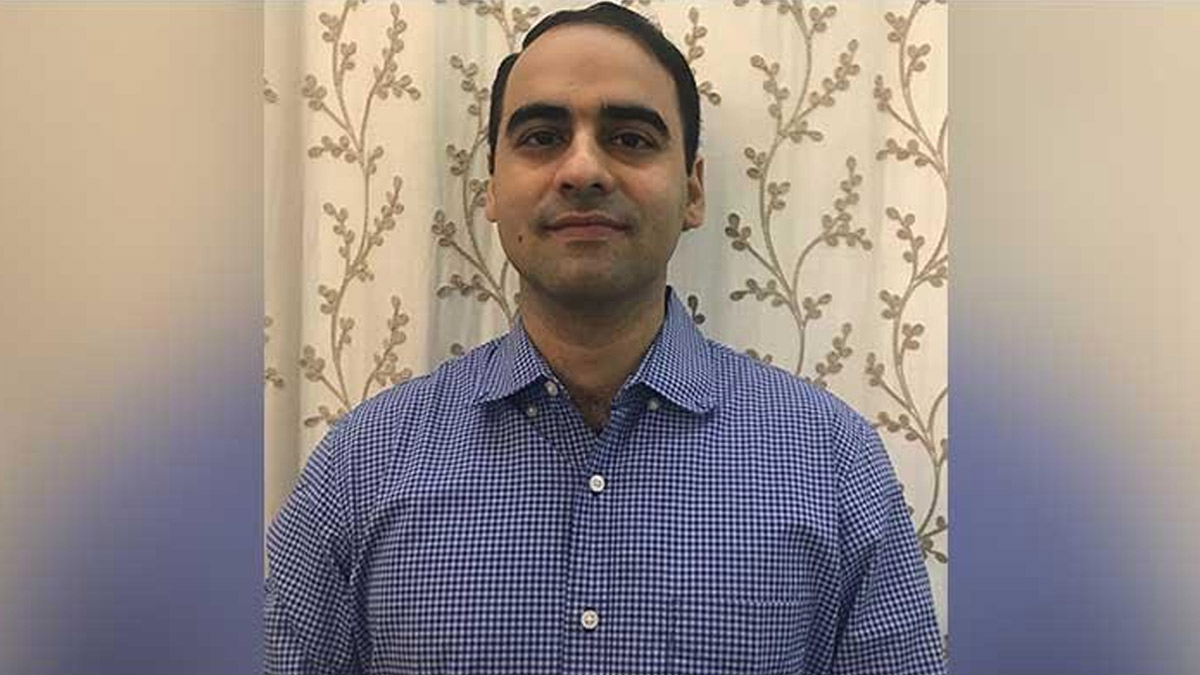
MUMBAI: After more than seven years of steering Uber through the bumpy roads of India’s mobility market, Ameya Velankar has decided to change lanes. Ameya Velankar has stepped down as Head of Marketing for India and South Asia, marking the end of a significant chapter at the ride-hailing company. He had been with Uber since 2019, taking on multiple roles in product and category marketing before rising to lead the marketing function for the region in 2021.
During his tenure, Velankar played a key role in strengthening Uber’s positioning in one of its most competitive and dynamic markets. He helped drive localised marketing strategies and scale adoption across key offerings such as Auto, Moto, Rentals and Intercity, tailoring global platforms to Indian consumer needs.
Prior to joining Uber, Velankar built his marketing expertise at leading consumer companies including SC Johnson and Marico, where he handled category and product leadership roles. His career began at RPG Enterprises.
Details of his next professional move have not been disclosed.
In a fast-evolving mobility landscape where brands constantly battle for attention, Ameya Velankar helped Uber stay relevant and resonant with millions of Indian users. As he moves on from the driver’s seat of marketing, the company will now look for fresh ideas to keep its wheels turning smoothly.






