MAM
BBC launches its first marketing campaign across Afghanistan

MUMBAI: BBC World Service has launched its first marketing campaign in Afghanistan, promoting its Pashto and Dari language broadcasts on FM across the country
The ongoing two-month campaign promotes the ever-increasing BBC FM network in the country’s six major cities: Ghazni, Herat, Jalalabad, Kabul, Kandahar and Mazar-e-Sharif.
Working with a leading Kabul-based full service agency, Aina-Darya Communications, World Service has developed a highly visible bi-lingual Pashto and Dari campaign promoting BBC FM availability on billboards, TV, radio and print ads.

BBC World Service controller, marketing, communications and audiences Alan Booth says, “This is our first ever advertising campaign in Afghanistan. As the country’s market continues to develop, we are keen to consolidate our position in its modern media scene. A recent survey in the rural and urban areas of five provinces of Afghanistan suggested that the BBC is one of the most popular international broadcasters there, with our programmes in Pashto, Dari and other languages reaching almost 70 per cent of the population.”
World Service has 17 FM frequencies in key towns across Afghanistan, including Kabul 89.0FM and 101.6FM (in Dari and Pashto), Mazar-e-Sharif 89.0FM (Dari), Jalalabad 89.0FM (Pashto), Herat 89.2FM (Dari), Kandahar 90.0FM (Pashto) and Ghazni 88.3FM (Pashto).
BBC programming is also re-broadcast via partnerships with two local media providers, Internews and Equal Access. World Service has been broadcasting to Afghanistan for many decades, providing programming in Pashto and Dari, now supplemented by a daily Uzbek programme.
In addition to news and current affairs programmes keeping listeners informed of the latest developments in Afghanistan, the region and the rest of the world, the BBC also offers thought-provoking discussions and audience interactivity on regional and Afghan domestic topics.
The BBC programmes regularly feature newsmakers from its Kabul studios, involving them in call-in programmes. The BBC also offers its audiences in Afghanistan entertainment and feature shows.






MAM
Beacon Group appoints Dr Rajesh Patel as Group CEO
36-year healthcare veteran to lead Beacon Diagnostics, Vector Biotek, Biogeny.
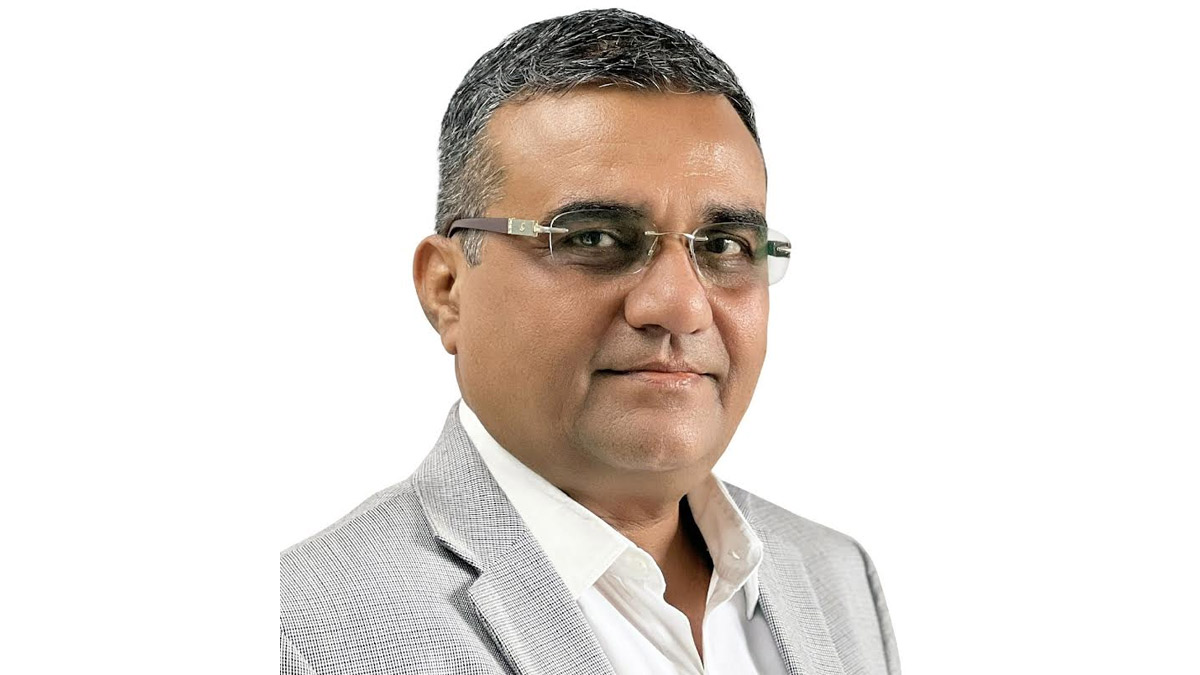
MUMBAI: A new chief, a fresh diagnosis and a sharper prescription for growth. Beacon Group has appointed Dr Rajesh Patel as its Group Chief Executive Officer, effective April 1, 2026, signalling a decisive push to scale its presence in the diagnostics and IVD space. Patel steps into the role with 36 years of experience across the healthcare and diagnostics industry, bringing a career shaped by leadership roles spanning sales, marketing, business development and operational strategy. His mandate is both expansive and precise: to steer the group’s overall strategic direction while tightening coordination across its three core entities Beacon Diagnostics, Vector Biotek and Biogeny Diagnostics.
In practical terms, that means driving cross-company synergies, accelerating market expansion and strengthening organisational capability areas increasingly critical as diagnostic players compete for scale in a fragmented yet rapidly evolving healthcare ecosystem. The group is positioning itself to capture unmet demand across chain laboratories, key accounts and standalone labs, segments that remain underserved despite growing diagnostic needs.
The appointment comes at a time when the In Vitro Diagnostics (IVD) sector in India is entering a more competitive and innovation-led phase, with companies focusing not just on product pipelines but also on service delivery, integration and customer-centric models. Beacon’s leadership appears to be betting that Patel’s execution-focused approach can help translate ambition into operational momentum.
Welcoming the appointment, Chairman Dr D K Joshi described Patel’s induction as a strategic move aligned with the group’s long-term vision, emphasising the role of leadership depth in navigating the next phase of growth.
For Beacon Group, the message is clear, in a sector where precision matters, leadership is the new differentiator—and this appointment is intended to set the tone for what comes next.






