Brands
Bajaj Auto launches e-rickshaw Riki, aiming to reset last-mile mobility

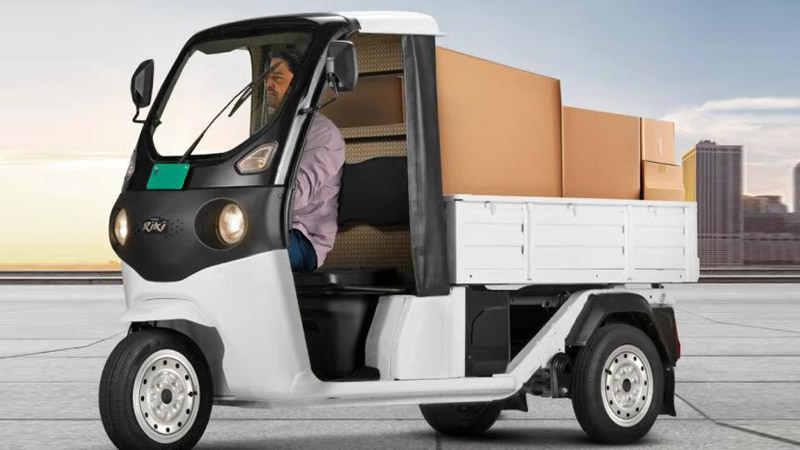
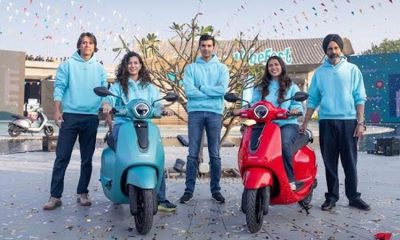
MUMBAI: Bajaj Auto has entered the electric rickshaw market with Riki, marking its most aggressive push yet into last-mile mobility. The world’s most valuable two- and three-wheeler maker claims the new line will raise standards in a category long plagued by unreliable range, weak chassis, poor braking and patchy service networks.
The segment has boomed since Covid, adding more than 45,000 vehicles every month as demand for cheap, last-mile transport grows across India’s commuter belts. Yet most offerings remain unorganised, often leaving drivers with low uptime, spiralling maintenance and compromised safety.
Bajaj says Riki is engineered to correct that reputation. The first model in the P40 passenger series, the Riki P4005, offers a certified 149 km range, a monocoque chassis, independent suspension, hydraulic brakes and fast charging in 4.5 hours. It is priced at Rs 1,90,890 (ex-showroom).

The cargo variant, the Riki C4005, delivers the category’s highest certified range at 164 km, a larger tray and 28 per cent gradability, pitched as a booster for driver earnings. It is priced at Rs 2,00,876 (ex-showroom).
Piloted in Patna, Moradabad, Guwahati and Raipur, Riki now rolls out to more than 100 towns across UP, Bihar, MP, Chhattisgarh and Assam.
“Riki brings Bajaj Auto’s trusted 3W engineering into the electric segment at a time when drivers and passengers need dependable solutions,” said Bajaj Auto intra-city business unit president Samardeep Subandh. “It is engineered to lift driver earnings, improve comfort and make last-mile mobility more reliable.”





Brands
Wow! Momo launches Indian Momo League with city-themed cricket menu
Colourful, region-inspired momos turn match-time snacking into fan play
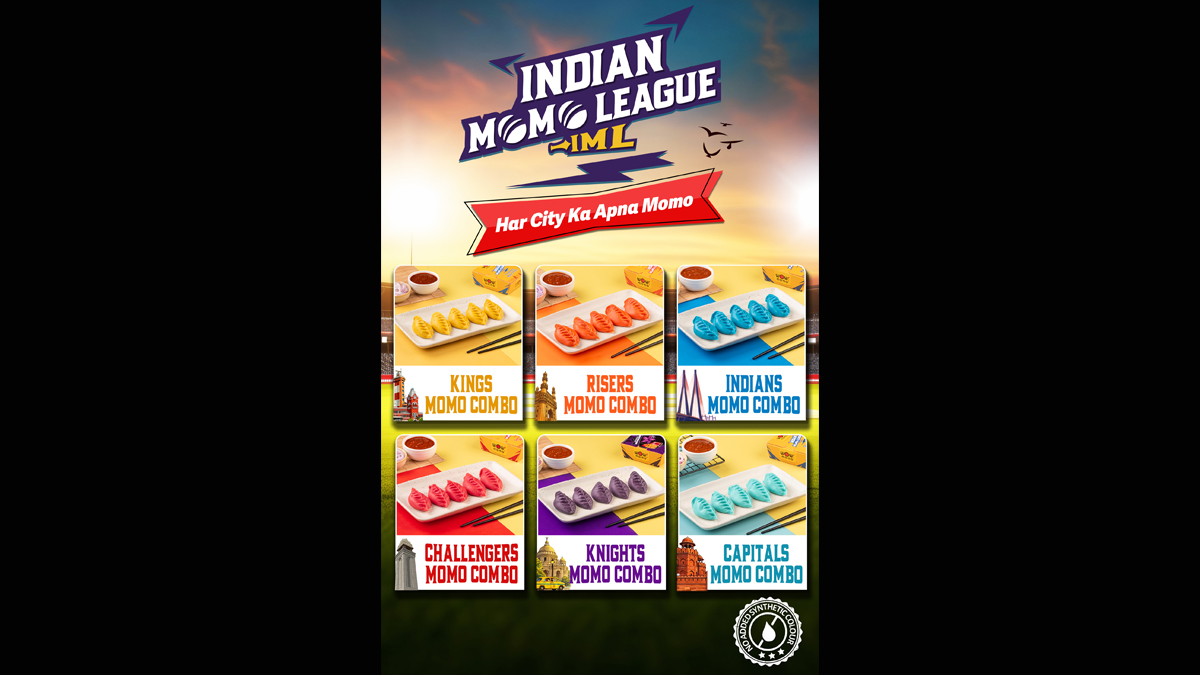
MUMBAI: Wow! Momo is serving up a fresh spin on cricket fandom this season with the launch of the Indian Momo League, a campaign that turns match-time snacking into a city-led celebration.
Timed alongside the ongoing Indian Premier League, the initiative introduces six city-inspired momo variants, each reflecting the flavour and personality of Kolkata, Chennai, Mumbai, Delhi, Bangalore and Hyderabad. Built around the idea “Har city ka apna momo”, the range uses natural colours and skips synthetic additives, giving fans a vibrant, edible way to back their teams.
From bold reds to electric blues, the momos are designed to stand out both on the plate and on social media feeds. The visual appeal is deliberate, turning everyday snacking into something shareable, playful and distinctly local.
To deepen the experience, the brand has rolled out IML Combos that bundle momos with fries and beverages, creating an easy, match-ready option for viewers at home or gatherings with friends. The campaign also adds a reward layer, with customers ordering these combos getting a chance to win match tickets, linking the living room to the stadium.
Adding to the competitive spirit, a live Momo Scoreboard tracks orders in real time across cities, allowing fans to see how their city is performing beyond the cricket field. The feature introduces a light-hearted rivalry, driven not by runs and wickets, but by bites and orders.
Speaking about the campaign, Wow! Momo Foods Pvt. Ltd. co-founder and CMO Muralikrishnan said, “With Indian Momo League, we wanted to make fandom more participative and personal. ‘Har city ka apna momo’ is our way of celebrating how every city experiences the matches differently, and bringing that emotion into something as simple and joyful as food.”
The campaign is being amplified through city-focused creatives, creator collaborations, in-store activations and real-time digital content, ensuring it stays closely tied to ongoing match conversations throughout the season.
With the Indian Momo League, Wow! Momo blends food, fandom and friendly rivalry into a format that feels both timely and distinctly Indian, proving that during cricket season, even snacks can take centre stage.