MAM
Bacardi India announces Radhika Tomar as director of human resources India (INDSEA)

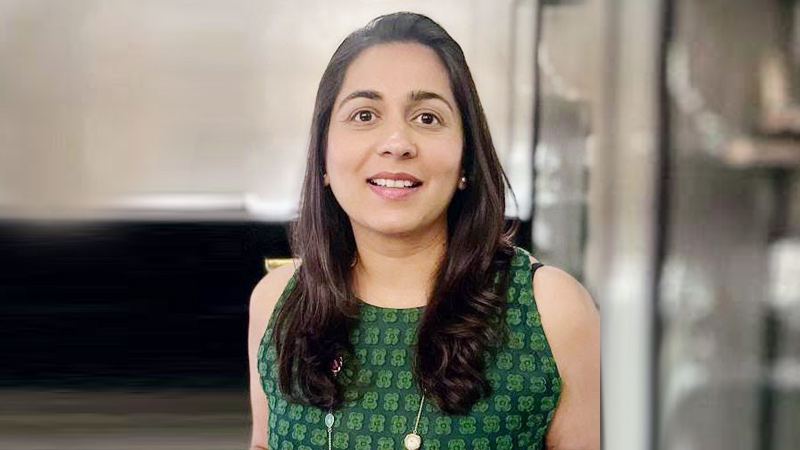
Mumbai: Bacardi India Pvt Ltd, part of the held spirits company, has appointed Radhika Tomar as director of human resources – Bacardi India (INDSEA). With 18 years of global HR leadership spanning FMCG, consulting, technology, and consumer durables, Radhika brings the experience of fostering inclusive cultures and enhancing organizational capabilities.
Radhika’s transformative leadership at Bacardi India follows extensive international experience across diverse industries. Before joining Bacardi, she served as HR Director – India and Global Talent Activation Director at Kimberly Clark, championing inclusion and equity across the company’s Asia Pacific division, leading global talent programs, and enhancing divisional capabilities. Before Kimberly Clark, Radhika spent more than four years across different roles at Dyson ranging from HR head of India & Southeast Asia, Regional Head of Talent Development Asia and leading L&D and Early Career globally. She played a key role in shaping Dyson’s global talent and development strategy, Dyson’s global leadership development programs, and mentoring senior business leaders to deliver stronger business and people impact.
Her journey also includes pivotal HR roles at Microsoft India, where she partnered with their commercial businesses and led extensive change management initiatives, as well as at McKinsey & Company and Aon Hewitt, serving clients across sectors on leadership and organizational development.

Operating from the company’s Gurgaon office, she will spearhead people strategy, strategic talent management, and embedding a culture of diversity inclusion and employee engagement across Bacardi’s operations in India and Southeast Asia.
Bacardi India (INDSEA) managing director Vinay Golikeri “We are thrilled to welcome Radhika to Bacardi India’s leadership team. Her extensive experience and innovative HR approach align perfectly with our commitment to nurturing individual potential and fostering a culture of fearlessness and family. We eagerly anticipate her leadership in further strengthening our position as a dynamic workplace where every primo and prima is empowered to explore their fullest potential and truly thrive.”
Speaking about her new role, Radhika Tomar said, “I am thrilled to join Bacardi to contribute to our ambitious growth aspirations in the cluster by building on Bacardi’s high-performance culture, inclusion & belonging and strengthening critical capabilities for success. I look forward to help scale our leadership in the spirits industry through a strategic people agenda and nurturing our strong talent in these markets. This marks an inspiring new chapter for me, and I am excited about the transformative journey ahead.”
Radhika holds an MBA from XLRI School of Management Jamshedpur, and a Bachelor of Arts (Double Major) in Economics & Statistics from St. Xavier’s College, Mumbai.

MAM
8PM Packaged Drinking Water named Lead Trouser Sponsor for Sunrisers Hyderabad
Brand partners with IPL team for 2026 season with campaign ‘Rise in Orange, Celebrate with Black’.
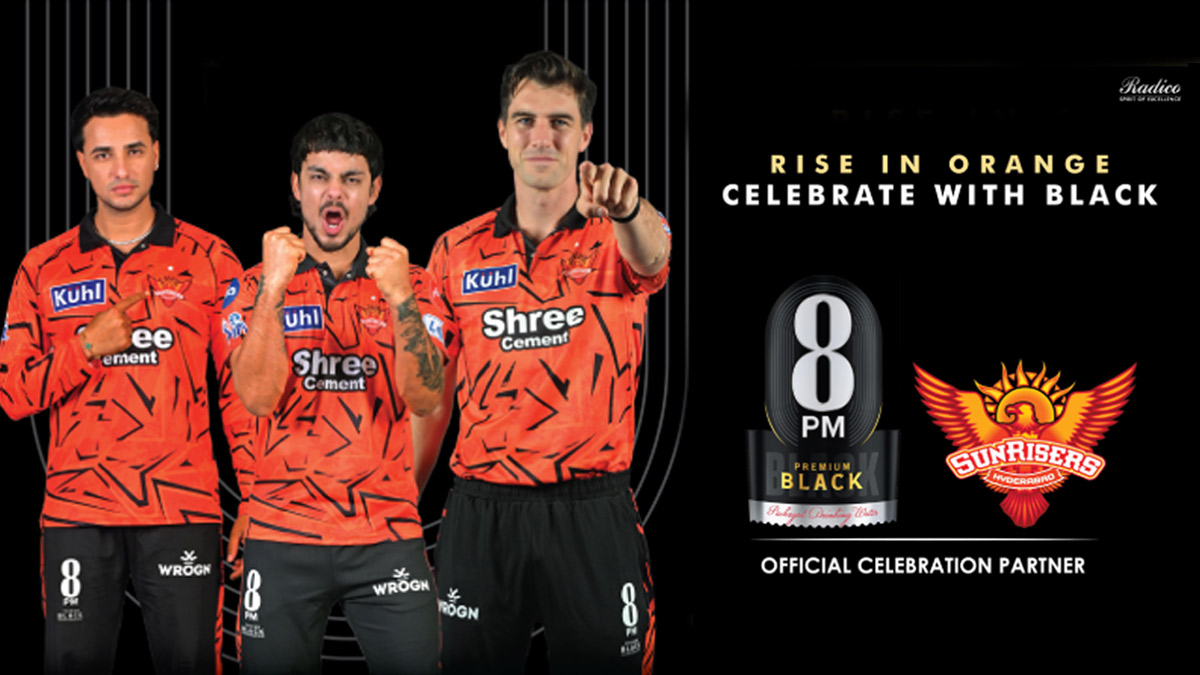
MUMBAI: 8PM Packaged Drinking Water has found a clever way to stay in the game by hitching its wagon to one of cricket’s most exciting teams. The brand from Radico Khaitan Limited has announced its association with Sunrisers Hyderabad as the Lead Trouser Sponsor for India’s Premier Cricket League 2026. The partnership will see 8PM Packaged Drinking Water gain prominent visibility during the high-energy tournament.
To mark the collaboration, the brand has launched the campaign thought “Rise in Orange, Celebrate with Black.” The idea cleverly links the on-field intensity of Sunrisers Hyderabad’s iconic orange jersey with the off-field celebrations powered by 8PM Premium Black Packaged Drinking Water.
Radico Khaitan Limited chief marketing officer Kunal Madan said, “We are delighted to be associated with Sunrisers Hyderabad for the 2026 season. With the league’s unmatched reach and the team’s strong fan following, this is a great opportunity to connect meaningfully with consumers across the country.”
Sunrisers Hyderabad enters the season with a formidable lineup featuring players such as Abhishek Sharma, Ishan Kishan, Travis Head, and Pat Cummins, making it one of the most watched teams this year.
A spokesperson from Sunrisers Hyderabad added, “We are pleased to welcome 8PM Packaged Drinking Water to the Sunrisers family. This association brings together shared values of energy, resilience, and excellence.”
The partnership underscores Radico Khaitan’s strategy of aligning with marquee sporting platforms to build contemporary, consumer-centric brands. By tapping into the emotional connect and massive viewership of the league, 8PM aims to deepen engagement and strengthen brand affinity during the cricket season.
In the fiercely competitive world of Indian cricket sponsorships, 8PM has chosen to play it smart, pairing the thrill of orange with the cool refreshment of black. As Sunrisers Hyderabad prepare for another exciting season, the brand is set to ride the wave of passion, performance, and celebration.







