MAM
Ayushmann Khurrana & Naezy come together with Axe to launch ‘Ab Teri Baari’


MUMBAI: What does it mean to ‘Be a man?’ Bollywood star Ayushmann Khurrana, who has defied stereotypes to become the face of content cinema in India, & Naezy – India’s No 1 rap/hip-hop artist have teamed up with World’s Number 1 Deodorant Axe, India’s leading digital platform Arré and Mindshare, the largest media agency from GroupM to find answers to this question. The music video features the stories of Indian football captain Sunil Chhetri, Dance Superstar Dharmesh Yelande, YouTube Sensation ‘BeYouNick’ and the Made in Heaven actor Shashank Arora.
The collaboration song called ‘Ab Teri Baari’ is a strong call to action for Indian guys to stop worrying about the rules of society and the dreaded ‘Log kya kahenge’ and focus on finding what makes them unique instead. Built around Axe’s brand purpose of inspiring guys to express their individuality and becoming their most attractive selves, the song mirrors the brand’s communication platform of ‘Make Your Own Rules’
A Music Video with A Power Packed Roster of Influencers

Ayushmann Khurrana & Naezy who are performing together for the first time have co-created an incredibly catchy song composed by Clinton Cerejo that brings alive the personal stories of Sunil Chhetri, Dharmesh Yelande, ‘BeYouNick’ and Shashank Arora.
Defying the ‘Stereotypes’
Sunil Chettri exemplifies that ‘It’s Ok for A Guy to Share His Emotions’. We all remember the iconic moment where his heartfelt request to fans to come and support the Indian Football team’s matches lead to an outpouring of love and support across the country.
Youtuber ‘BeYouNick’ stands testament to the fact that in today’s changing world guys can explore their passions, make a career out of it and be successful because they are doing what they love.
Dharmesh Yelande, a man who has redefined dance with his signature dance moves inspires guys to not worry statements like ‘Dance Like A Man’ because there is no such way of dance and encapsulates it perfectly with his dance moves and his line ‘Karun Bharatanatyam ya Karun mai Zumba’
Actor Shashank Arora laughs off the ‘Men Must be Macho’ mantra and charms his way through with his statement “6 pack nahi lekin heart mera tiger,’ an attitude that has helped him in his journey to becoming the man that he is today.
New Age of Branded Collaboration
A truly collaborative effort between Hindustan Unilever’s iconic deodorant brand Axe and leading new age digital platform Arré; Ab Teri Baari is a great example of the intersection between a brand’s ideology and a platform’s creativity in creating impactful branded content. The song will be out across Arre’s social media platforms and partner network.
Talking about the concept, Nippun Aneja, General Manager Deodorants & Men’s Grooming at Hindustan Unilever Limited explained, “Many boys in India still feel an overwhelming pressure to conform to masculine stereotypes. There are many said & unsaid rules on how to ‘Be a Man’ – The way you look, the way you act & interact with your peers; even your career choices & hobbies are being judged through the lens of being ‘masculine enough.’
We want young guys to feel free from the pressures of these ‘rules’, discover what makes them unique and work on it. Axe believes that expressing your individuality is what makes a guy attractive, so go ahead ‘Make Your Own Rules’ and be the best version of yourself.”
Ayushmann Khurrana added, “If you look at my career choices, I have always fought labelling. I have tried, in my own way, to create a path for myself and not walk on the path that I was told to walk on. Yes, it was tougher to create my own identity but today, looking back at my journey, it was necessary and definitely worth it. As soon as I heard the concept of Ab Teri Baari, I immediately wanted to collaborate because it appealed to me strongly. The song reflects how I have lived my life and my own career choices that challenged conformism. The song demolishes stereotypes and calls out for inclusivity that this society so desperately needs.”
Naezy commented on the song “This anthem is something that would resonate with every individual. We have all been stereotyped at one point in time. So, this anthem is dedicated to everyone who is trying to make their life on their own terms.”
Jaideep Singh, Director Arrè commented, “As a platform and a voice that has led gender-based conversations for the youth over the last few years, Arre is stoked to have conceptualized this initiative with Axe. This campaign is a perfect showcase of content and brand seamlessly engaging with the youth in a conversation that is important to them. Arre has developed this unique campaign with spectacular coming together of talent and impeccable creative execution with top of the line production values and a brilliant delivery plan across multiple platforms.”
Commenting on this, Ajay Mehta, Vice President, Content+, Mindshare said, “Axe has always been an iconic youth brand with communication deep rooted in Pop culture. The idea was to use Music & more importantly Hip Hop as a genre which has been recently quite popular among the younger audiences. While Ayushmann & Naezy have given their voice, the music video features some of the top influencers who not only resonate with the brand but are real-life examples. Each of them have a unique story to tell which brings alive the brand’s narrative in a compelling manner. It’s a light-hearted piece of content which is fun, catchy yet inspiring.”



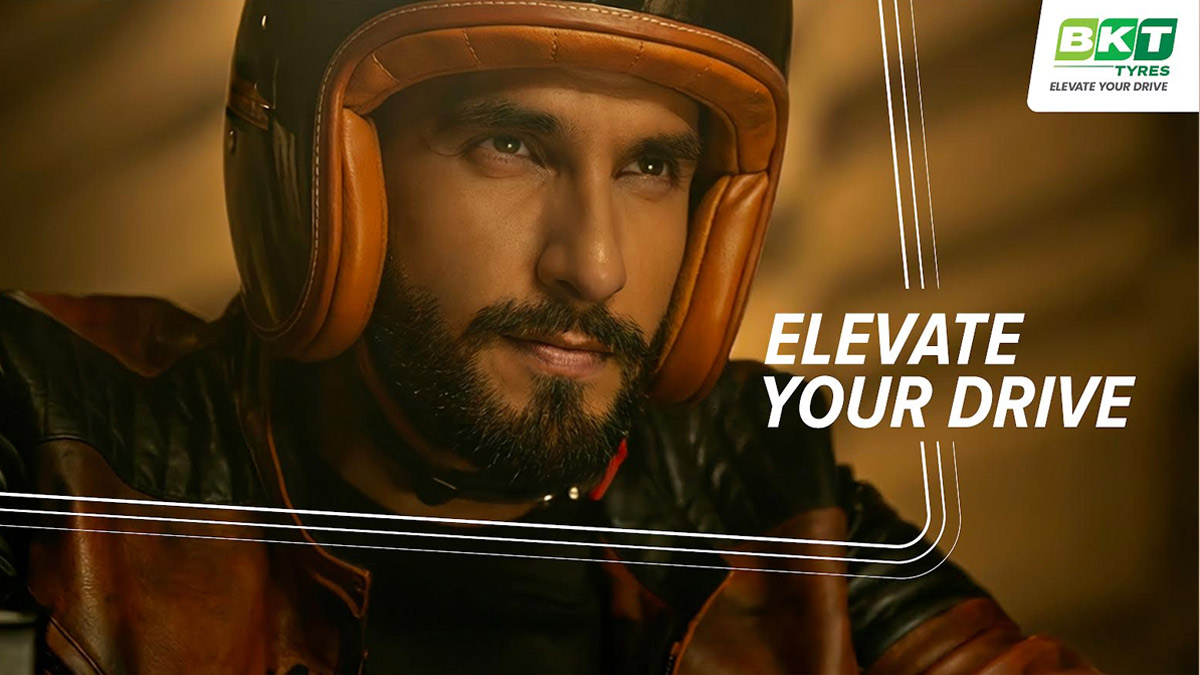
MUMBAI: BKT Tyres has decided to roll into the two-wheeler world with some serious jurrat and it’s brought Ranveer Singh along for the ride. The off-highway tyre specialist has unveiled its new campaign, ‘Jurrat’, marking a strategic push into India’s massive two-wheeler segment. The high-energy TV commercial, featuring brand ambassador Ranveer Singh, debuted on 3 April 2026 during the Indian Men’s T20 League 2026.
The campaign revolves around the core belief that true confidence on the road comes from dependable performance beneath you. ‘Jurrat’ (meaning courage) captures the mindset of riders who navigate dynamic and often unpredictable daily commutes with determination. It brings BKT Tyres’ brand philosophy ‘Elevate Your Drive’ into the two-wheeler space by spotlighting three key product benefits: long life, exceptional road grip, and unmatched comfort.
BKT Tyres chief marketing officer for India Mahesh Koppad said, “India’s two-wheeler segment reflects the way the country moves, works, and progresses every day. ‘Jurrat’ highlights how performance-led tyres, engineered for long life, comfort, and grip, enhance the overall riding experience and support uninterrupted progress in everyday life.”
The campaign is being rolled out across television and digital platforms with high-impact placements to ensure maximum reach and engagement.
This launch represents BKT Tyres’ calibrated expansion from its stronghold in off-highway tyres to becoming a more holistic mobility brand, addressing the everyday transportation needs of millions of Indian riders who rely on motorcycles and scooters as their primary mode of transport.
In a segment where confidence is everything, BKT Tyres is betting that a combination of bold celebrity appeal and strong product performance will help it gain serious traction on Indian roads. The campaign signals that the company is ready to move beyond its traditional turf and accelerate in the fast-paced two-wheeler market.






