MAM
Avian Media ropes in Palin Ningthoujam


MUMBAI: Avian Media has appointed Palin Ningthoujam to spearhead its digital practice. The appointment will further strengthen Avian’s existing capabilities in the digital space.
With more than a decade of experience Ningthoujam will be responsible for building the firms digital thought leadership, internal digital adoption and lead client strategy, execution and analytics. Besides, Ningthoujam will scout for opportunities to incorporate reputation management and digital marketing.
Commenting on his new role, Ningthoujam, said, “Today, clients are looking at tighter integration of digital in marketing, communication and customer service initiatives with teams that understand business requirements, quality in execution and ideas with substance. My priority at Avian Media will be to work on these expectations and take the delivery a notch higher in the industry. Avian Media, with its strong leadership and passionate teams, has attracted good clients and industry accolades in the past few years. I believe this is the right place that offers the flexibility, creativity, and culture that will help me work towards industry priorities.”

On the appointment, Avian Media CEO and business partner Nitin Mantri said, ‘In today’s era when social media is transforming the communication industry globally, companies are opting for an integrated PR and digital approach for brands. Online reputation management holds the key to building prominence, popularity and preference for companies. Hence, it is crucial for us to strengthen our base with talented professionals who will reinforce our ongoing strategic focus on delivering successful digital campaigns for clients. Palin has the experience of working across sectors and we will use his rich pool of knowledge to steer Avian’s growth on the digital front.”
Ningthoujam has led award winning digital campaigns for various organisations in auto, technology, food, and travel sectors. He founded the India PR Blog in 2006 which ranks among top PR blogs globally. He has also written extensively for leading US based social media blog, Mashable.com, reviewing and comparing online tools, and also has written for key blogs such as Desicritics and New Communications Review. He also founded the ‘Network of PR Professionals’ group on Linkedin.







MAM
Beacon Group appoints Dr Rajesh Patel as Group CEO
36-year healthcare veteran to lead Beacon Diagnostics, Vector Biotek, Biogeny.
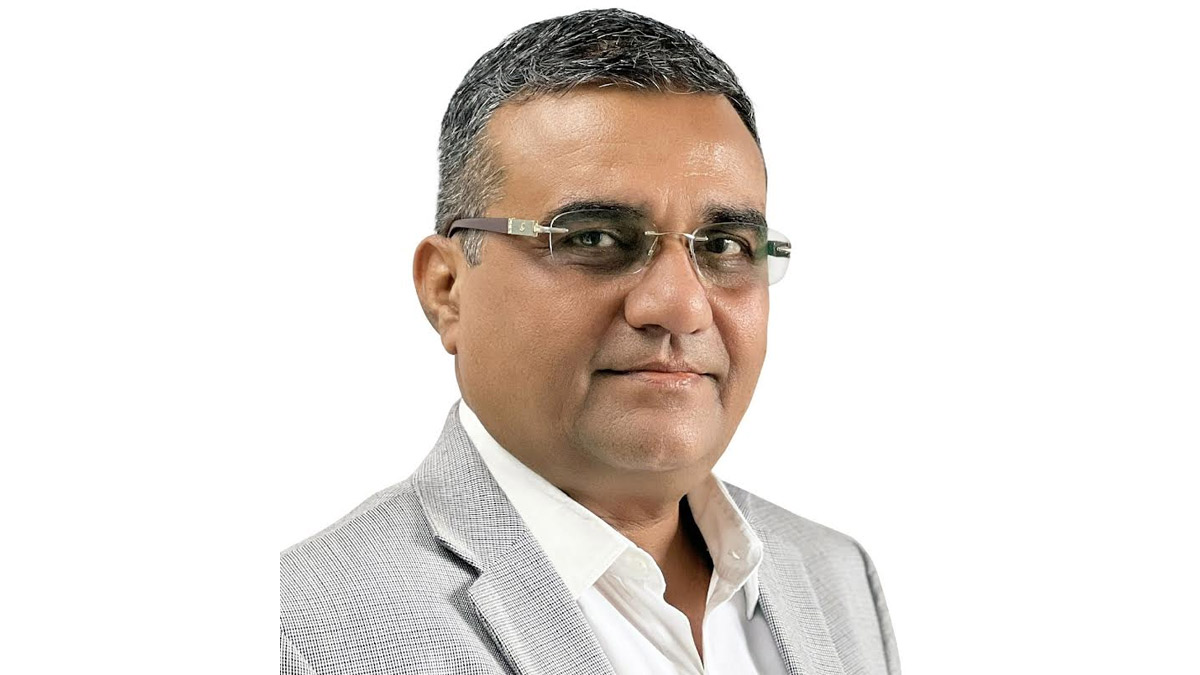
MUMBAI: A new chief, a fresh diagnosis and a sharper prescription for growth. Beacon Group has appointed Dr Rajesh Patel as its Group Chief Executive Officer, effective April 1, 2026, signalling a decisive push to scale its presence in the diagnostics and IVD space. Patel steps into the role with 36 years of experience across the healthcare and diagnostics industry, bringing a career shaped by leadership roles spanning sales, marketing, business development and operational strategy. His mandate is both expansive and precise: to steer the group’s overall strategic direction while tightening coordination across its three core entities Beacon Diagnostics, Vector Biotek and Biogeny Diagnostics.
In practical terms, that means driving cross-company synergies, accelerating market expansion and strengthening organisational capability areas increasingly critical as diagnostic players compete for scale in a fragmented yet rapidly evolving healthcare ecosystem. The group is positioning itself to capture unmet demand across chain laboratories, key accounts and standalone labs, segments that remain underserved despite growing diagnostic needs.
The appointment comes at a time when the In Vitro Diagnostics (IVD) sector in India is entering a more competitive and innovation-led phase, with companies focusing not just on product pipelines but also on service delivery, integration and customer-centric models. Beacon’s leadership appears to be betting that Patel’s execution-focused approach can help translate ambition into operational momentum.
Welcoming the appointment, Chairman Dr D K Joshi described Patel’s induction as a strategic move aligned with the group’s long-term vision, emphasising the role of leadership depth in navigating the next phase of growth.
For Beacon Group, the message is clear, in a sector where precision matters, leadership is the new differentiator—and this appointment is intended to set the tone for what comes next.






