MAM
Automotive brands struggle to differentiate themselves in India

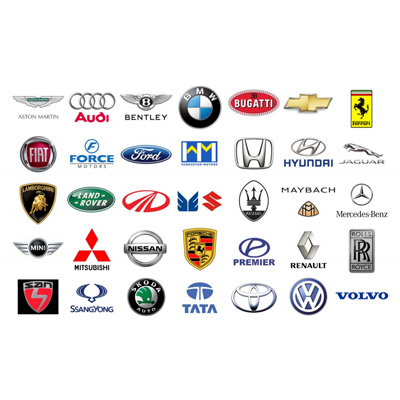
MUMBAI: The automobile industry of India has always been a favourite among consumers, but according to the recent JD Power Asia Pacific 2014 India Brand Influence and Positioning Study (BIPS), very few automotive brands in the intensely competitive India passenger-car market are able to establish a distinct position in car buyers’ minds.
In India, brands with the highest brand influence scores (on a 1,000-point scale) are Maruti Suzuki (837), Hyundai (758), Toyota (729), Honda (723) and Tata (703), while Mitsubishi (565) and Fiat (586) are amongst brands with the lowest influence.

According to the study, strong brand influence may have a positive effect on purchase intent for a particular brand, as brand influence scores correlate highly with brand consideration rates. The study also segments the market using psychographic, demographic and behavioral attributes to help automakers identify and understand who their best prospects are in the new-car market.
“Brand image and reputation have gained significant importance over the last five years for consumers in the Indian auto industry and are key purchase criterion,” said JD Power Asia Pacific Singapore executive director Mohit Arora. “Brand Influence scores measure the impact a brand has in the market, which is critical for automakers to track and measure,” he aaded.
As per the report, in the Northern and Eastern regions of India consumers in India have substantial difficulty distinguishing between many of the larger European and US automotive brands such as Fiat, Ford and Renault. In contrast, Japanese brands, such as Honda and Toyota, are able to more effectively differentiate themselves from other brands.
Despite its Japanese origin, consumers view Maruti Suzuki as an Indian brand, less modern than other brands but distinctly positioned as offering affordable and fuel-efficient cars. Similar to Maruti Suzuki, Tata is also seen as a brand primarily positioned on affordability and fuel efficiency.
Consumers in India perceive these Japanese brands to be more contemporary, offering the latest technology and engineering and perceive them to have a more global image than their European, Korean and US counterparts.
Explaining the brand positioning, Arora elaborated, “Understanding their current positioning relative to the competition from a consumer’s perspective as well as the type of messaging themes that appeal most to a target segment helps automotive manufacturers sharpen their marketing efforts. Generally, consumers are able to differentiate more effectively on vehicle features they can see, touch and feel than on intangibles.”
The 2014 India Brand Influence and Positioning Study is based on interviews with 8,009 car owners who have owned their vehicles from 30 to 42 months and who were asked to compare two vehicle brands. The study was fielded from January through April 2014 across 30 cities in India, a period when Indian car industry was at an all time low in sales and spirit.





MAM
Dettol launches new emotional campaign for Antiseptic Liquid
Heartfelt film celebrates mother’s instinct with the tagline “Nothing protects like Mom & Dettol.”
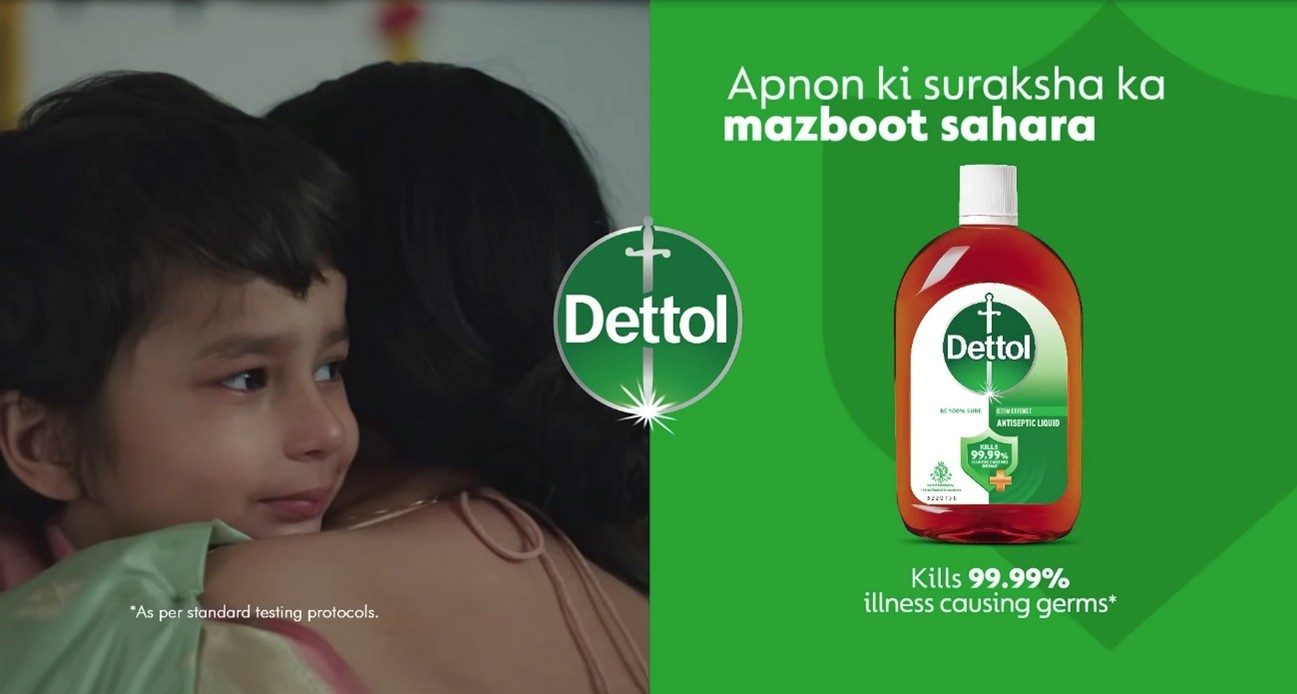
MUMBAI: Dettol has found the perfect formula for its latest campaign, a generous mix of maternal love and antiseptic care that’s sure to tug at every Indian heartstring. The iconic germ protection brand has rolled out a touching new campaign for Dettol Antiseptic Liquid built around the universal truth of a mother’s instinctive care. The film brings to life the simple yet powerful idea: “Nothing protects like Mom & Dettol.”
Set against the lively chaos of a shaadi ka ghar, the story follows a young boy who hurts himself but puts on a brave face to hide his pain. The moment he reaches his mother, she instinctively senses something is wrong. As she gently tends to his wound with Dettol Antiseptic Liquid, his guard drops, leading to a tender role reversal where the child ends up comforting his mother. The film ends with the poignant line, “Apnon ki suraksha ka mazboot sahara.”
The campaign reinforces Dettol’s timeless place in Indian homes as a reassuring companion in moments of vulnerability. It was conceptualised and written by Prasoon Joshi
, with an original track composed by Vishal Khurana K, sung by Javed Ali, and lyrics by Prasoon Joshi. Amit Sharma directed the film.
Reckitt EVP regional director for South Asia Gaurav Jain said the campaign captures the deep emotional bond between a mother’s instinct and Dettol’s protection. “This campaign encapsulates that delicate, human truth, a mother senses hurt even before it is spoken, and Dettol strengthens her ability to respond with care and confidence,” he noted.
Prasoon Joshi added, “When a child is hurt, the first instinct is to reach for their mother, their ultimate safe space. And in that moment, the mother turns to Dettol, something she trusts to protect what matters most.”
As the flagship product in the Dettol portfolio, the Antiseptic Liquid continues to offer unmatched protection for cuts and wounds, standing shoulder to shoulder with mothers through life’s small scrapes and bigger worries.
In a world full of flashy advertisements, Dettol has quietly reminded us once again that the strongest protection often comes wrapped in the simplest, most heartfelt moments, the kind only a mother and a trusted bottle of Dettol can provide.






