MAM
Asus India releases new TVC – ‘The Edge of The World’

MUMBAI: The ever-changing market dynamics is pushing brands to be more experimental and adventurous with digital storytelling. After already piquing everyone’s interest with first-of-its-kind offering of dual-screen laptops, Asus has released a brand new TVC for the same. The short commercial adeptly captures the theme of ‘The Edge of the World’, as was palpable in Asus’ launch of world’s first Dual 4K Screen Zenbook Pro Duo, The Laptop of Tomorrow.
The world was once considered flat, until Ferdin and Magellan established the first circum navigation of earth. Similarly, set in the backdrop of the 1500s, the TVC has sailors setting out in the deep ocean to address unanswered questions. When the sailors in the lower deck discover that they are approaching the edge of the world, panic spreads like wildfire. Amidst the commotion, we see some sailors abandoning the ship while one seeks council with the captain who's positioned on the top of the masthead with the telescope. He alone seems composed as he takes the ship beyond the edge. The film is a fresh cut on laptop advertising and tells a unique story in a world that is cluttered by spec-talk and jargons.
Asus India business head – consumer, commercial and gaming PC Arnold Su said, “Asus has always believed in shunning the norms and pushing the boundaries of what is deemed to be possible through constant innovation. The latest range of dual-screen laptops are a testament to the same ideology. While the laptops space has not seen much innovation in the recent times, we take pride in introducing the 4K dual-screen laptops. Our first TVC captures the same spirit, taking inspiration from medieval times and sea voyages going beyond boundaries. We are affirmative that the short film will communicate the brand’s strong ethos of innovation, grit, and determination.”

FCB Ulka president Kulvinder Ahluwalia said, “The Asus ZenBook Pro Duo is a product that would out-spec even the most loaded laptops, but it was the dual screen that clearly demarcated it from the entire competition. It was that we chose to focus upon sharply, thus bringing alive the benefit that great things happen when one travels beyond the edge. The communication has a dramatic showcase of the dual screen in a manner not seen in the category globally. Thus, enabling us to position Asus as an aspirational and inspiring brand, which connects with the content creators of today.”
Essentially, a ship goes over the edge in the latest film by Asus, akin to how Asus went beyond the age-old designs of laptops, disrupting the status quo with its dual-screen offering of Asus ZenBook Pro. Until then, laptops have seen the least amount of innovation in the world of gadgets in the contemporary times.
The short film by Asus was conceptualized by FCB Ulka and is directed by Shashank Chaturvedi (Bob) and produced by Good Morning Films. The short film will run across India and APAC region.





MAM
Ameya Velankar steps down as Uber’s head of marketing for India & South Asia
Veteran marketer exits after more than seven years with the ride-hailing giant.
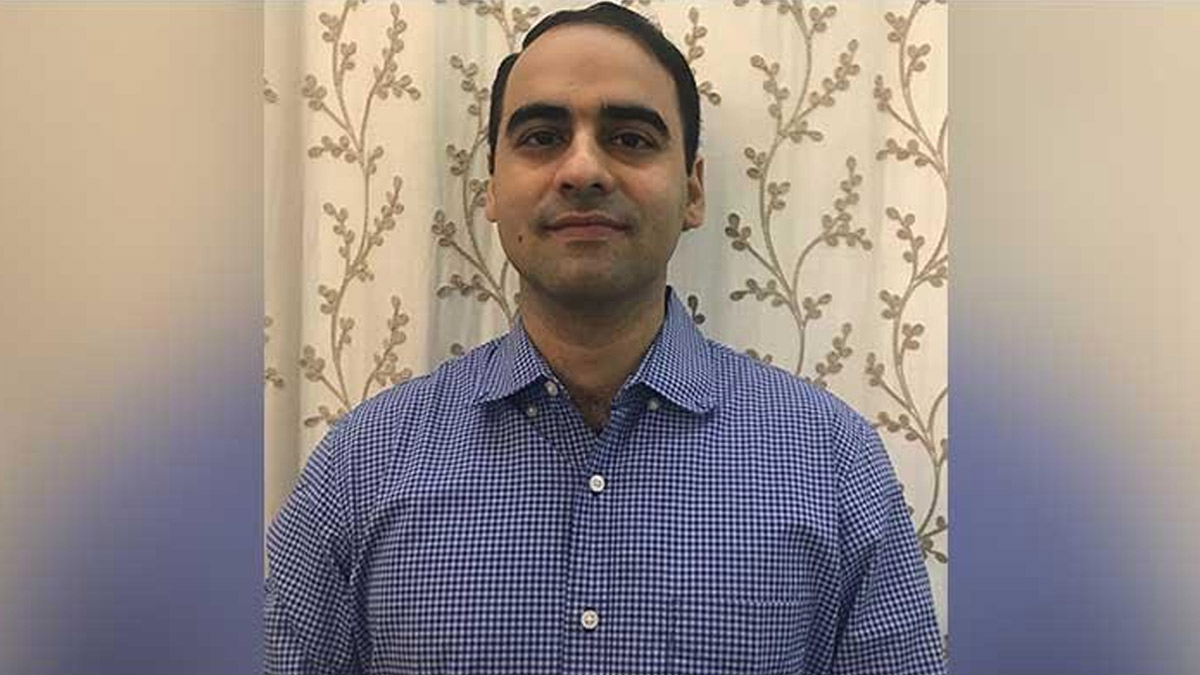
MUMBAI: After more than seven years of steering Uber through the bumpy roads of India’s mobility market, Ameya Velankar has decided to change lanes. Ameya Velankar has stepped down as Head of Marketing for India and South Asia, marking the end of a significant chapter at the ride-hailing company. He had been with Uber since 2019, taking on multiple roles in product and category marketing before rising to lead the marketing function for the region in 2021.
During his tenure, Velankar played a key role in strengthening Uber’s positioning in one of its most competitive and dynamic markets. He helped drive localised marketing strategies and scale adoption across key offerings such as Auto, Moto, Rentals and Intercity, tailoring global platforms to Indian consumer needs.
Prior to joining Uber, Velankar built his marketing expertise at leading consumer companies including SC Johnson and Marico, where he handled category and product leadership roles. His career began at RPG Enterprises.
Details of his next professional move have not been disclosed.
In a fast-evolving mobility landscape where brands constantly battle for attention, Ameya Velankar helped Uber stay relevant and resonant with millions of Indian users. As he moves on from the driver’s seat of marketing, the company will now look for fresh ideas to keep its wheels turning smoothly.






