MAM
Assembly Global appoints Vivekanand Kini as regional director APAC

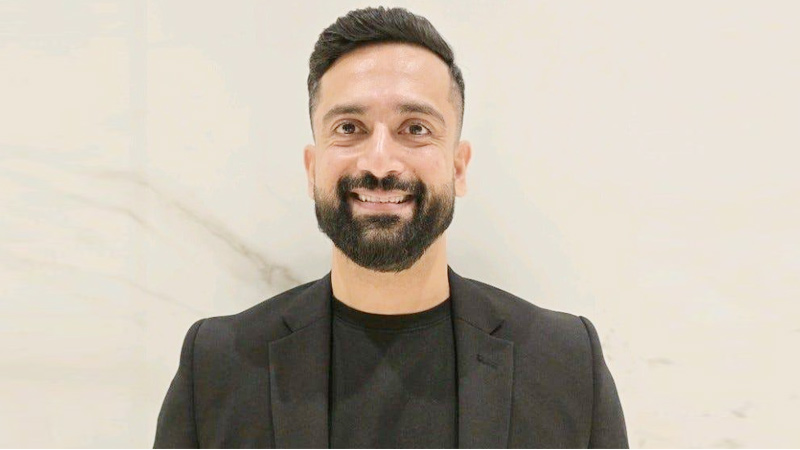
MUMBAI: From Yahoo to Hungama, from HP to Akzonobel and now, the Assembly hall. Vivekanand Kini has joined Assembly Global as regional director for client experience, a move that marks the next chapter in a 15-year-plus career spent shaping digital journeys for some of the world’s biggest brands.
Kini, who steps into the role this September, brings 18 years of experience across digital marketing, e-commerce, and client strategy, including 8 plus years in leadership positions. Most recently, he was regional head of digital & e-commerce at Akzonobel (2022–2025), where he spearheaded digital growth across Asia. Before that, he helmed HP’s digital marketing for over six years (2016–2022), leading campaigns and customer experience initiatives out of Gurgaon.
His career foundation was laid at agencies and media firms: Havas Media (2013–2016) as associate director for media, Saatchi & Saatchi (2012–2013) as senior manager for client servicing, and Yahoo (2011) where he drove online media spends in retail. He began his digital journey at Hungama (2010–2011), managing brand solutions for marquee clients such as 7UP, Bacardi, LG, and Maruti Suzuki.

At Assembly Global, Kini will be tasked with deepening client relationships, scaling regional strategies, and ensuring Assembly’s philosophy of Showup, Makechange, and Winwell translates into measurable client success. His portfolio of skills spans Adobe experience manager, marketing mix modelling, conversion optimisation, growth marketing, customer insight, and media trends expertise Assembly hopes will fortify its client-first positioning in Asia.
Kini described the new role as a “perfect fit” for his passion for partnership and impact: “Mobility, technology and customer behaviour are evolving rapidly. This is an opportunity to reimagine client experience at scale, powered by both empathy and innovation.”
For Assembly, a company known for its digital-first, culture-driven marketing approach, Kini’s appointment comes as it doubles down on APAC expansion and builds on its strong momentum with global clients.
Looks like Assembly has found its newest building block and Kini is ready to cement lasting partnerships.




Brands
Jubilant Foodworks to end Dunkin’ franchise in India
Pizza chain operator will not renew agreement when it expires at end of 2026.
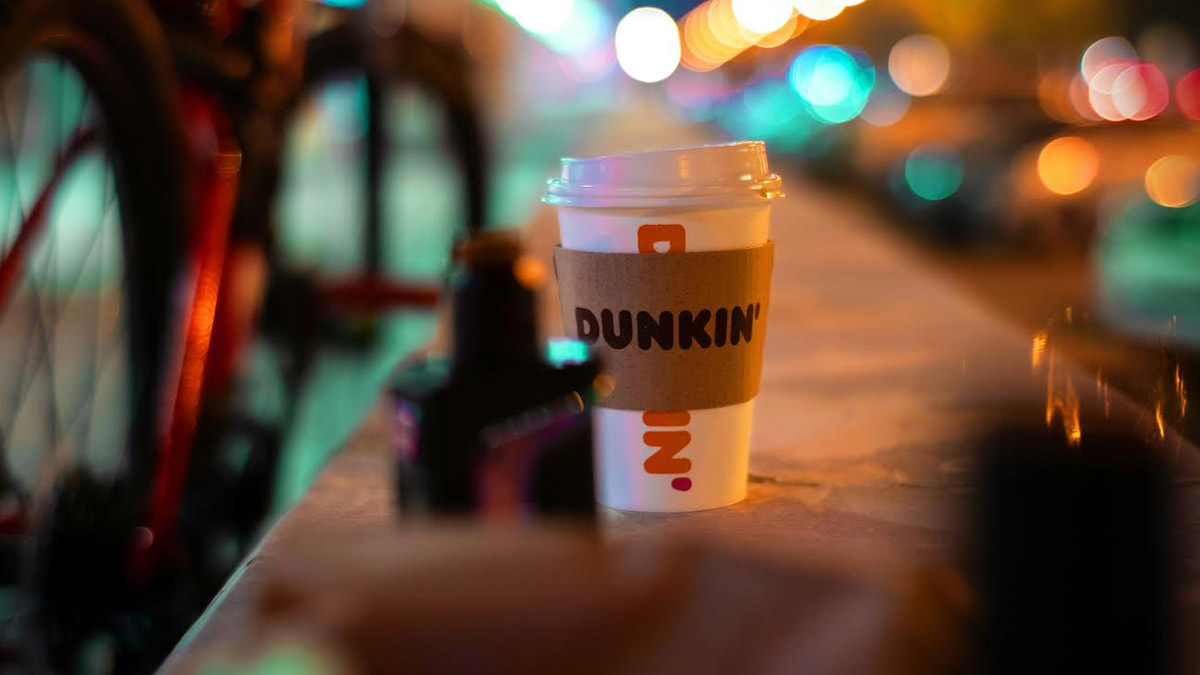
MUMBAI: When the doughnuts stop turning and the coffee goes cold, even a global giant like Dunkin’ can find the Indian market a tough brew to crack. Jubilant Foodworks has decided not to renew its franchise agreement with Dunkin’ when the pact expires on 31 December 2026, according to a Reuters report. The operator, best known for running Domino’s outlets in India, said it would evaluate options for its existing Dunkin’ stores, including a potential sale or transfer of franchise rights, in consultation with the US-based brand.
The decision follows years of underperformance in a market where local tastes and intense competition have made it difficult for international coffee-and-doughnut formats to gain traction. Jubilant, which has increasingly focused on its core pizza business and newer bets like Popeyes, indicated that the exit would not materially affect its financial or operational position.
Dunkin’ accounted for just 0.61 per cent of Jubilant’s revenue in the fiscal year ending 2025 and recorded a loss of approximately Rs 191 million, according to a regulatory filing. The company operated 27 outlets as of December 2025, having shuttered seven stores over the preceding year.
The retreat comes even as Jubilant’s broader business shows signs of momentum. The company reported a 65 per cent rise in quarterly profit for the October to December period, reaching Rs 70.9 crore, up from Rs 42.91 crore a year earlier.
For Jubilant, the exit reflects a sharpening strategic focus. For Dunkin’, it marks another setback in a market that has proven resistant to imported café concepts without significant localisation.
In the cut-throat world of Indian quick-service restaurants, sometimes the sweetest deals are the ones you quietly walk away from leaving more room for the brands that truly rise to the occasion.