MAM
ASCI elevates ad standards with a vigilant system of digital surveillance. Green claims scrutinised. – Manisha Kapoor, ASCI


Mumbai: The Advertising Standards Council of India (ASCI) takes a pivotal stride towards enhancing transparency and accountability in environmental advertising through the unveiling of comprehensive draft guidelines on “Environmental/Green Claims.” The draft guidelines are open for public feedback until the 31st of December 2023, post which they will be finalised. Developed by a multi-stakeholder task force, including environmental experts, these guidelines aim to ensure that advertisements are free from greenwashing practices. The draft guidelines establish a clear framework for advertisers to present truthful and evidence-based environmental claims.
Environmental claims include, suggesting or creating an impression that a product or a service has a neutral or positive impact on the environment, is less damaging to the environment than a previous version of the same product or service or a competitive product or has specific environmental benefits.
Environmental/Green claims can be explicit or implicit. They can appear in advertisements, marketing material, branding (including business and trading names), on packaging or in other information provided to consumers.

Indiantelevison.com spoke to ASCI secretary general & CEO Manisha Kapoor on the fresh guidelines and the reasoning behind it now. Once the rules are framed, how they will be implemented and much more…..
On the Advertising Standards Council of India (ASCI) takes a pivotal stride towards enhancing transparency and accountability in environmental advertising through the unveiling of comprehensive draft guidelines on “Environmental/Green Claims.” ….it is very easy to say this but how will this be implemented on a larger scale across mediums
ASCI has a well-established code and mechanism for resolving grievances against objectionable ads. Greenwashing is a kind of misleading ad. Not only are such claims against the ASCI Code, but any misleading ad violates The Consumer Protection Act, 2019 as well. Besides accepting public grievances, ASCI’s extensive surveillance system, which includes TAM tracking digital channels and platforms, 32 national newspapers, 50 magazines, and 425 TV channels in 14 languages, ensures that we are looking at advertising across media and geography.
This proactive system, complemented by an in-house digital surveillance team, effectively oversees various mediums. This comprehensive approach underlines ASCI’s commitment to maintaining standards across the diverse landscape of advertising platforms, and we will be scrutinizing green claims as a part of this effort
On being environment-friendly, sustainable, etc are oft-used words, how will a brand now make sure that these words are not used loosely, what would be ASCI’s implementation on this? For carbon offset claims and compostable, biodegradable, recyclable, non-toxic, free-of, etc. claims, how will this be implemented
Once finalized, ASCI’s guidelines will be implemented through proactive Suo-moto surveillance as well as efforts to educate the industry and consumers. These guidelines will help advertisers navigate the complexities of green claims and set clear directives for acceptable advertising practices on the subject, with a specific focus on preventing the indiscriminate use of broad terms such as “environment-friendly” “sustainable.” etc. Brands will be required to substantiate their environmental claims with concrete evidence to ensure accuracy and relevance.
It is recommended that advertisers use narrower claims for which they can provide clear evidence. Advertisers will need to provide competent and reliable scientific evidence for claims regarding carbon offset, compostability, biodegradability, recyclability, non-toxicity or any other environmental claims made in advertising. The guidelines also call for transparency in the evaluation process of these claims and require certifications from nationally or internationally recognized authorities to verify the authenticity of such claims.
On Influencers and Celebrities endorsing such claims what will be the implication on them, will the brand be held responsible or the person endorsing it
By ASCI’s guidelines, influencers and celebrities endorsing environmental claims must ensure they have done due diligence to ensure the accuracy and reliability of their information. By law, endorsers need to make sure they have done due diligence for the ads they endorse, or else they can be fined or suspended from endorsements. In the past, the government has taken action against celebrities as well as brands. ASCI has an ‘Endorser Due Diligence’ service in place through which endorsers, including celebrities, can ensure they have taken all precautions to feature in ads without misleading content.
On how clear is the context, about environmental claim should specify whether it refers to the product, the product’s packaging, a service, or just to a portion of the product, package, or service. Can you elaborate on this
The guideline emphasizes precision and transparency in environmental claims. If not evident from the context, any claim regarding a product’s environmental impact should explicitly mention whether it pertains to the entire product, its packaging, a specific service, or only a portion of the product, package, or service. This ensures that consumers receive clear and accurate information about e what specific aspects of a product or service are green. The goal is to prevent ambiguity and promote transparency in advertising practices, aligning with ASCI’s commitment to responsible advertising.
On how does a common consumer differentiate between genuine claims and claims made by so-called influencers on various social media platforms, especially Instagram
Consumer vigilance and education on advertising is a key aspect ASCI is working on as part of the ASCI Academy. We have tied up with several civil society organizations to improve the advertising literacy of consumers. We will also soon launch a certification course for influencers to ensure their work is responsible. While consumer education is a large and long-term exercise, ASCI is stepping up its efforts in this area along with several other organisations.


Brands
Adobe CEO Shantanu Narayen to step down after 18 years in role
Board begins CEO search as Narayen prepares to move to chair role
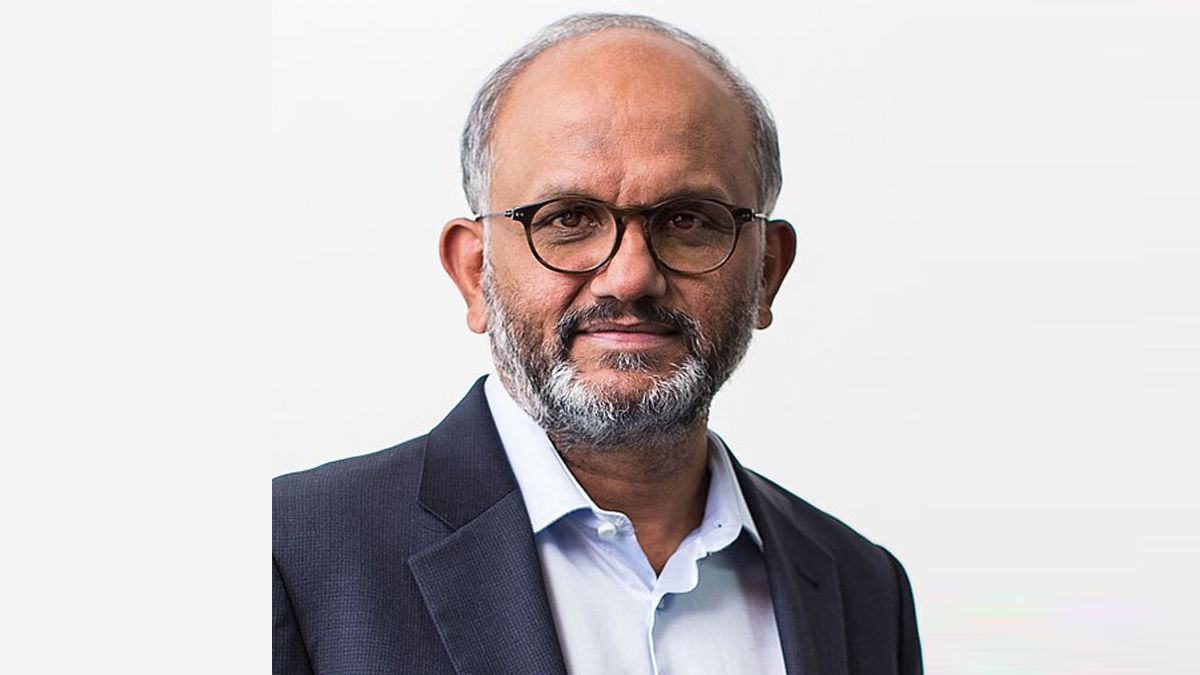
SAN JOSE: After nearly two decades at the helm, Adobe’s long-serving chief executive Shantanu Narayen is preparing to pass the baton.
The company announced that Narayen will transition from his role as chief executive officer once a successor is appointed, ending an 18-year run that reshaped Adobe from a boxed software seller into a global cloud and AI powerhouse. He will remain chair of the board following the leadership transition.
Adobe’s board has formed a special committee to oversee the succession process, led by lead independent director Frank Calderoni. The committee will evaluate both internal and external candidates.
“Shantanu’s leadership has been instrumental in Adobe’s transformation and in positioning the company for the AI-driven era,” Calderoni said in a statement. “As we begin the next phase of succession planning, our focus is on identifying the right leader for the company’s next chapter while ensuring a smooth transition.”
In a note to employees, Narayen described the moment not as a farewell but as a pause for reflection after a long journey with the company.
“I love Adobe and the privilege of leading it has been the greatest honour of my career,” he wrote, adding that he will continue to work closely with the board over the coming months to ensure a seamless leadership change.
Tributes from the technology industry quickly followed the announcement. Microsoft chairman and chief executive officer Satya Nadella congratulated Narayen on what he described as a “legendary run” at Adobe.
“Congrats Shantanu, on a legendary run at Adobe! You’ve built one of the most important software companies in the world, and expanded what’s possible for creators, entrepreneurs, and brands everywhere,” Nadella wrote on LinkedIn.
“What has always stood out to me is the empathy you’ve brought to the creative process and the example you’ve set as a leader. Grateful for your friendship, mentorship, and for all you’ve done for Adobe and for our industry.”
Narayen’s career at Adobe spans nearly three decades. He joined the company in 1998 as vice president and rose steadily through the ranks before becoming chief executive officer in December 2007.
During that time, he orchestrated one of the most significant reinventions in the software industry. In 2013, Adobe made the bold decision to abandon traditional boxed software sales and move its flagship creative tools such as Photoshop to a subscription-based Creative Cloud model. The shift initially rattled investors but ultimately transformed Adobe into a predictable recurring revenue business and a case study in digital reinvention.
Narayen also pushed Adobe beyond creative tools into the world of marketing technology and data-driven customer experience, spearheading acquisitions such as Omniture and Marketo. Those moves helped build Adobe’s digital experience division and broaden its reach far beyond designers and photographers.
The numbers tell the story of that transformation. When Narayen took over in 2007, Adobe generated roughly $3 billion in annual revenue. Today the company reports more than $25 billion. Over the same period, its workforce expanded from around 3,000 employees to more than 30,000.
In recent years, Narayen has steered Adobe into the generative AI era with the launch of Adobe Firefly, aiming to keep the company ahead in a rapidly evolving creative technology landscape.
Born in Hyderabad in 1963, Narayen studied electronics and communication engineering at Osmania University before moving to the United States for a master’s degree in computer science from Bowling Green State University. He later earned an MBA from the Haas School of Business at the University of California, Berkeley.
Widely regarded as one of Silicon Valley’s most steady and effective leaders, Narayen has earned multiple honours during his career, including India’s Padma Shri in 2019.
For Adobe, the upcoming leadership change marks the end of a defining chapter. For Narayen, however, the story is far from finished. As he told employees, the company’s next era of creativity, powered by AI and new digital workflows, is only just beginning.