MAM
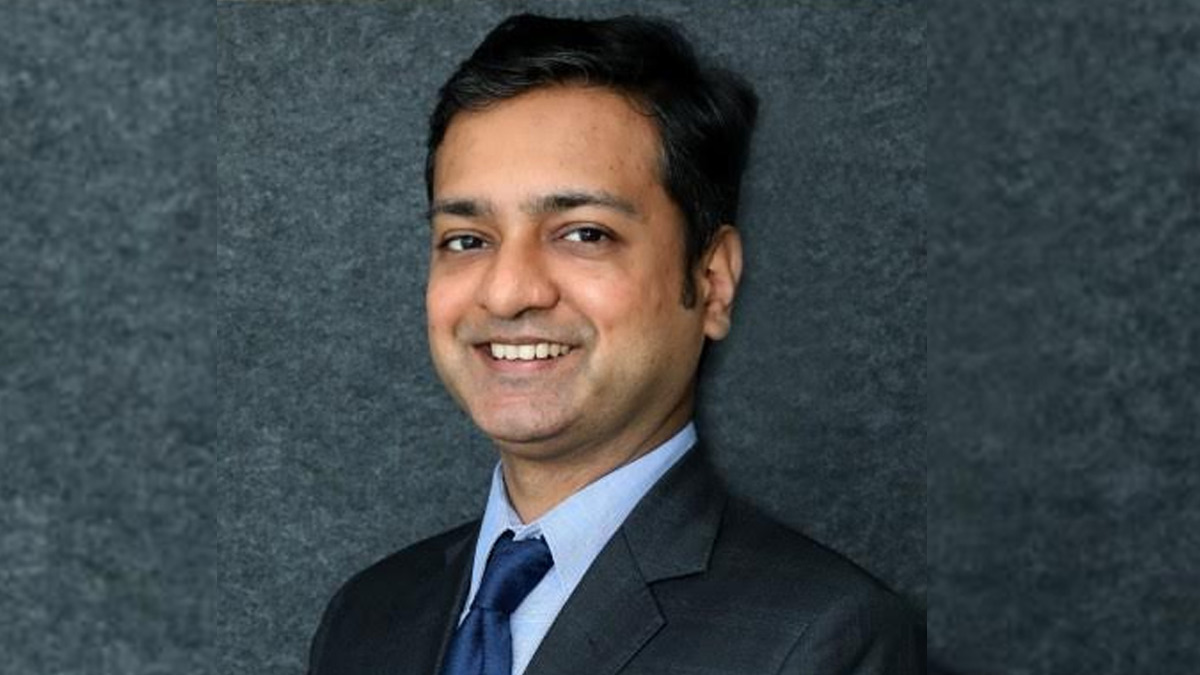
Amit Dhawan joins Art-E MediaTech as partner & CEO


MUMBAI: Art-E MediaTech, a full-service marketing and advertising agency, has announced the appointment of Amit Dhawan as its CEO and the newest partner in the firm.
An IIM Ahmedabad alumnus, Dhawan was previously with Schbang as the founding partner and business head for their Delhi office, where he was responsible for setting up the business in the North as well as leading the company’s media business. In his eight plus years of experience, he has worked with a diverse set of 200+ brands, including Johnson & Johnson, Panasonic, Godrej, Cipla, Realme, and more.
“While we empower ourselves to meet the changing marketing landscape, we must have the solid support of people that will propel us forward. Having someone of Amit Dhawan’s calibre join us brings rich expertise in driving our clients to a reputable position in the marketplace, combined with qualitative and admirable leadership skills and knowledge,” said Art-E co-founder Rohit Sakunia. “We are delighted to welcome Amit as our partner as we continue to grow and disrupt the industry.” Art-E was founded by Rohit Sakunia, Tejender Sharma, and Animesh Mukherjee in 2018.

Amit Dhawan said, “I am excited about becoming a part of Art-E, which has always been at the forefront of delivering meaningful and true solutions to its clients by seamlessly integrating creative, tech, and media. By applying the learning I have had so far, I hope to make a meaningful difference to the business of our clients.”
Dhawan has also been featured in the ’30 under 30′ list by Agency Reporter as well as amongst the Top 100 smartest digital marketing leaders by the World Digital Marketing Congress, Global Federation of Digital Marketing, World Federation of Marketing Professionals, and CMO Asia.







Brands
Emami names Dhruv Aggarwal as chief growth officer
Former Bain partner steps in as FMCG firm sharpens growth playbook
MUMBAI: Emami Limited has appointed Dhruv Aggarwal as its chief growth officer, effective 25 March 2026, following the resignation of Giriraj Bagri.
Aggarwal joins the FMCG major from Bain & Company, where he most recently served as partner. With over two decades of experience across consulting and strategy, he brings a global perspective shaped by work across India, the US, the UK and Germany.
During his tenure at Bain, Aggarwal advised consumer, retail and media companies on large-scale transformations, business turnarounds and growth strategies. He was also closely involved with India’s startup ecosystem, guiding early-stage ventures on scaling and digital expansion, while supporting private equity and venture capital firms on investment decisions.
His earlier stints include a brief role at Barclays Capital and operational experience at Jindal Power, giving him a mix of financial and industry exposure.
Academically, Aggarwal holds an MBA from Indian Institute of Management Bangalore and has also been associated with University of Illinois Urbana-Champaign as a PhD candidate and teaching assistant.
The appointment comes at a time when Emami Limited is looking to sharpen its growth strategy in a competitive consumer market. With a seasoned strategist now at the helm of growth, the company appears set to double down on transformation and expansion in the months ahead.








