MAM
Alex Lubar exits DDB, steps in as Fundamentalco CEO


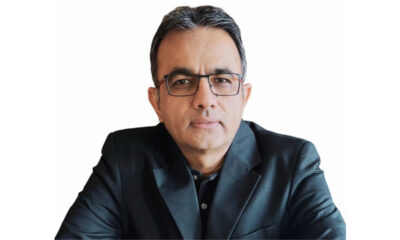
MUMBAI: Alex Lubar has stepped down as global CEO of DDB to take the helm at Fundamentalco, marking a fresh chapter in one of advertising’s most dynamic leadership journeys. He joins founder Jonny Bauer and what he calls “an immensely talented team” at a company he describes as “a truly unique operation that understands the power of brand-led value creation.”
In a warm message to his former colleagues, Lubar thanked the global DDB network for “the unbelievable community” he had the privilege of leading over the past two years. “Your creative genius is only outmatched by your collective grace,” he said.
Lubar’s move caps a career defined by steady ascent across some of the world’s most influential agencies. Before joining Fundamentalco in November 2025, he spent more than three years at DDB, serving first as global president and COO and later as global CEO.

His earlier chapter at McCann Worldgroup saw him rotate through major leadership roles, president of McCann North America, president of McCann Worldgroup Asia Pacific, CEO of McCann London, and global chief marketing officer. Prior to McCann, he sharpened his strategic and new-business skills at Grey, Bartle Bogle Hegarty, The Ad Store, and Rapp Collins Worldwide.
Lubar now steps into a role that gives him space to rethink, rebuild and reimagine. With a career shaped by bold choices and big impact, his next act at Fundamentalco looks set to be every bit as interesting as the ones before it.






Brands
Emami names Dhruv Aggarwal as chief growth officer
Former Bain partner steps in as FMCG firm sharpens growth playbook
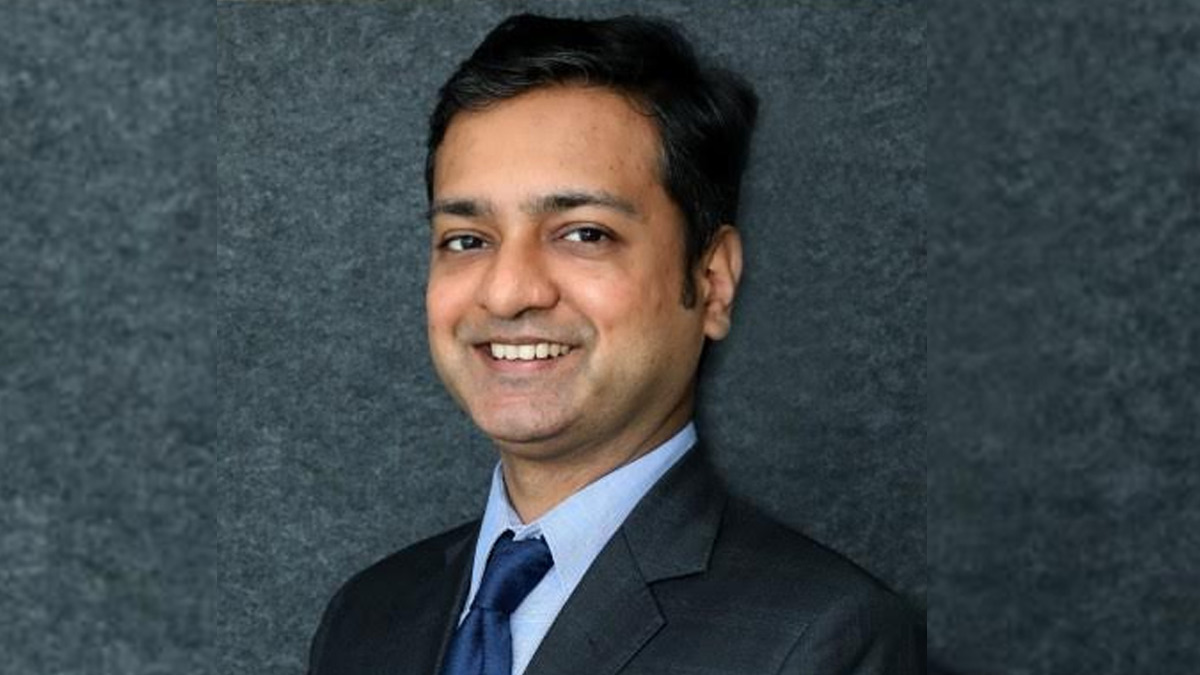
MUMBAI: Emami Limited has appointed Dhruv Aggarwal as its chief growth officer, effective 25 March 2026, following the resignation of Giriraj Bagri.
Aggarwal joins the FMCG major from Bain & Company, where he most recently served as partner. With over two decades of experience across consulting and strategy, he brings a global perspective shaped by work across India, the US, the UK and Germany.
During his tenure at Bain, Aggarwal advised consumer, retail and media companies on large-scale transformations, business turnarounds and growth strategies. He was also closely involved with India’s startup ecosystem, guiding early-stage ventures on scaling and digital expansion, while supporting private equity and venture capital firms on investment decisions.
His earlier stints include a brief role at Barclays Capital and operational experience at Jindal Power, giving him a mix of financial and industry exposure.
Academically, Aggarwal holds an MBA from Indian Institute of Management Bangalore and has also been associated with University of Illinois Urbana-Champaign as a PhD candidate and teaching assistant.
The appointment comes at a time when Emami Limited is looking to sharpen its growth strategy in a competitive consumer market. With a seasoned strategist now at the helm of growth, the company appears set to double down on transformation and expansion in the months ahead.








