Above The Line
Akshay Kumar’s Dollar TVC crosses 1.5 million views on Youtube


NEW DELHI: Bollywood actor Akshay Kumar’s new Dollar TVC has crossed 1.5 million views on Youtube. As per Dollar’s Facebook page updated on 5 May, the ad had crossed 1 million (10 lakh) page views within 10 days.
In the ad, Akshay, the brand ambassador of the Indian hosiery major, showcases different stunts highlighting fitness and flexibility in the fifth television commercial issued by Dollar Industries Limited. Dollar has commenced a 360-degree advertising campaign across print, electronic, outdoor and online media to promote the new commercial.
“The association with Akshay Kumar has created the perfect brand image for our company and it has been a journey worth mentioning. In this period our company has witnessed exponential growth in terms of sales, customer base, dealer distribution network and has become one of the most popular hosiery brands of the country. This is our fifth TV commercial with him and we are very confident that the commercial will have an instant connect with the audience, said Dollar Industries Ltd managing director Vinod Gupta.

Acclaimed international ad filmmaker Andzei Matsukevits has directed the commercial. Sainath Saraban, who was earlier working as the creative head of Leo Brunnet has scripted the TVC.
Dollar Industries Limited believes that with Akshay becoming the face of Dollar, the brand’s products have received widespread acceptance across millions of homes in India and abroad.
“The concept of the TVC is catchy and in the same line of humour and using your brain. I am delighted that the company is growing day by day, flourishing each fiscal,” said the brand ambassador.
“Dollar as a brand always believes in having a fit body and a fearless mind. And the new TV commercial is a reflection of this belief”, added Gupta.
The growth of the company is on an upswing with annual growth rates averaging more than 18 percent year-on-year.
TVC story in brief
Akshay Kumar wearing a Dollar vest has been seen as a mix martial art specialist in the TVC, practicing with Winchu Wooden stand and suddenly challenged by a goon. The brand ambassador used a witty trick and won the fight without even touching him. The TVC ends up with the tagline “Jiske Collar Ke Niche Dollar Hota Hain, Usse Panga Nehi Lete Hain”.






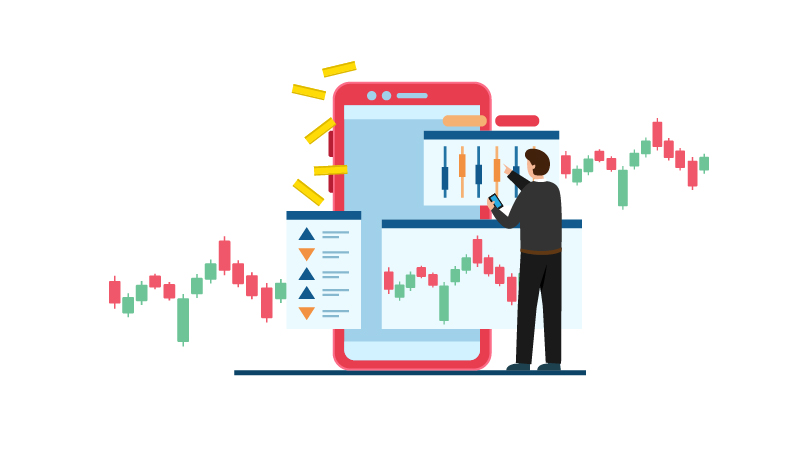
Open Interest plays a simple but important role in the futures and options market. It shows how many outstanding contracts are active at any moment. Traders often rely on it to understand market strength and possible trend direction. When you compare Nifty OI Data with Bank Nifty OI Data, you get a clearer view of how the broader market and the banking sector behave. Both indices move differently, and their OI patterns reveal useful clues that help traders stay ahead.
Why Open Interest Matters
Open Interest shows whether money is entering or leaving the market. It also helps traders judge whether a trend has real strength. Prices may rise sharply, but if OI does not support the move, the rally often fades. Many beginners focus only on price, but OI adds a second layer of understanding. It gives a more complete picture of market sentiment and participation.
OI rises when new contracts are created. It falls when contracts are closed. This simple behaviour makes it a reliable indicator. It does not predict the market, but it provides context that can support better decision-making.
How Nifty OI Data Works
Nifty represents the broader market. It has a mix of sectors. Its OI behaviour usually reflects the mood of the entire economy. When Nifty OI Data rises with price, it suggests strong momentum. When both fall together, the market is losing interest. If Nifty rises but OI falls, traders may be covering shorts rather than building new positions. This situation often creates confusion, but it also warns traders to be careful.
The Nifty tends to move steadily. Its OI patterns are slower, and they often react to global trends. Many traders watch these levels every day because they help track market direction without relying only on price action.
How Bank Nifty OI Data Works
Bank Nifty focuses only on the banking sector. It moves faster and reacts naturally to interest rates, economic signals and liquidity conditions. Bank Nifty OI Data changes quickly, and this volatility gives traders early signals. A sudden spike in OI with a sharp price movement usually shows aggressive positions. Bank Nifty often leads the market because banking activity strongly influences economic growth.
When Bank Nifty price rises along with OI, traders usually expect more upside. When both fall together, the trend weakens. If the price drops and OI rises, short positions may be increasing. This behaviour is common in Bank Nifty, and it shows why its OI data is more sensitive than Nifty’s.
Difference Between Nifty OI Data and Bank Nifty OI Data
The two indices respond to different forces. Nifty reacts to broad economic conditions. Bank Nifty responds to sector-specific triggers. This makes their OI patterns unique. Traders get a deeper understanding of the market when they watch both.
Here is a simple comparison:

This table shows how each index behaves. Nifty gives a calm picture. Bank Nifty provides sharper signals. Many traders use both to balance their market view.
How Traders Use OI in Real Trading
Traders combine OI with price action. They also track key strike levels with heavy open interest. When those levels shift, the market often makes a move. For example, sudden changes at important support or resistance levels can guide intraday and positional strategies. Traders often stay alert when OI builds near round numbers because large participants prefer these zones.
OI also helps identify whether a breakout is real. When price breaks an important level and OI rises, the move usually lasts longer. Breakouts with falling OI are less reliable. Both Nifty and Bank Nifty show these behaviours, but Bank Nifty displays them more sharply.
When to Trust OI Signals
OI is useful, but it works best with price strength. Traders should confirm patterns before acting. A strong trend with weak OI may reverse without warning. A weak trend with strong OI may surprise traders with a sudden expansion. Market news can also create temporary spikes.
Using Nifty and Bank Nifty OI together keeps traders prepared. When both align, market direction becomes clearer. When they differ, the market may move sideways or shift soon.
Conclusion
Nifty OI Data and Bank Nifty OI Data offer valuable insights into market sentiment. They help traders judge the strength of trends and understand where money is flowing. Nifty brings stability. Bank Nifty brings speed. Together, they form a balanced view of the market. Traders who read OI carefully gain confidence and make more informed choices.
If you track these OI patterns regularly, you will understand the market better and respond more effectively to changes.






