MAM
Advertisements on state-owned buses banned during Elections


NEW DELHI: The Election Commission (EC) has banned the display of political advertisements on State Road Transport Corporation buses and vehicles owned by Municipal Corporations etc, and other government owned vehicles when the Model Code of Conduct is in force for State Assembly or Legislative Council elections.
The Commission, which has already banned such advertisements through hoardings and posters, said “it wanted a level-playing field for all parties since state-owned buses or the corporations were necessarily run by the ruling parties.”

It also added that the action was taken after having duly considered all aspects of the matter in exercise of its powers under Article 324 (1) of the Constitution, and in the interest of conduct of free and fair elections.
The Commission’s circular letter of 7 October 2008 contains the instructions and guidelines to be followed in the matter of display of election related advertisements through hoardings, banners, posters etc. It mainly deala with advertisements on static property and regarding display of flags and stickers on private vehicles.
It can also be noted that there may be cases where advertisement-panels on buses are let out to advertising agencies for allocation to various clients during certain periods as per the contract entered into by them.
EC also stressed that a level playing field envisaged under the Model Code of Conduct is a very vital aspect for ensuring free and fair elections. “A party should not be in a position to take undue advantage on account of it being in power in the government. This will put the other parties and contestants at a disadvantageous position and will disturb the level playing field, adversely affecting the fairness of election.”
“There is reasonable likelihood that the allotment of advertisement spaces on such vehicles is likely to be manipulated more so in politically important constituencies and as such it will not be easy to ensure equitable distribution of advertisement space on the buses,” the Commission concluded.






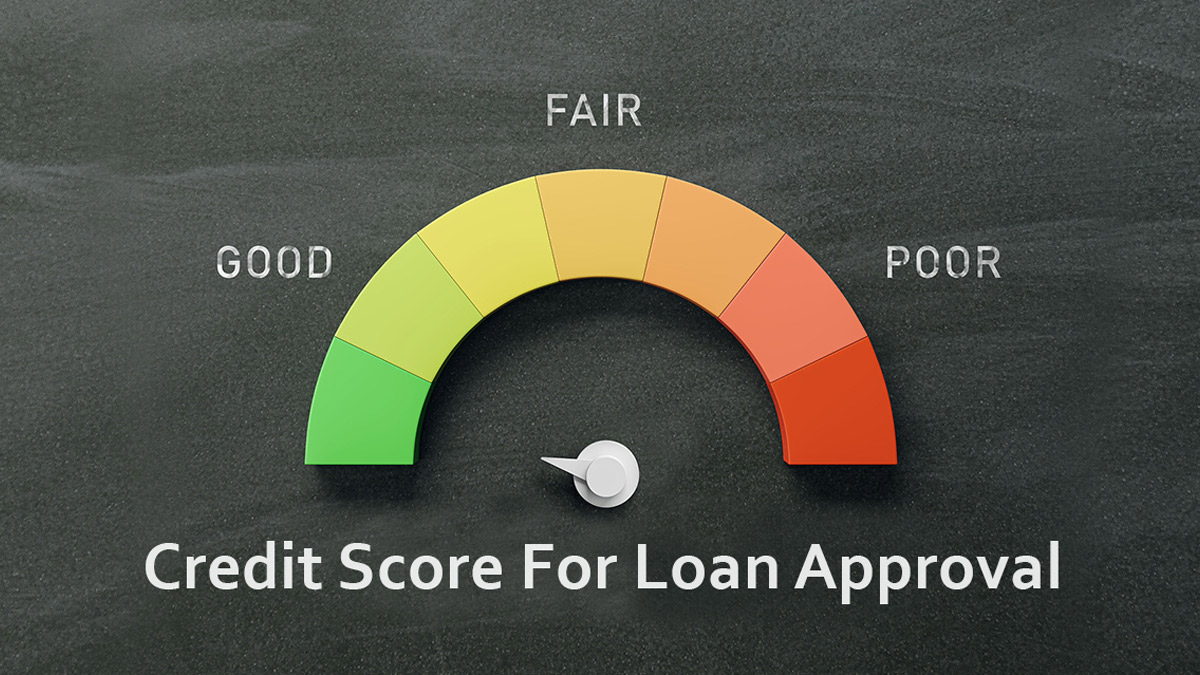
When you plan to apply for a personal loan, one of the first things that comes into focus is your credit score. Many people hear about it but may not fully understand how much influence it actually has on the application process. In simple terms, a credit score reflects how responsibly you have managed credit in the past.
It acts as a snapshot of your financial behaviour over time. This score plays an essential role in deciding personal loan eligibility and how smoothly the application moves forward. Being aware of how your credit score impacts the process can help you prepare well before applying for a personal loan.
Below are a few ways your credit score can influence personal loan approval.
1. It plays a key role in personal loan eligibility
Your credit score is often one of the primary indicators used to evaluate personal loan eligibility. A strong score of usually 750 and above reflects a history of paying dues on time and managing credit responsibly. This financial track record helps show reliability when applying for a personal loan.
On the other hand, a lower credit score might indicate missed payments or higher credit usage in the past. Because of this, the credit score becomes an important starting point in assessing whether an applicant meets the basic eligibility conditions.
2. It reflects your repayment behaviour
Your credit score is built from your previous financial behaviour, particularly how consistently you repay borrowed money. Timely payments on credit cards, loans, and other credit facilities contribute positively to the score.
When your repayment record shows consistency, it suggests that you manage financial commitments in a responsible manner. This positive history can support your personal loan eligibility and make the loan application procedure smoother.
3. It may influence loan terms
A good credit score does not just help with loan eligibility; it can also influence the overall terms linked with a personal loan. Applicants with stronger credit profiles might find that the available options are more flexible.
Since the credit score reflects financial reliability, it can shape how the loan structure is offered, including aspects such as repayment tenure or borrowing limits. Maintaining a healthy credit score, therefore, plays a vital role in shaping the borrowing experience.
4. It affects the speed of the approval process
Applications supported by a strong credit score often move through the process more smoothly. When your credit history clearly shows responsible credit usage, fewer clarifications may be required during the evaluation stage.
This can help speed up the approval timeline for a personal loan. In contrast, if the credit history contains irregularities or gaps, the review process may take longer, as additional checks may be required.
5. It encourages responsible financial habits
One of the most valuable aspects of a credit score is that it encourages responsible financial behaviour. Being aware that repayment history directly influences personal loan eligibility often encourages individuals to manage their credit more responsibly.
Simple habits such as paying dues on time, avoiding excessive borrowing, and maintaining balanced credit usage can gradually improve the score. Over time, these habits build a strong financial profile that supports future borrowing needs.
Ending note
A credit score may seem like just a number, but it carries significant weight when applying for a personal loan. It reflects your financial discipline, repayment history, and overall credit management.
By maintaining good credit habits, you not only strengthen your personal loan eligibility but also make the borrowing process smoother and more predictable. In the long run, a healthy credit score becomes more than a requirement; it becomes a reflection of consistent and thoughtful financial management.






