MAM
ACC hopes to seal Asia Cup sponsors by week’s end

MUMBAI: The Asian Cricket Council (ACC), which last Wednesday formalised a deal with Sri Lanka to host the six-nation Asian Cup, has said it hopes to finalise television rights and sponsors by the end of the week.
Sri Lankan media reports have quoted Indian cricket board chief and senior ACC official Jagmohan Dalmiya as saying they were hoping to offer the tournament, due to run from 16 July to 1 August, as a “one-off” to sponsors.
The last Asian Cup was held four years ago. “It is possible and we are looking at how we can get time slots to have the tournament every two years,” Dalmiya told reporters in Colombo after talks last week with Sri Lanka’s Prime Minister Mahinda Rajapakse. The ACC aims to stage the Asia Cup every two years and accordingly to have longer-term sponsorship deals for future tournaments.
Queried over the weekend as to whether he would be bidding, SET India CEO Kunal Dasgupta said Sony had not been approached but if approached would bid.

According to the information available with indiantelevision.com, Ten Sports as well as ESPN Star Sports would also be bidding for the telecast rights.
A sore point of course would be on the exclusivity part of the deal. With all the problems that “exclusive” rights holder Ten Sports had vis-a-vis national broadcaster Doordarshan awaiting the Supreme court’s verdict, it would be expected that all three bidders would use that as a negotiating ploy with which to bring down the rights costs.
Sources close to the developments say DD has already written to the ACC expressing their interest in the rights. In the light of this the Asia Cup might well prove a test case as to how future tournaments involving India play out on the telecast bidding front.
Interestingly, ESPN Star Sports, on its publicity material issued at the start of the year, had mentioned the Asia Cup as one of the tournaments on its roster where India would be participating.



MAM
Crocs and Lego launch new collaborative collection in India
Iconic brands bring playful creativity to footwear with first drop on 13 April 2026.
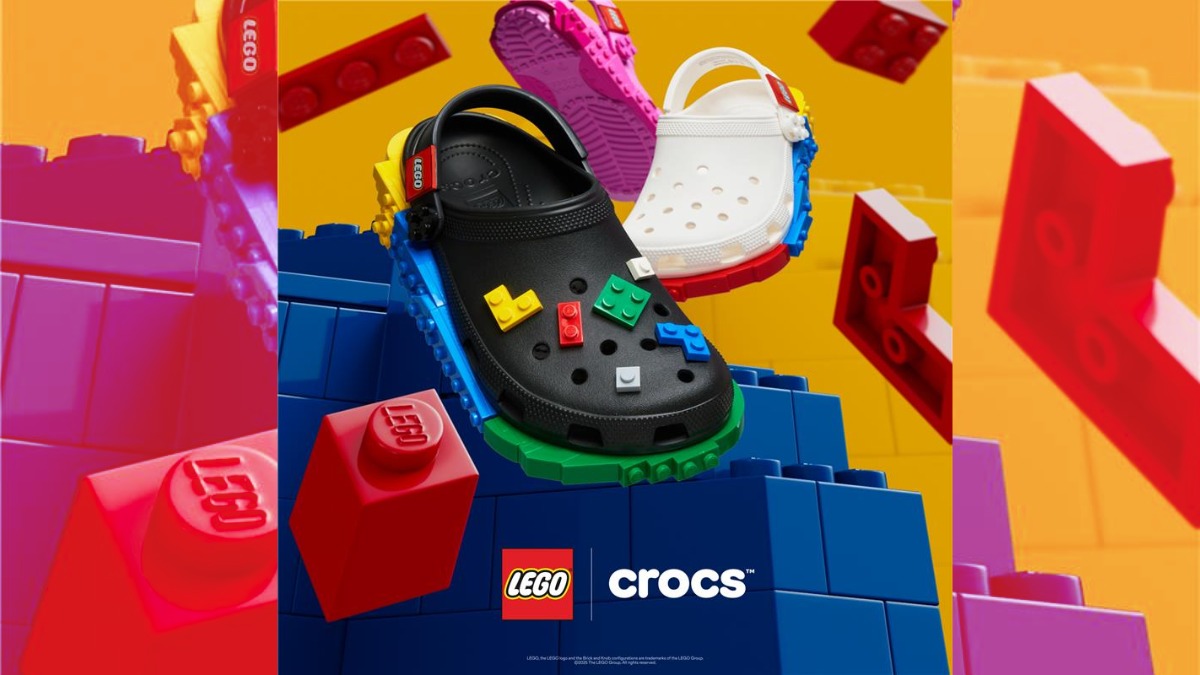
MUMBAI: Crocs and Lego have clicked together once again and this time, the bricks are heading straight for Indian feet. The global footwear brand Crocs has announced the India launch of its latest Crocs x Lego Group collection, following the excitement of their multi-year global partnership unveiled earlier this year. The collaboration celebrates creativity, play, and individuality, merging Crocs’ signature comfort with Lego’s iconic building-block spirit.
The collection will roll out in two phases. A digital-exclusive pre-launch begins on 13 April 2026 on crocs.in, featuring four styles: the Lego Masterbrand Creativity Clog, Lego Midnight Garden Creativity Clog, Lego Creativity Clog, and Kids’ Lego Creativity Clog. Each pair purchased during this phase will include an exclusive Lego minifigure as a collectible bonus.
From May 2026, the full collection will be available across select Crocs stores, VegNonVeg, and Foot Locker outlets nationwide.
The designs playfully blend Crocs’ classic clog silhouette with Lego brick-inspired details, complete with custom Jibbitz charms on the upper and sole. The collection encourages wearers to treat their footwear as a canvas for personal expression, without any set instructions just an open invitation to build, explore, and have fun.
Crocs chief marketing officer Carly Gomez said, “The Lego Group’s boundless imagination makes them the perfect match to Crocs’ wonderfully unordinary spirit. We are both brands that pride ourselves on being built different, celebrating self-expression and fuelling creativity.”
LEGO Group, head of licensing & extended line design & partnerships Satwik Saraswati added, “Our common mission to enable self-expression and wear it with pride only marks the beginning of a journey with endless possibilities.”
The campaign will extend beyond the product launch through creator-led seeding, elevated visual merchandising, and exclusive on-ground previews, supported by a deeper partnership with the Lego India team.
In a market that loves both comfort and fun, Crocs and Lego have built something special, a collection that lets every step feel like playtime. Get ready to click your heels (or rather, your clogs) because this collaboration is set to be a blockbuster hit with Indian fans.