MAM
Aakash Education pushes ANTHE with a new spot

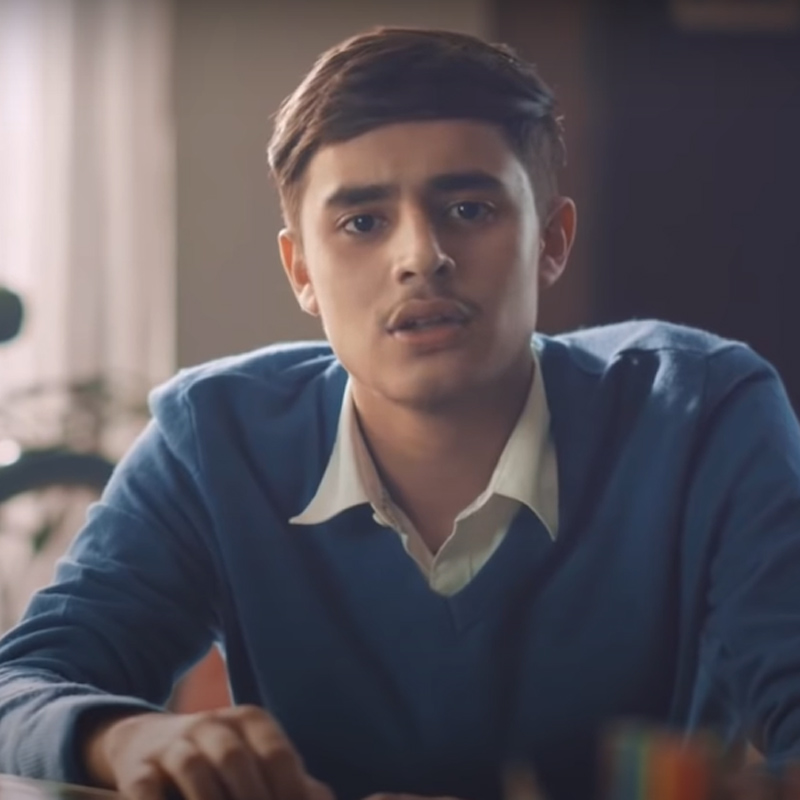
MUMBAI: Aakash Educational Services has launched a new TV commercial on its flagship national scholarship exam, Aakash National Talent Hunt Exam (ANTHE 2020), on all major channels across languages in the country.
With the launch of this campaign, Aakash aims at inviting students to enroll themselves in ANTHE, which gives deserving students an opportunity to earn up to 100 per cent scholarship and helps them take the first step in their endeavour to become doctors and engineers. Students studying in class 7 to 12 can enroll for the exam.
<iframe width=”100%” height=”315″ src=”https://www.youtube.com/embed/t1IuiE47pnM” frameborder=”0″ allow=”accelerometer; autoplay; clipboard-write; encrypted-media; gyroscope; picture-in-picture” allowfullscreen></iframe>

The objective of the TVC is to build brand awareness, besides supporting retail marketing to drive consumer traffic. The TVC will be supported with a pan-India print campaign as well.
Made in 40 and 20 second edits, the ad highlights that ANTHE this year will be conducted online as well, addressing the challenges and issues posed due to the ongoing pandemic. By taking the examination online, it will help stellar students from smaller towns and cities be a part of it.
The TVC shows a young boy encouraging others to understand the significance of appearing for the nationwide scholarship exam. The campaign focuses on how, despite the ongoing uncertainties, one should not deter from striving for success and Aakash is taking every possible step to make the examination smooth and hassle-free for the aspirants.
AESL MD Aakash Chaudhry said, “The campaign will be aired on TV as well on digital m channels, which will not only give it a mass outreach but will also help in engaging with students on the online platform.”
The brand has been regularly advertising with its call to action ads as well as brand campaigns across the mediums. It has also worked with celebrities such as Yuvraj Singh to cut across the audiences and send the message. The brand operates in a very competitive market which has several players like it who are offering similar services.





Digital
OpenAI’s Stargate lead Peter Hoeschele exits with two senior leaders
Trio behind compute push set to join new startup amid leadership reshuffle
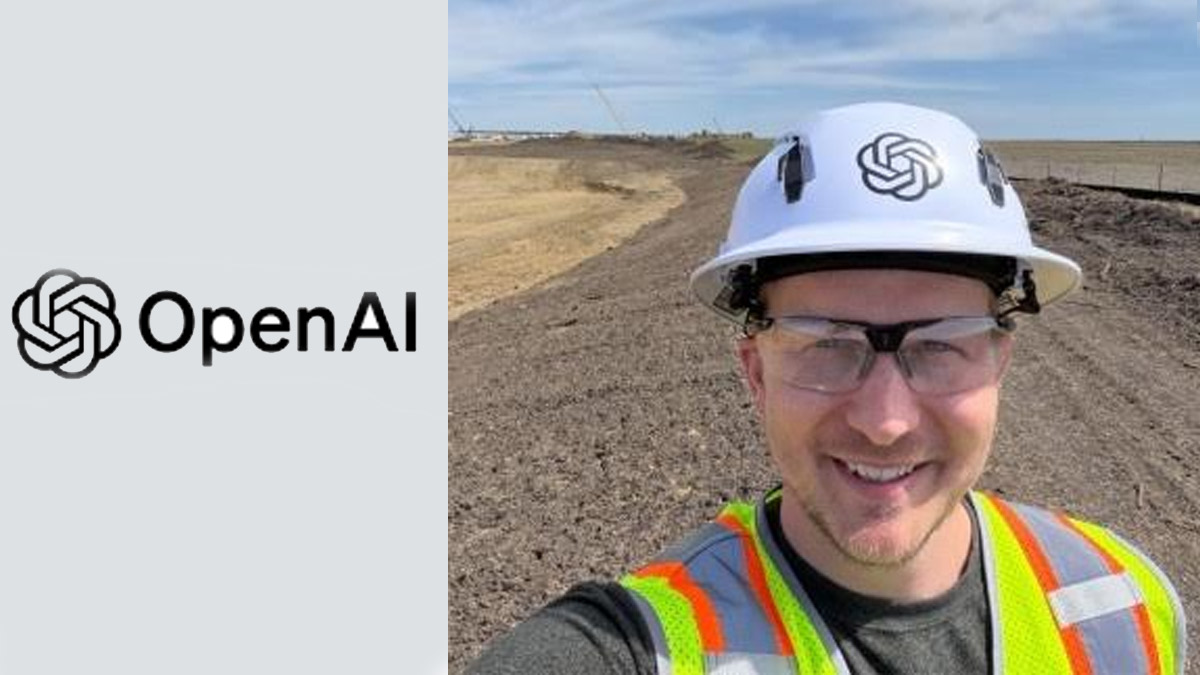
SAN FRANCISCO: Peter Hoeschele, a key figure behind OpenAI’s early Stargate data centre initiative, has exited the company, according to a report by The Information.
The departure is part of a broader leadership shift, with two other senior executives, Shamez Hemani and Anuj Saharan, also set to leave in the coming days. All three are expected to join the same new startup, although details about the venture remain under wraps.
The trio played a central role in OpenAI’s Stargate effort, an initiative aimed at building large-scale data centre capacity in-house to reduce reliance on external infrastructure providers. Their exits mark a notable moment for the company’s compute strategy as it continues to scale rapidly.
OpenAI spokesperson said in a statement to The Information, “We’re grateful for the contributions Peter, Shamez, and Anuj have made to OpenAI and wish them the very best in what comes next.” The company also pointed to the recent appointment of Sachin Katti to lead its industrial compute organisation, signalling continuity in its infrastructure roadmap.
OpenAI has indicated that it does not plan to directly replace Hoeschele’s role, suggesting a possible restructuring of responsibilities within the team.
As competition intensifies in the race to build next-generation AI systems, leadership changes in core infrastructure teams are likely to draw close attention. For now, the spotlight shifts to what this departing trio builds next, and how OpenAI adapts as it scales its ambitions.






