MAM
97% Indians have increased their monthly spends on content: Dolby

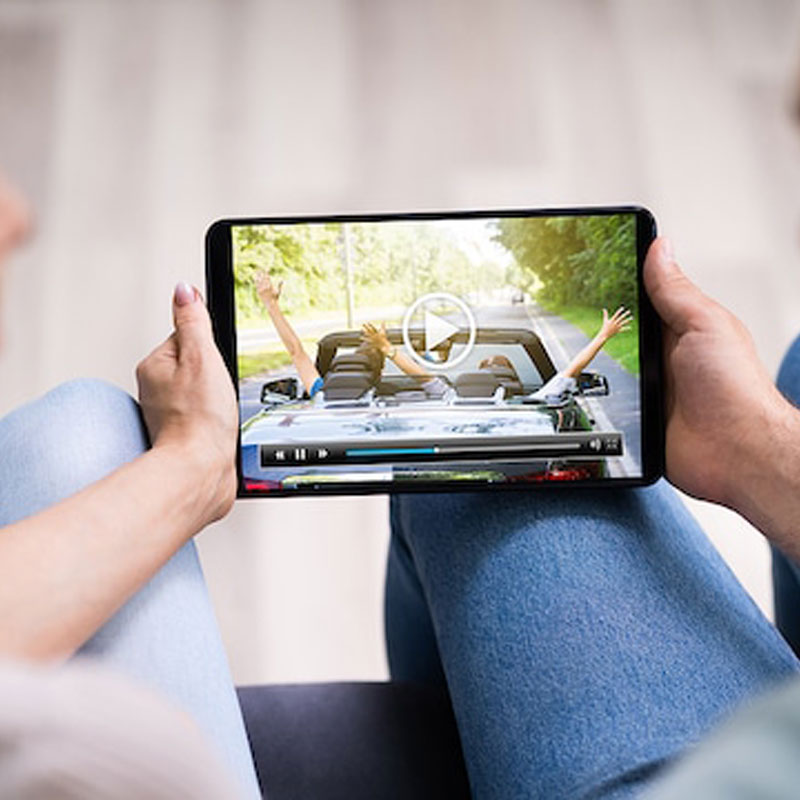
New-Delhi: Today, Dolby Laboratories, Inc. (NYSE: DLB), a leader in immersive entertainment experiences, released findings from a new global study illustrating a significant shift in consumer entertainment behaviour in India. The new homebound work and leisure economy has led to a sky-rocketing demand for new and quality content and for better devices. As per a new global consumer study by Wakefield Research conducted in four countries for Dolby, Indian consumers are now prioritizing and seeking better experiences possibly driven by long hours spent at home. Indian consumers are spending more on quality in order to better connect with content—and to connect with each other.
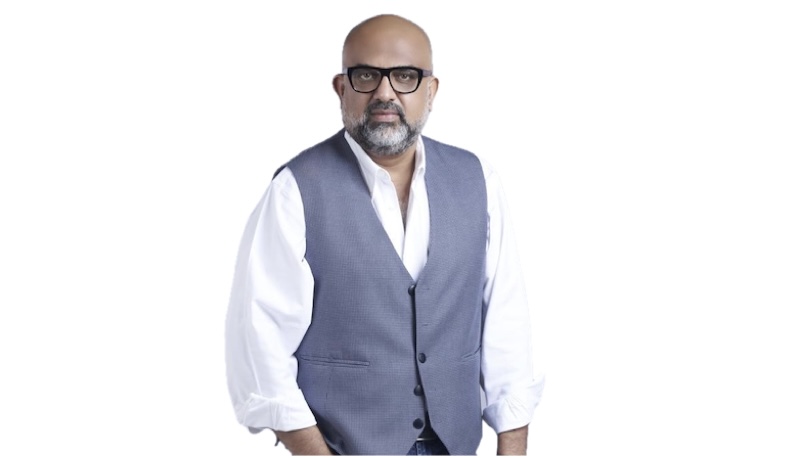
“Despite all of the challenges of this past year, this study has illustrated the power of entertainment in bringing us together with those that are most important to us,” Dolby Laboratories MD emerging markets Pankaj Kedia “We take great pride in creating more immersive experiences through our technologies and see the significant growth of Dolby Vision and Dolby Atmos as proof that consumers are seeking these experiences as well.”
Wakefield Research senior partner Nathan Richter said, “We are all confined and what better way to use this time than to bond with friends and family, both in-person and virtually. People love entertainment and there is an exponential rise in demand for quality content that can be enjoyed in the comfort of one’s home. People recognize that high quality sound and visual experiences have a huge impact and make viewing more exciting. More than that, it enhances the entertainment experience and helps people to better connect during these challenging times.”

The Wakefield study on ‘Quality Time is Quality Picture and Sound’ highlights shifting consumer patterns for content consumption. It throws light on their preferences and the willingness to invest in premium quality content and in devices andto be able to have an enhanced audio and visual experience that is helping increase family bonding time.
The India leg of the study conducted across six cities, including New-Delhi, Mumbai, Chennai, Kolkata, Hyderabad and Ahmedabad, was aimed at understanding the changing content consumption habits during the pandemic. The study cuts across generational breaks and includes the voice of Gen Z, Millennials, Gen X & Boomers.
Here are some of the most interesting study findings:
· Contented by Content-COVID-19 has driven many Indians to use entertainment as a way of unwinding, including 66 per cent of Indian respondents saying they use it as an opportunity to relax and 60 per cent saying they find it as a good social experience of watching with others.
· Ripped from the Headlines-Current events can drive viewers to entertainment and even alter their choices. This includes 92 per cent respondents in India, who said the news impacts what they watch.
·Investing in the Experience-. The study shows that consumers are spending more on quality in order to better connect with content—and connect with each other.Compared to the start of the year-
• 97 per cent of Indian respondents have increased their monthly spends on content by 48 per cent on an average compared to the start of the year
• 88 per cent of Indians respondents have in the past six months already invested in upgrading their streaming services
• 96 per cent Indian respondents plan to upgradetheir entertainment equipment in the next 6 months
• Equipment upgrades include better mobile devices. In India, 61 per cent respondents plan to upgrade their mobile device to improve their viewing experience
· Worth It- Consumers connect with their content better with enhanced picture and sound quality. 94 per cent Indian respondents would pay more for a premium subscription to receive enhanced picture and sound quality
· Broadened Horizons- As consumers stayed at home with more time to watch, many consumers got into a genre of content they had not consumed before
• 95 per cent Indian respondents got into new types of content they didn’t watch before
• Those engaging with new types of content had a wide variety to pick from. In India, streaming live music events lead popular new content (50 per cent), followed by comedy (48 per cent), video game streaming (46 per cent) & DIY videos (45 per cent).
· Multiple ways to Watch- In India, 29 per cent say their smartphone is their primary entertainment device. This is followed by 22 per cent who say television and 20 per cent who say computer.
· Smaller Screens, Higher Quality- Consumers are particularly interested in enhanced picture and sound quality for watching movies and TV shows. In India, 49 per cent respondents rank movies as one of their top-two forms of entertainment that merit enhanced quality.
· Work Hard, Play Hard- With work now requiring video conferencing, many are “borrowing” that tech for personal purposes. In India, 92 per cent respondents are using work video applications for social purposes, including 80 per cent who do so often or all the time.
· First Time for Everything- In India, 65 per cent respondents of those who engaged in live-chat while watching streaming videos did so for the first time.
At Dolby, we are committed to bringing premium, immersive experiences to as many people as possible. Just in the last year, the adoption of Dolby Vision and Dolby Atmos in the home has been widespread. There are hundredsof millions of Dolby Vision and Dolby Atmos enabled devices in market from the world’s leading devicemanufacturers.
As this study shows, the drive for better experiences doesn’t stop at devices. Content adoption is also growing rapidly, completing the ecosystem that we have been building through global partnerships with leading streaming services that continue to release their top shows and films in Dolby technology every month.
“Ultimately, we expect the desire for more human connection to continue in the future and immersive experiences can help fulfil this demand,” added Kedia. “Just as entertainment drives cultural conversation, that same conversation drives the connection across the globe, and we are seeing connections grow stronger every day through elevated entertainment experiences.”



MAM
Joy Personal Care rolls out Ubtan Face Wash TVC with Shah Rukh Khan
New film pairs star power with simple skincare pitch for summer glow

MUMBAI: Joy Personal Care has unveiled a new television commercial for its Ubtan Face Wash, bringing together Shah Rukh Khan and Sanya Malhotra in a light-hearted campaign aimed at simplifying everyday skincare choices.
The film, which marks the product’s television debut, is set in a retail environment where Malhotra is seen navigating a shelf full of options before Khan steps in with his trademark charm to offer a fuss-free solution. The narrative leans on humour and relatability, turning a routine purchase into a playful exchange.
At its core, the campaign promotes the brand’s ubtan-based formulation, which blends traditional ingredients such as turmeric, saffron and sandalwood to address common summer concerns like tanning and dullness. The messaging keeps things simple, positioning the product as an easy addition to daily routines rather than a complicated skincare step.
RSH Global co-founder and chairman Sunil Agarwal said, “As summer sets in and exposure to sun and heat intensifies, skincare concerns like tan and dullness become more pronounced. Consumers today are looking for solutions that deliver visible results while remaining easy to incorporate into daily routines.”
Echoing the consumer-first approach, RSH Global chief marketing officer Poulomi Roy said, “Through this campaign, we have brought that insight to life in a simple and engaging way, showing how Joy Ubtan Face Wash makes traditional skincare easy and effective. Shah Rukh Khan and Sanya Malhotra add relatability and charm, helping the product connect more strongly with audiences.”
Sharing his experience, Shah Rukh Khan said the campaign stood out for its simplicity and everyday appeal, while Sanya Malhotra highlighted the natural chemistry and playful tone of the shoot.
The campaign will be amplified across television, digital and social platforms, signalling a wider push as the brand looks to strengthen its position in the competitive face wash segment.
Part of RSH Global, Joy Personal Care continues to build visibility through celebrity-led campaigns and sports partnerships, including associations with Kolkata Knight Riders, Delhi Capitals and Gujarat Giants.
With familiar faces, a breezy storyline and a focus on everyday concerns, the latest campaign keeps things straightforward. In a crowded skincare aisle, sometimes the easiest answer is also the most effective one.






