MAM
90 per cent of Indian kids want to be famous – IMRB study

MUMBAI: The latest BRANDchild research conducted by Millward Brown and IMRB, shows that pester power is spreading its tentacles far and wider than previously thought. Millward Brown marketing and business development director Jamie Lord and IMRB senior vice president Neerja Wable presented the highlights of the just released study at the Kid Marketing Forum held in Mumbai on Tuesday.
The key findings include
· pester power is merely the tip of the iceberg. The influence extends more than has been assumed thus far.
· Kids and adults form a relationship with a brand in much the same way.
· Kids’ influence decision making on categories beyond those just meant for ‘kids’
By 2030, in the markets studied, there will be 800 million tweens. BRANDchild research shows that six in 10 kids pester an average of nine times even after the parents say ‘no’ to a particular request.

Kids in the markets surveyed view an average of 20,000 every year, and the heartening aspect of this for advertisers and media planners is that most of these are affluent, there are more of them than in the past and their lifetime spends are going to be huge.
“A good product is not enough,” reasons Jamie Lord, “It is tapping the emotional need that provides the bond.”
The data for the study, culled over five years after interviewing 100,000 kids every year across 35 markets in the Asia Pacific, including cities like Sydney, Hong Kong, Tokyo, Manila and Mumbai threw up some interesting findings.
· Recognition of corporate logos happens at the age of six months
· Brand name requests begin by the age of three years
· Differentiating between brand values happens by the age of 10
· Brand loyalty begins by the age of 11
The study, undertaken among children belonging to the SEC A and SEC B classes, however made a pertinent conclusion. Kids are 40 per cent loyal to brands than adults. Brand loyalty, says Lord, increases sharply from age 10 and declines irreversibly after age 40. The study also noticed fundamental shifts in brand attitudes over two years, noticing that 51 per cent of kids are changing their relationship with brands in two years.
Across markets, the study found that peer pressure is a great driver of brand loyalty. The percentage is as high as 81 per cent in countries like India and China, followed by Germany at 71 per cent. While analysing attitudes, the study found that ‘being safe’ ranked higher than ‘having fun’ , with 92 per cent of Indian kids opting for ‘being safe’ as against 86 per cent who prefer ‘having fun’.
Tweens also differ in other attitudes across countries. In India, kids rated deference to customs and traditions at a high 80 per cent, followed by ‘being important’ at 73 per cent and ‘being better than others’ at 66 per cent. Indian tweens, notes IMRB India vice president Neerja Wable, are more creative, optimistic and fashion conscious leaders of the future, as compared to their counterparts overseas. “90 per cent of them want to be famous, as against 60 per cent of US kids who express similar views. 92 per cent of Indian kids are keen on inventing and creating new things, and an enthusiastic 80 per cent look forward to growing up.
Interestingly, in two out of three categories, kids and adults tended to bond to the same brand. The degree of bonding is however less intense in children than in adults.
Wable says that while kids do influence purchase decisions of products they use, 58 per cent of kids globally said that their parents ask their opinion before making a decision on a non-kid category too. Wable points out that this holds true even in rural India where often, the child is the only literate member on whom the family relies for information. The study shows that in India, bonding with adult categories is on the rise with 71 per cent of Indian kids saying they influence their parents’ decision when buying a car.
Globally, the study shows, nine out of 10 urban tweens love to watch TV, have a TV set in their bedroom and that the television is a major source of information for motor vehicles. One out of every kids would rather read a magazine than watch TV, 46 per cent love surfing the Internet and only 12 per cent have their own mobile phones. In India, the numbers are lower, but the direction is the same. Nine of 10 Indian kids love watching TV, one of five kids have their own TV and one of three kids would rather read a magazine than watch TV.




Brands
Boeing appoints Barun as head of FP&A for global engineering function
Seasoned finance leader to steer budgets and strategy across global centres
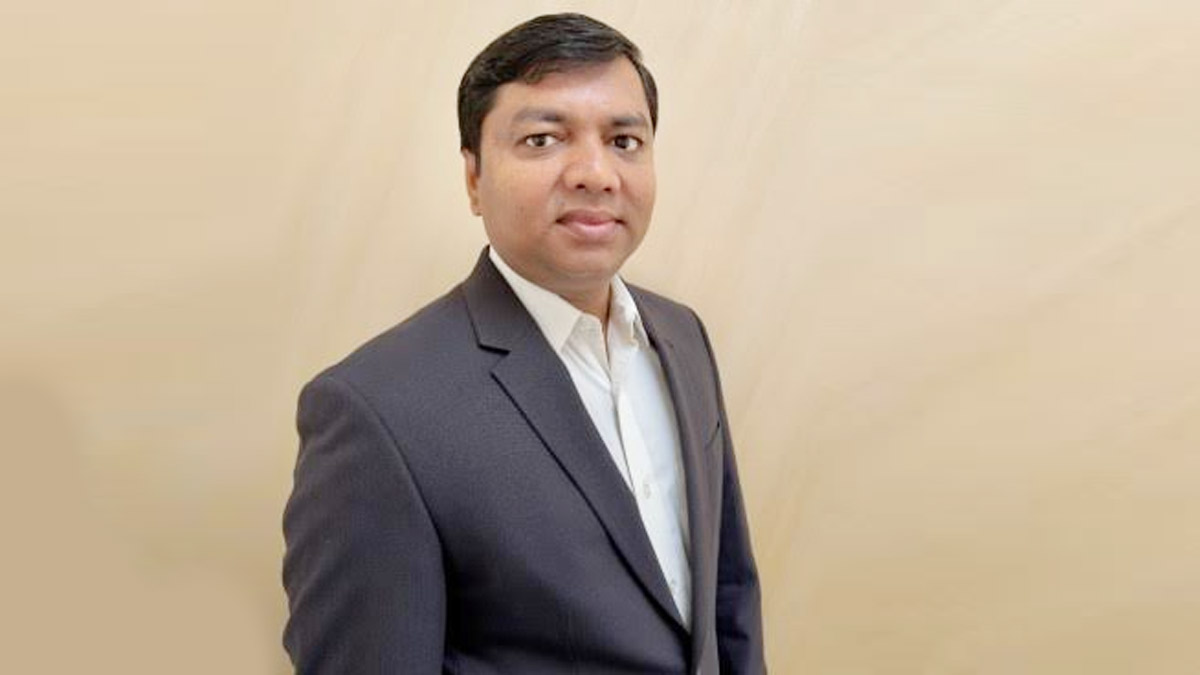
BENGALURU: Boeing’s finance cockpit has a new pilot, and he is no stranger to turbulence or transformation. Boeing has appointed Barun as head of FP&A for global engineering, placing him at the centre of financial strategy for its worldwide engineering and technology operations.
Based in Bengaluru, Barun steps into a role that is as expansive as it is critical. He will serve as the primary finance lead for Boeing’s Engineering and Technology Centers globally, working closely with executive leadership to shape financial decisions, manage complex budgets, and design scalable finance processes that support the company’s growing engineering footprint.
In a note announcing his move Barun said, “I’m excited to share that I’ve joined Boeing Global Engineering. This opportunity is incredibly meaningful to me not just from a professional standpoint, but also for what Boeing represents globally.” He added that he looks forward to contributing to an organisation that continues to shape the future of aerospace and innovation.
Barun’s mandate spans strategic financial leadership, operational oversight, and stakeholder engagement. From directing large-scale budgets and schedules to influencing long-term organisational goals, the role blends financial discipline with business foresight. He will also lead cross-functional teams and partner with finance colleagues worldwide to support engineering programmes across geographies, including India.
The appointment caps a long stint at Juniper Networks, where Barun spent over a decade, most recently as finance senior manager. There, he led FP&A for global product business units and G&A functions, driving budgeting, forecasting, and long-range planning. He also played a key role in enterprise-wide transformation, including spearheading an Oracle to SAP ERP migration and building advanced analytics capabilities using tools such as Tableau and SAP Analytics Cloud.
His earlier career includes finance leadership roles at Sony India Software Centre, Cognizant Technology Solutions, and Mphasis, where he focused on financial planning, governance frameworks, and operational efficiency across global delivery centres.
A chartered accountant from the Institute of Chartered Accountants of India, Barun brings nearly two decades of experience across financial planning, digital transformation, and analytics-led decision making.
His appointment comes at a time when global engineering operations are becoming increasingly complex and distributed, requiring sharper financial oversight and agile planning. With Barun at the helm of FP&A for engineering, Boeing appears to be tightening its financial playbook as it looks to scale innovation with discipline.






