MAM
9 Monsoon Car Care Tips Every Indian Driver Should Follow


Every year, as the first raindrops hit the Indian roads, drivers breathed relief from the summer heat. But soon after, a familiar set of challenges – waterlogged streets, reduced visibility, slippery roads, and unexpected mechanical issues.
While refreshing, the monsoon season can be quite demanding for both cars and drivers. Whether navigating Mumbai’s congested lanes or cruising through the outskirts of Bengaluru, preparing your car for the rainy season is essential.
Here’s a practical guide to monsoon car care every Indian driver should follow, along with why a reliable car insurance policy becomes even more crucial when the skies open up.

9 Car Care Tips For Monsoon Season
1. Check Tyres for Grip and Condition
Your car’s tyres are the only point of contact with the road, and during monsoons, they need to be in top shape. Worn-out tyres with shallow tread depth increase the risk of aquaplaning—where the tyres lose contact with the road due to water—and significantly reduce grip.
Inspect the tread regularly. A minimum tread depth of 1.6mm is recommended, though 3mm is preferable for monsoon driving. Also, ensure the tyre pressure is maintained per the manufacturer’s specifications.
2. Wiper Blades and Washer Fluid
Visibility is everything during the rain. Yet, many drivers neglect their wiper blades until it’s too late. Check for signs of hardening, cracking, or streaks on the windscreen. Replace them if they’re more than a year old or show visible wear.
Also, top up the washer fluid with a cleaning solution that helps break down mud and grime—rain splashes can leave your windshield muddy and visibility poor in seconds.
3. Brake Efficiency Check
Monsoon driving demands reliable braking. If your brakes squeal, feel spongy, or don’t respond instantly, get them checked immediately.
Wet brake pads and discs can reduce efficiency, so it’s important to have them serviced regularly during the season. Additionally, ensure your car’s anti-lock braking system (ABS), if present, is functioning properly.
4. Importance of a Car Insurance
Even with the best care, monsoon accidents can happen. Slippery roads, poor visibility, falling branches, and water damage are all too common. That’s where a reliable car insurance policy steps in—not just as a legal formality, but as real peace of mind.
During unpredictable weather, having comprehensive car insurance becomes especially valuable. It doesn’t just cover third-party damage—it protects your own vehicle from natural calamities like floods, landslides, and storm damage. If your engine suffers from water ingress or your car is damaged while parked in a waterlogged area, a comprehensive car policy could cover the cost of repairs.
Opting for a comprehensive insurance policy with optional add-ons like engine protection or zero depreciation can make all the difference when an unexpected storm wreaks havoc.
5. Electrical Systems and Battery Care
Rainwater and faulty wiring do not mix well. Water ingress can cause short circuits, malfunctioning lights, or even battery failure. Ensure the battery terminals are clean and tightly secured, and check the wiring insulation throughout the vehicle.
All external lights, including headlights, tail lights, brake lights, and indicators, should be bright and fully functional.
6. Prevent Water Damage to Interiors
Wet shoes, umbrellas, and clothes can quickly make the car interior damp and musty. Use waterproof floor mats that are easy to remove and clean. Keeping silica gel sachets or small dehumidifier packets in the car can help prevent fogging and mould formation.
Regularly air out your car and clean the AC vents to avoid foul odours. Park in covered or elevated areas to prevent floodwater from entering the cabin or damaging your vehicle’s underbody when possible.
7. Body Protection and Undercoating
Monsoon moisture can accelerate rusting, especially on older vehicles. Getting an anti-rust underbody coating is a smart preventive step. It shields your car’s chassis from water and mud corrosion, particularly useful in cities where roads flood often.
Regularly wash off accumulated grime and use a water-repellent wax polish on the exterior. This keeps the paint fresh and allows rainwater to roll off more easily, improving visibility and aesthetic appeal.
To complement these physical precautions, suitable car insurance is equally essential during monsoons. Providers like Digit Insurance offer plans that include coverage for monsoon-specific risks such as waterlogging, flood damage, and weather-related accidents, providing added financial protection and peace of mind throughout the rainy season.
8. Emergency Kit Essentials
Driving in the rain can often lead to sudden delays or breakdowns. Keep a well-stocked emergency kit in your car, including a flashlight, extra fuses, power bank, jumper cables, a reflective warning triangle, and a basic first aid kit.
Also include a raincoat, umbrella, and a towel or absorbent cloth to deal with sudden water seepage.
9. Drive with Caution, Always
Lastly, remember that no matter how well-prepared your vehicle is, safe driving habits make all the difference. Avoid sudden braking, maintain a greater distance from the vehicle ahead, and drive at lower speeds. Avoid flooded roads whenever possible—even shallow-looking water can hide deep potholes or damage sensitive electronics.
Don’t use high-beam lights unnecessarily—they can reflect off rain and blind oncoming traffic. Instead, use fog lights or dipped beams to improve visibility without causing glare.
The Indian monsoon, though beautiful, is a test for every vehicle on the road. Preparing your car for the season is not just about preventing inconvenience—it’s about safety, reliability, and resilience.
Just as you shield your car physically, ensure it’s backed by the right protection. A comprehensive car insurance policy offers invaluable cover during unpredictable weather.
This season, don’t just drive—drive smart, stay safe, and prepare your car (and yourself) for the road ahead.




Brands
KKR sixes to power EV charger rollout under VIDA campaign
Cricket meets clean mobility as big hits spark India’s charging growth
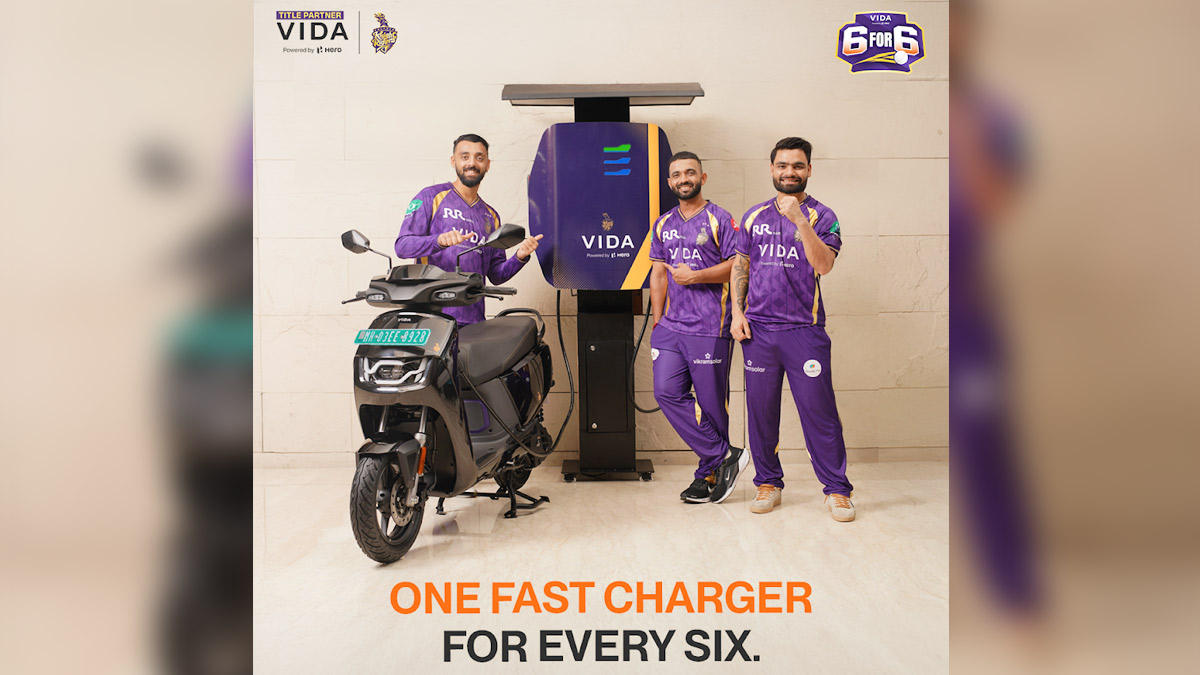
NEW DELHI: VIDA, the electric mobility arm of Hero MotoCorp, has teamed up with Kolkata Knight Riders to launch a campaign that turns cricketing flair into real-world impact.
Titled ‘6 for 6’, the initiative promises to install a 6kW fast EV charger for every six hit by KKR during the ongoing Indian Premier League season. The idea is simple but powerful, as each big hit on the field contributes directly to expanding India’s fast-charging infrastructure.
The campaign builds on VIDA’s growing network, which already spans over 5,300 fast-charging points across more than 430 cities. With EV adoption gaining pace, the brand is using cricket’s mass appeal to accelerate both awareness and infrastructure growth.
Explaining the thinking behind the move, Hero MotoCorp emerging mobility business unit chief business officer Kausalya Nandakumar said, “Cricket has an incredible ability to unite and inspire millions across the country. With the ‘6 for 6’ campaign, we are turning every big hit on the field into a step towards a cleaner and a more accessible mobility future.”
She added that VIDA’s expanding fast-charging network and removable battery technology are designed to make EV ownership more convenient and practical for everyday users.
From the franchise’s side, the campaign is also about giving on-field moments a larger purpose. Kolkata Knight Riders chief executive officer Venky Mysore said, “The ‘6 for 6’ campaign exemplifies the potential of sport as a platform for meaningful, real-world impact. By linking every six to the expansion of EV charging infrastructure, this partnership transforms fan excitement into tangible progress.”
As part of the rollout, VIDA has introduced co-branded charging stations in KKR’s signature colours, with a flagship installation unveiled alongside team players. The chargers are designed for quick top-ups, powering VIDA scooters from zero to 80 percent in about an hour, while also being positioned along key highways to support longer journeys.
The initiative also taps into VIDA’s removable battery system, which allows users to charge using standard household plug points, adding flexibility to the charging ecosystem.
By blending the thrill of cricket with the urgency of clean mobility, VIDA and KKR have found a neat way to make every six count twice, once on the scoreboard and again on India’s road to an electric future.








