MAM
68% CMOs want to spend more on Martech: Report


Mumbai: According to a recent study released recently, over 68 percent (or two-thirds) of chief marketing officers (CMOs) want to boost their marketing technology spending in 2022. According to Gartner, the typical marketing budget in 2021 would have included 26.2 percent of martech (marketing technology).
CXOs want to expand their Martech stack as it is insufficient currently.
Resulticks, a global leader in Martech that was named to the Gartner Magic Quadrant for Multichannel Marketing Hubs (MMH) in 2022, has shared its outlook for the future.

Digital marketing has taken center stage as a means of reaching out to customers. While legacy companies are feeling the heat, digital natives are forging ahead, confident that the marketing paradigm based on the virtual world will be effective.
The trend for 2022 seems to echo Gartner’s 2021 projection that 68 percent (or roughly two-thirds) of CMOs want to increase their marketing technology spending.
Resulticks global chief strategy & business officer Dinesh Menon said, “The shift to digital is permanent,”
According to Gartner, the 2022 report highlights digital marketing leaders’ increasing reliance on multichannel marketing hubs for business growth.
This is the sixth year in a row that Resulticks has been recognised in this report. This acknowledges that the way brands engage and converse with customers has changed.
Among those who use Resulticks are HDFC Bank, UTI MF, ABFRL, and Tanger Outlets. Martechs typically “measure the return on marketing expenses.”
The magic formula for Martech appears to be the creation and maintenance of an ecosystem that reinforces benefits to marketers. Other top companies besides Resulticks include Adobe, Salesforce, HCL Unica, and others. Most good software can be updated regularly with new channels and capabilities.
According to the report, elements of the service include hyper-personalisation, context-based targeting, and bringing together real-time customer signals to deliver top-line growth and optimise ROI.







MAM
Yes Madam introduces 0 per cent commission for pregnant service partners
Home salon platform supports over 7,500 beauty professionals with new welfare policy.
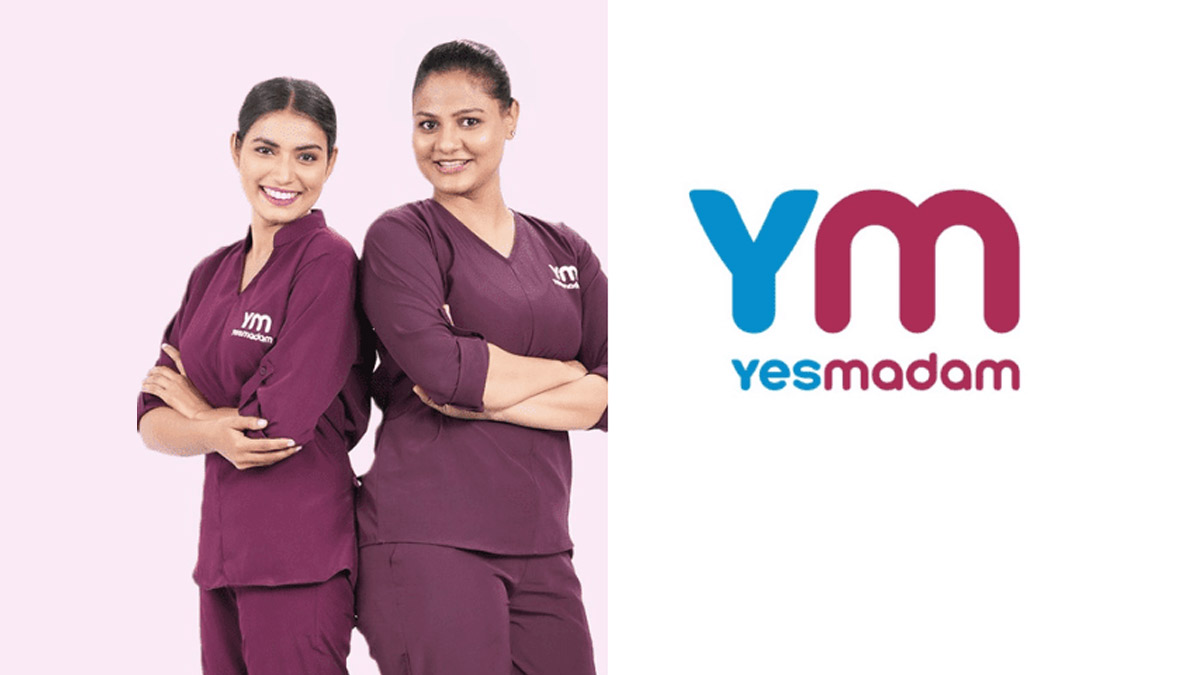
MUMBAI: When life gives you a bump, Yes Madam has decided the last thing a woman needs is a cut in her earnings. Yes Madam, one of India’s fastest-growing home salon and wellness platforms, has announced a 0 per cent commission policy for its pregnant service partners. The move aims to provide greater financial stability and flexibility to its network of over 7,500 trained beauty professionals during this important life stage.
Under the new initiative, pregnant partners will retain their full earnings with no commission deductions, allowing them to focus on their well-being while maintaining income continuity. The decision was prompted by a customer’s social media video that highlighted the experience of a pregnant service professional continuing to work. The customer suggested reducing commission and shortening travel distances for such partners.
Responding to the feedback, Yes Madam co-founder Mayank Arya acknowledged the concern and confirmed that hub restructuring to optimise travel is already underway in phases. He also announced the 0 per cent commission policy for pregnant partners and encouraged them to prioritise rest.
Yes Madam co-founder and CEO Aditya Arya, said the policy reflects the company’s commitment to open communication. “Our partners know they can reach out to us directly, and it’s this personal access that helps us build policies that truly matter,” he noted. “Introducing 0 per cent commission for pregnant professionals is a direct result of listening to their needs.”
Mayank Arya added that the platform has a responsibility to support partners at every stage. “This step is a small but important move in that direction. We actively encourage our service partners to prioritise their well-being and take adequate rest during this time.”
Yes Madam had previously introduced a 0 per cent commission model for its top-performing “Queen Partners.” Extending this benefit to pregnant professionals marks another step in strengthening partner welfare and building a more supportive ecosystem.
In an industry where beauty professionals often go the extra mile, Yes Madam is showing that genuine care should flow both ways especially when one of their own is expecting.









