MAM
4 media execs on Business Week’s 2002 worst managers’ list

MUMBAI: Media managers have been much hyped in the past as those lovely people who can do little wrong, almost as much as the stars they help create. Well, not so much so any more. InternationalBusiness Week has listed four media executives in its worst managers of 2002 list announced in its latest issue. And they are people who were not so long ago glorified and hailed as corporate Gods.
Ousted chief executives Jean-Marie Messier of France’s Vivendi Universal and Thomas Middlehof of Germany’s Bertelsmann, Gerald Levin, who retired as CEO of AOL Time Warner, along with his former chief operating officer, Robert Pittman, are three executives who have been lynched by the magazine.
Business Week‘s list included its 20 best and worst managers, in alphabetical order without rating those within the lists.

Others managers who have found a place on the “worst” managers roster include former McDonald’s CEO Jack Greenberg, and in the finance sector, Sandy Weill of Citigroup and Bill Harrison of JP Morgan Chase, both of whom who continue to hold their positions with their firms.
Bill Gates’ former partner, Paul Allen, who rolled in the moolah with Microsoft, was polevaulted in the worst managers’ list for the poor performance his new venture, the troubled cable firm Charter Communications has been turning out. Joseph Berardino of Arthur Andersen, the audit firm convicted of obstruction of justice in the the Enron blowup, also figures in the list.
Among the big names who made it to the “best managers’” list include Steve Ballmer at Microsoft, Fujio Cho at Toyota, Lindsay Owen-Jones of L’Oreal and Lee Scott of Wal-Mart.





MAM
Crocs and Lego launch new collaborative collection in India
Iconic brands bring playful creativity to footwear with first drop on 13 April 2026.
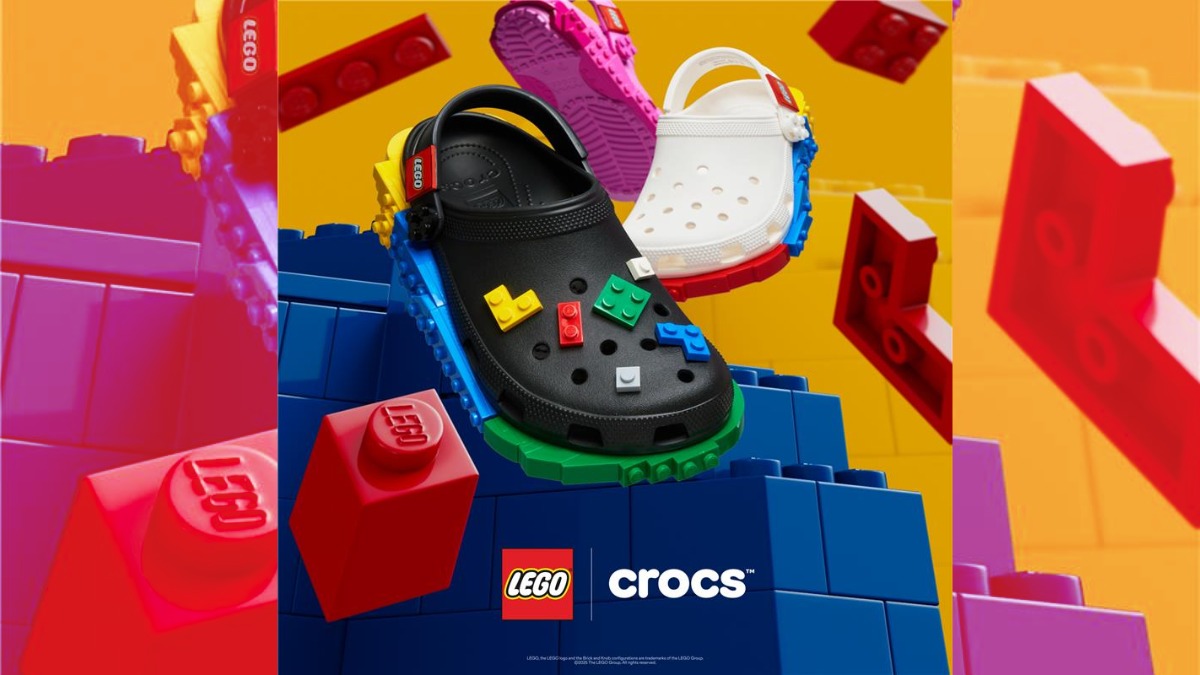
MUMBAI: Crocs and Lego have clicked together once again and this time, the bricks are heading straight for Indian feet. The global footwear brand Crocs has announced the India launch of its latest Crocs x Lego Group collection, following the excitement of their multi-year global partnership unveiled earlier this year. The collaboration celebrates creativity, play, and individuality, merging Crocs’ signature comfort with Lego’s iconic building-block spirit.
The collection will roll out in two phases. A digital-exclusive pre-launch begins on 13 April 2026 on crocs.in, featuring four styles: the Lego Masterbrand Creativity Clog, Lego Midnight Garden Creativity Clog, Lego Creativity Clog, and Kids’ Lego Creativity Clog. Each pair purchased during this phase will include an exclusive Lego minifigure as a collectible bonus.
From May 2026, the full collection will be available across select Crocs stores, VegNonVeg, and Foot Locker outlets nationwide.
The designs playfully blend Crocs’ classic clog silhouette with Lego brick-inspired details, complete with custom Jibbitz charms on the upper and sole. The collection encourages wearers to treat their footwear as a canvas for personal expression, without any set instructions just an open invitation to build, explore, and have fun.
Crocs chief marketing officer Carly Gomez said, “The Lego Group’s boundless imagination makes them the perfect match to Crocs’ wonderfully unordinary spirit. We are both brands that pride ourselves on being built different, celebrating self-expression and fuelling creativity.”
LEGO Group, head of licensing & extended line design & partnerships Satwik Saraswati added, “Our common mission to enable self-expression and wear it with pride only marks the beginning of a journey with endless possibilities.”
The campaign will extend beyond the product launch through creator-led seeding, elevated visual merchandising, and exclusive on-ground previews, supported by a deeper partnership with the Lego India team.
In a market that loves both comfort and fun, Crocs and Lego have built something special, a collection that lets every step feel like playtime. Get ready to click your heels (or rather, your clogs) because this collaboration is set to be a blockbuster hit with Indian fans.