MAM
24 complaints on misleading & surrogate ads


NEW DELHI: A total of 13 complaints against surrogate advertisements and 11 against misleading advertisements on the electronic media have been received in the recent past, Parliament was told.
Meanwhile, the Department of Consumer Affairs is holding a series of consultations and workshops with all stakeholders in different parts of the country to create awareness about this issue.
In 2010-11 and 2011-12, a total of seven and eight complaints respectively were filed about misleading advertisements in the print media, Minister of State for Information and Broadcasting C M Jatua told the Lok Sabha.

Jatua said the Consumer Protection Act 1986 had ample provisions to act against advertisements making false or misleading representation and these had been duly notified as Unfair Trade practices for which a consumer could approach the Consumer Courts.
The Press Council Act and the Journalistic Norms drawn up by the Council, and the Cable TV Networks (Regulation) Act apart from the Advertising Standards Council of India also had powers to deal with such complaints.
In reply to another question, Parliament was informed that a representative of the Department of Consumer Affairs was now represented on the Inter-Ministerial Committee which hears complaints against TV channels.






MAM
Sleepwell unveils nationwide sleep study on World Sleep Day
79 per cent use screens before bed, 36 per cent of 18–25-year-olds sleep ≤5 hours.
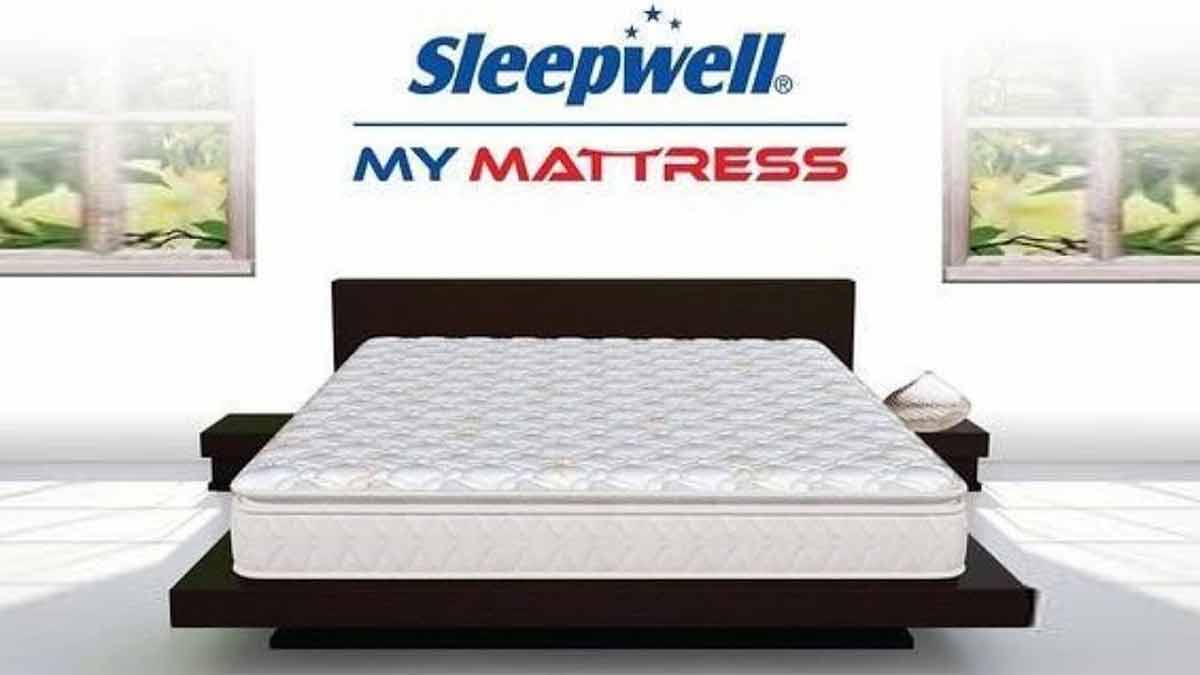
MUMBAI: Sleepwell just dropped the pillow truth bomb because when India’s sleeping less and scrolling more, even the mattress wants to stage an intervention. On World Sleep Day 2026, Sleepwell released its nationwide Sleep Study, painting a stark picture of India’s escalating sleep crisis. The findings show that 79% of Indians use screens right before bed, fuelling restless nights and drowsy days. Alarmingly, 36% of young adults aged 18–25 sleep five hours or less making them the country’s most sleep-deprived group.
The study also busts the myth of “catch-up sleep”, 65% of respondents actually sleep even later on weekends, pointing to increasingly irregular patterns that spill fatigue into the working week. Mattress discomfort emerged as a frequently overlooked culprit behind late-night wake-ups and constant leak-anxiety checks.
To drive the message home, Sleepwell’s CMO Puneet Gulati appeared on Zee Business, stressing that quality sleep isn’t a luxury, it’s foundational health. He highlighted how the right mattress can transform restless nights into restorative ones.
The brand doubled down with clever late-night activations, partnering with a quick-commerce platform to serve contextual ads between 11 pm and 3 am, gently nudging bleary-eyed scrollers to consider mattress discomfort as the reason they’re still awake and pointing them to the nearest Sleepwell store. Digital influencers and creators also shared relatable stories of how poor sleep fuels impulsive late-night behaviour.
In a nation that celebrates hustle but quietly pays for it in lost rest, Sleepwell isn’t just selling mattresses, it’s selling the radical idea that sometimes the bravest thing you can do is close your eyes and actually sleep well.







