MAM
10 years of UPI: India’s payments system hits 21.7 billion transactions a month
From queues to QR codes, digital push drives inclusion and real-time ease

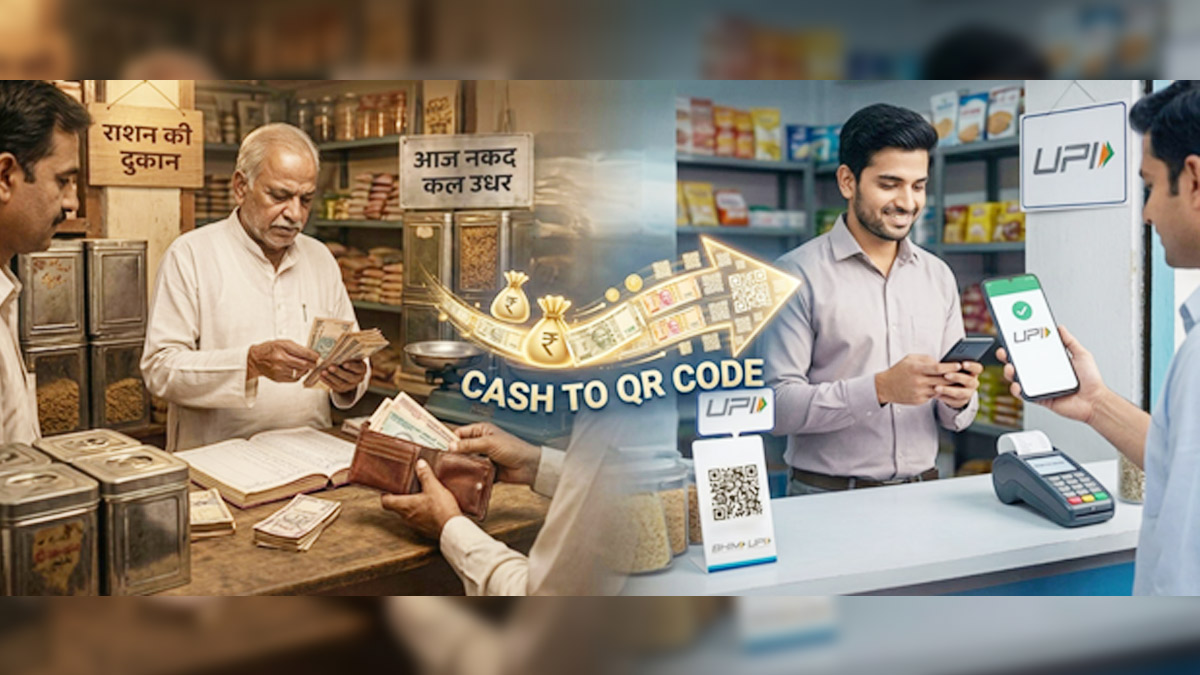
NEW DELHI: India’s digital payments story has come a long way from queues at bank counters to instant QR code scans, with the Unified Payments Interface now processing a staggering 21.7 billion transactions in a single month, underlining its position as the world’s leading real-time payments system.
Not too long ago, routine transactions meant paperwork, waiting periods and, for many, complete exclusion from the formal financial system. Today, that landscape has been fundamentally reshaped by a digital ecosystem built on scale, simplicity and accessibility.
The shift gained momentum in the early 2000s when the Reserve Bank of India introduced systems such as RTGS and IMPS. While these laid the groundwork for faster payments, their reach remained limited to those already within the banking fold.

A decisive breakthrough came with the JAM trinity, combining the Pradhan Mantri Jan Dhan Yojana, Aadhaar and widespread mobile connectivity. This framework expanded financial access, enabled direct benefit transfers and familiarised millions with digital transactions.
“The JAM Trinity catapulted our banking to a different level altogether,” said Nirmala Sitharaman, highlighting its transformative impact.
Launched in 2016 by the National Payments Corporation of India, UPI simplified money transfers by removing the need for complex bank details. With just a mobile number or UPI ID, users can send and receive money instantly, round the clock.
Its scale has expanded rapidly, with participating banks growing from just over 200 in 2021 to nearly 700 by early 2026. Today, UPI accounts for 81 percent of India’s retail digital transactions and nearly half of global real-time payment volumes, according to global institutions such as the International Monetary Fund and the World Bank.
Beyond convenience, the platform has driven deeper financial inclusion. From street vendors and autorickshaw drivers to rural traders and domestic workers, millions now participate in the formal economy through instant, low-cost transactions. The system has also opened doors to credit, insurance and savings products for previously underserved segments.
New features such as UPI Lite, AutoPay and credit integration are further expanding its scope, turning it into a broader financial platform rather than just a payments tool. At the same time, enhanced security measures like two-factor authentication have strengthened user trust and reduced fraud risks.
India’s payments innovation is also gaining global traction, with UPI-linked systems now operational in multiple countries, enabling seamless cross-border transactions and boosting remittances.
What began as a solution for financial inclusion has evolved into a global benchmark for digital payments. As India continues to move from queues to QR codes, UPI stands as a powerful example of how technology can simplify everyday life while driving economic participation at scale.




MAM
Gurpreet Singh named President of DishTV Alumni Network
Former Dish TV executive to lead community building and collaboration.
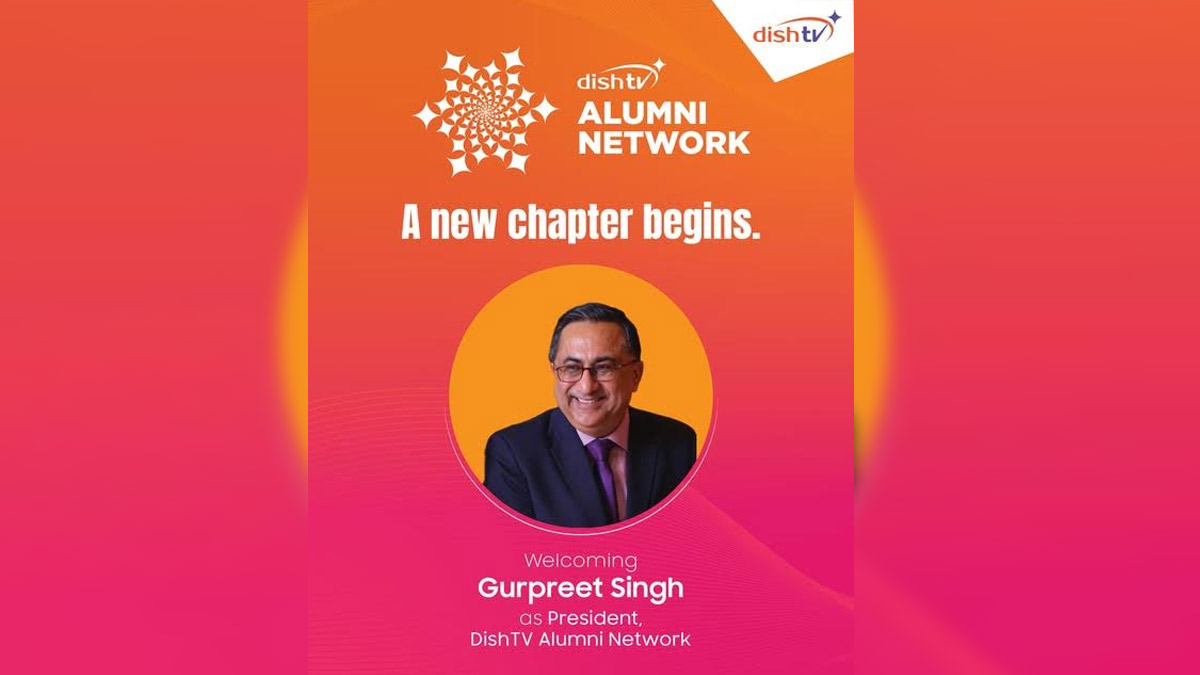
MUMBAI: Back to the dish, but this time it’s about connections, not channels Gurpreet Singh is returning to familiar territory with a new mandate that swaps subscribers for relationships. Singh has been appointed President of the DishTV Alumni Network, a move aimed at strengthening ties among former employees and building a more engaged professional community around the Dish TV ecosystem. The initiative reflects a growing trend among large organisations to formalise alumni networks as platforms for collaboration, mentorship and business opportunities.
The appointment draws on Singh’s deep-rooted history with Dish TV, where he held multiple leadership roles over nearly a decade. As National Business Head between June 2019 and September 2020, he oversaw profit and loss as well as operations, managing revenues of Rs 6,000 crore and leading a team of around 1,250 employees across the country. His tenure included working alongside two regional business heads and 16 circle heads, underscoring the scale of operations he handled.
Prior to that, Singh served as Executive Vice President and National Head for Sales and Revenue from 2016 to 2019, and earlier as Senior Vice President and National Head for Sales and Revenue. He also briefly led international operations as Country Head for Sri Lanka, further expanding his exposure across markets.
His broader career spans leadership roles across telecom and consumer businesses, including a stint as Chief Operating Officer at Bharti Airtel’s Malawi operations, senior leadership roles at Reliance Communications, and earlier positions at Hindustan Sanitaryware and Kodak India, where he spent over a decade.
In his new role, Singh is expected to focus on reconnecting former employees, fostering collaboration, and building a structured alumni ecosystem that leverages shared experience and industry networks. As companies increasingly recognise the long-term value of their extended workforce, the DishTV Alumni Network appears set to turn nostalgia into a strategic asset, one connection at a time.