iWorld
World Radio Day: Why radio still speaks when the internet fails
From disaster warnings to village classrooms, radio continues to inform, comfort and unite

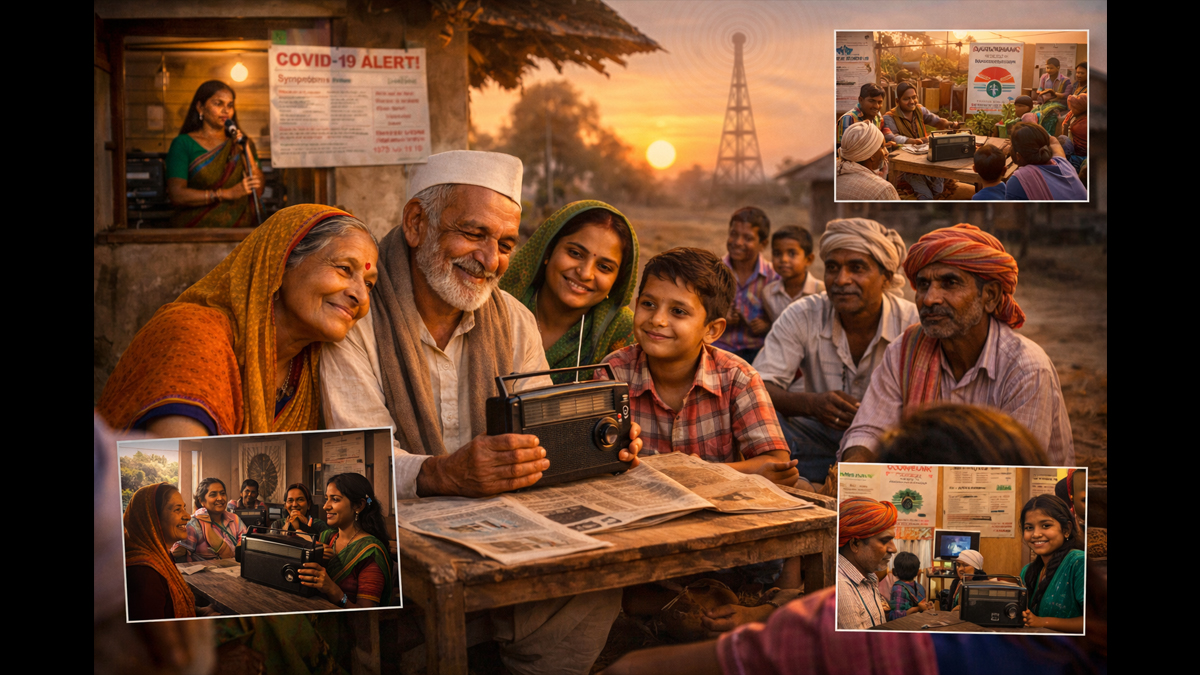
MUMBAI: When the internet drops, when mobile networks fail, when power cuts darken screens, one medium still finds a way to speak. Radio. No passwords, no data plans, no scrolling, just a human voice and a willing ear.
That enduring power is why 13 February is observed globally as World Radio Day. First proclaimed by UNESCO in 2011 and later adopted by the United Nations General Assembly in 2012, this day recognises radio’s invaluable contributions to information, community cohesion and freedom of expression. Radio reaches both megacities and the most remote hamlets, carrying local voices into global conversations across India and beyond.
Why 13 February matters
The date marks the 1946 launch of United Nations Radio, created to share news about world affairs and promote dialogue after the devastation of World War II. In a world rebuilding fractured societies, radio’s ability to traverse borders and connect communities was and remains unparalleled.

Radio’s renewed relevance in crisis and community
- A lifeline when everything else fails
Across disasters, conflicts and shocks to infrastructure, radio often remains the most reliable channel for real-time information.
In India during the initial COVID-19 lockdown, radio listenership grew by about 23 per cent, and 82 per cent of the population tuned in for news and updates on the pandemic. This surge underlined radio’s role as a trusted source of verified information when people were confined to their homes with limited access to other media.
Emergency broadcasts guided communities on containment measures, shared helpline numbers and countered misinformation, often in local dialects that other media overlook.
- Education without walls
Radio has long supported learning outside classrooms. During pandemic restrictions, when schools were closed, several radio stations across India aired educational programmes for children who lacked internet or devices. The medium’s simplicity, a basic receiver, meant listening was possible even in low-connectivity regions.
This inclusive reach helps adult farmers learn new techniques, women access health advice, and students continue learning even when textbooks are unavailable.
- Bringing voices into the mainstream
Often, radio serves as the voice of the marginalised. Community radio stations broadcast in local dialects, discuss grassroots issues and elevate stories that national media rarely capture.
According to research on community radio stations in India, around 63 per cent of interviewed listeners reported tuning in daily, attracted by locally relevant content tailored to their communities’ needs.
Human stories behind the statistics
- Sangham Radio: women’s voices on the airwaves
In rural districts of Telangana, Sangham Radio, India’s first all-female community radio station, broadcasts programmes developed and presented entirely by Dalit women. It serves about 40 villages and covers topics ranging from farming and health to women’s rights and local culture.
Listeners have credited the station with empowering women, fostering legal awareness and even helping find lost livestock. It stands as a clear testament to how radio can serve as both an information source and a social change agent.
- Radio Mattoli: voter awareness in remote tribal hamlets
In the forests of Wayanad, Kerala, community station Radio Mattoli has been instrumental in promoting civic participation. Ahead of elections, its broadcasts in several tribal dialects encouraged residents in isolated hamlets to vote, helping reach turnout numbers that rival those in urban centres. Radio’s ability to speak directly in people’s own languages proved essential in reaching audiences beyond conventional campaign channels. - Radio Mewat and health awareness
In Nuh, Haryana, community radio played a critical role in healthcare communication by organising awareness camps and broadcasting information on government health schemes such as Ayushman Bharat. These efforts significantly boosted local uptake of healthcare services, illustrating radio’s ability to catalyse real behaviour changes in rural populations. - Agricultural advice changing lives
Government studies show that farmers who listened to agricultural programmes on community radio adopted improved techniques, from organic manure application to pest management, which boosted crop yields and increased incomes. In one community, pulses yields increased significantly after farmers shifted practices based on advice heard on radio.
Radio’s emotional resonance in everyday life
In India’s villages, radio remains more than a medium. It is part of the daily rhythm. Before dawn, a transistor might play devotional songs. By sunrise, it delivers news and weather. During long days in the fields, radio accompanies farmers. In evening gatherings, it becomes a shared experience.
Elderly listeners often describe radio presenters as familiar voices, friends in isolation. For many migrants living away from home, radio broadcasts in their native languages offer comfort and continuity. In households where literacy is not universal, radio’s spoken word bypasses barriers and creates inclusion.
Global relevance beyond India
Radio’s reach is not only local. It is global. UNESCO surveys estimate that radio continues to be among the most accessible mediums in developing countries, with penetration rates often exceeding 75 per cent. This broad reach makes radio indispensable in regions where internet access remains limited.
World Radio Day celebrations increasingly spotlight radio’s role in tackling contemporary challenges such as climate change communication, where community radio helps communities prepare for and respond to extreme weather events. Experts stress the importance of local language programming and inclusive participation in climate discourse.
Beyond nostalgia: Radio’s evolving future
Despite predictions that digital media would eclipse it, radio has adapted. Traditional FM and AM broadcasts now coexist with digital audio streaming, podcasts and hybrid apps. Major broadcasters such as BBC and All India Radio integrate online streams with terrestrial stations, expanding reach while retaining local relevance.
But radio’s essence remains the same. A human voice connecting with millions regardless of geography or economic status. It does not require literacy or costly technology. It only needs openness to listen.
A medium that still matters
World Radio Day celebrates not just radio’s storied past, but its living impact in today’s world. In emergencies, it informs. In villages, it accompanies daily life. In communities, it empowers. Radio has outlasted many media trends because it speaks to the fundamental human need for connection and reliable information.
In a world dominated by screens and algorithms, radio reminds us that some of the most profound conversations happen through sound alone.






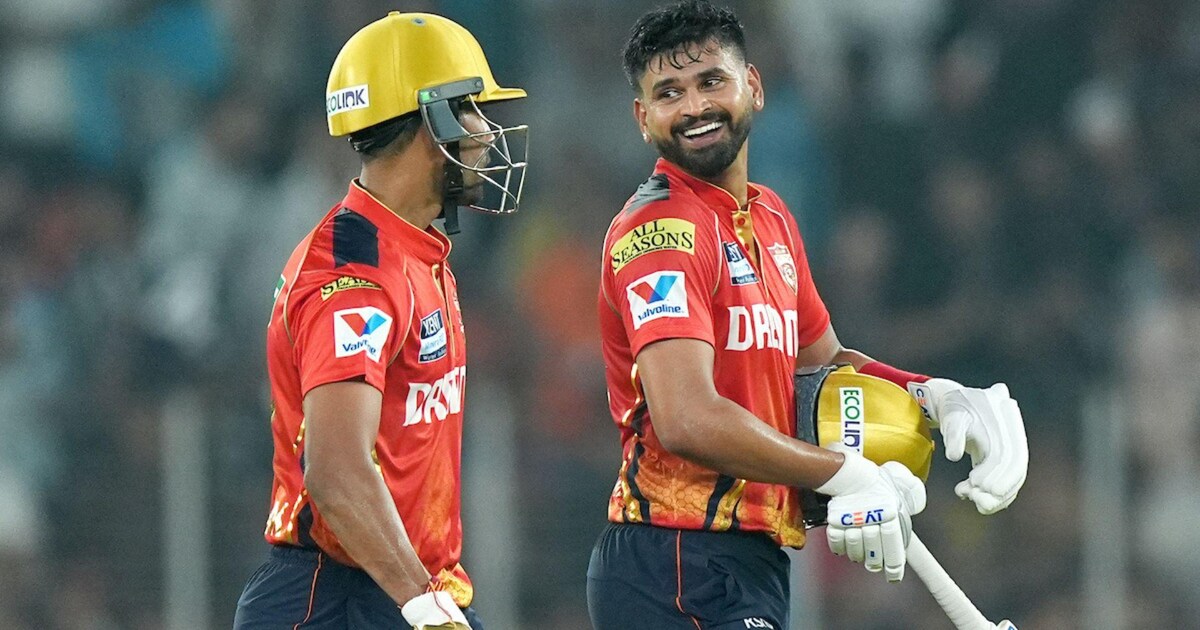
MUMBAI: If cricket were a binge-worthy series, this one just dropped its most explosive pilot yet. The opening weekend of the 2026 edition of the Indian Premier League has come out swinging, smashing records across both television and digital platforms and reaffirming the tournament’s unmatched pull in India’s sporting and media landscape.
Backed by two high-octane matches featuring 200-plus run chases, the tournament delivered a combined reach of over 515 million viewers across linear TV and digital platforms via JioStar’s broadcast ecosystem, including Star Sports and JioHotstar. More tellingly, engagement surged alongside reach, with total watch-time hitting 32.6 billion minutes, a sharp 26 per cent jump over the opening weekend of the previous season.
The numbers reveal a deeper shift in how India watches cricket. Connected TV (CTV) consumption rose by 30 per cent, while peak concurrency on digital platforms jumped 61 per cent, signalling a growing appetite for shared, big-screen streaming experiences. On traditional television, the momentum held strong, with TV ratings (TVR) climbing 24 per cent compared to earlier seasons’ opening matches.
A key driver of this spike has been the evolution of the viewing experience itself. This season introduced differentiated feeds, most notably a Hindi CTV broadcast featuring cricketing voices such as Ravichandran Ashwin, Suresh Raina, Harbhajan Singh, Virender Sehwag and Irfan Pathan. Blending expert analysis with a watch-along format, the feed has added a conversational, almost second-screen feel without requiring viewers to leave their screens.
According to JioStar CEO for Sports Ishan Chatterjee, at the opening weekend underscores not just scale but also the depth of engagement that live cricket continues to command. He noted that the combination of large-screen viewing and digital interactivity is creating a more immersive and personalised experience, while also delivering tangible outcomes for brand partners.
From the league’s perspective, the early numbers point to a tournament that continues to reinvent itself. Arun Singh Dhumal, Chairman of the IPL, said the strong start reflects how high-quality cricket paired with enhanced viewing formats is resonating with audiences nationwide, while Board of Control for Cricket in India secretary Devajit Saikia highlighted the “quality of engagement” as a key takeaway, not just the scale.
Commercially too, the opening weekend signals robust advertiser confidence. The broadcast is led by co-presenting sponsors including Google (Search AI Mode), Campa Energy, and Havells & Lloyd, alongside co-powered partners such as Birla Opus, Hero Motocorp and Amazon. A long tail of associate sponsors from OpenAI and Asian Paints to Flipkart and Amul further reflects the league’s unmatched ability to aggregate advertiser interest at scale.
Taken together, the opening weekend numbers are less a spike and more a statement. With 515 million viewers, 32.6 billion minutes of watch-time, and double-digit growth across formats, IPL 2026 has not just started strong, it has set the tone for a season that looks poised to push the boundaries of both sport and spectacle.






