iWorld
Tech firms tweak office operations amid LPG shortage concerns
Infosys, HCLTech and Cognizant adjust cafeteria services and work policies.

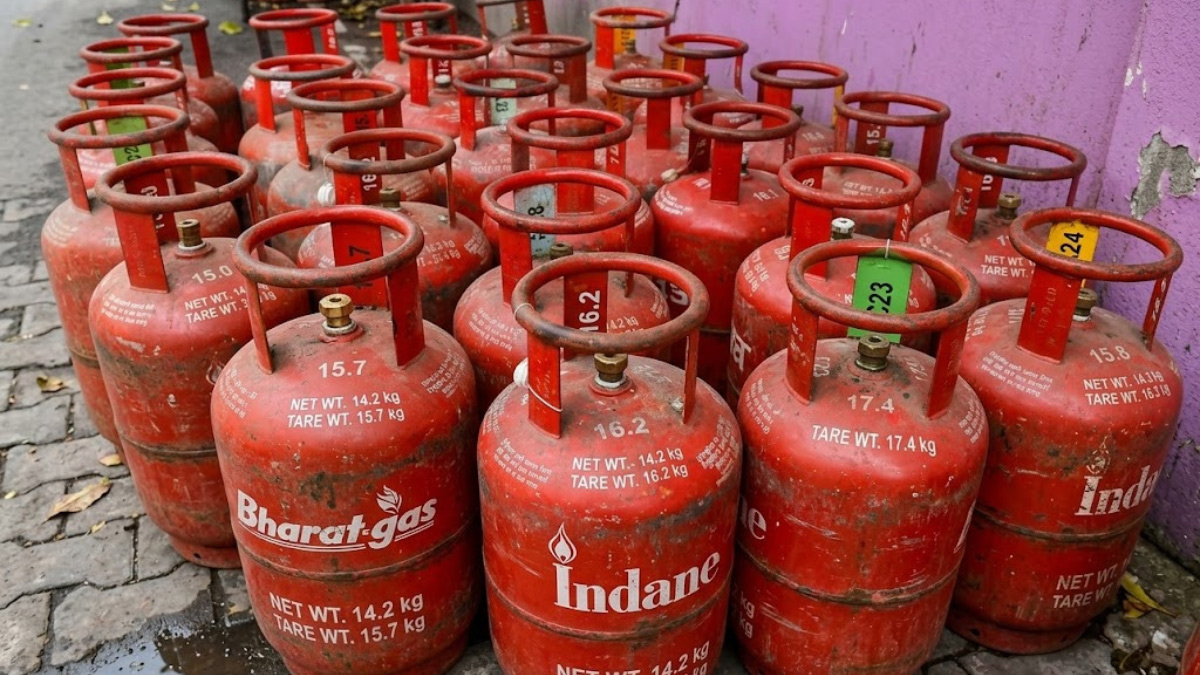
MUMBAI: When geopolitics turns up the heat, even office cafeterias start feeling the burn. Several technology companies in India are adjusting workplace operations and food services as concerns over a nationwide shortage of liquefied petroleum gas (LPG) grow following escalating tensions in West Asia. Major IT firms including Cognizant, Infosys and HCLTech have begun rolling out contingency measures to reduce dependence on office cafeterias that rely heavily on commercial LPG.
The disruption stems from rising geopolitical tensions involving Iran after military action by the United States and Israel reportedly led to the closure of the Strait of Hormuz, a critical global shipping route for oil and gas supplies. The closure has disrupted the movement of LPG and liquefied natural gas across international markets, triggering concerns about supply constraints and price volatility.
According to a report by The Times of India, Cognizant has advised employees to bring their own meals to office where possible to reduce reliance on office cafeterias dependent on LPG based cooking.

The company has reportedly told staff that it is preparing for potential disruptions driven by supply prioritisation, price fluctuations and pressure on vendor networks.
As part of contingency planning, Cognizant is identifying alternative food vendors that do not rely on LPG. These include kitchens using induction based or solar powered cooking systems.
The company is also exploring partnerships with cloud kitchens that operate on electric or solar power to ensure uninterrupted food supply in case conventional cooking gas availability worsens.
Additionally, Cognizant is evaluating the possibility of expanding work from home or hybrid arrangements for non critical roles, partly to reduce commuting exposure if fuel prices rise sharply due to global energy disruptions.
Meanwhile, HCLTech allowed employees at its Chennai office to work from home on March 12 and March 13 after cafeteria vendors were unable to operate because of the LPG shortage.
Several food service vendors at the campus reportedly suspended operations as they struggled to secure cooking gas supplies, prompting the company to permit staff to work remotely for the two days.
Infosys has also issued internal advisories across multiple locations, including its campuses in Bengaluru and Chennai.
The company informed employees in Bengaluru that cafeteria services would continue but with reduced menu options due to concerns around commercial LPG availability.
As part of the temporary adjustments, live food counters have been suspended, and employees have been encouraged to bring home cooked food while the situation evolves.
While LPG shortages in India remain a developing situation, the measures taken by these technology firms highlight how global geopolitical disruptions can ripple through unexpected corners of the economy, even the humble office lunch.
For companies with large campuses and thousands of employees relying on daily cafeteria services, cooking fuel shortages can quickly turn into an operational challenge. Until global supply chains stabilise, many workplaces may find themselves rethinking everything from food sourcing to flexible work policies.







iWorld
What SMS letters G, T, S and P mean and how they help spot scams
Small alphabet tags on messages reveal whether texts are government or ads.
MUMBAI: Sometimes the smallest letter in a message can be the biggest clue. In an age where smartphone users receive dozens of alerts every day, the tiny alphabet appearing at the end of many SMS messages can reveal whether a text is official, transactional, service related or simply promotional. Understanding these tags can help users quickly identify legitimate messages and stay alert to potential scams.
Under telecom regulations in India, SMS senders are required to categorise messages based on their purpose. As a result, many texts end with a single letter that indicates the type of communication being sent.
If an SMS ends with the letter G, it typically means the message has been sent by a government authority. These alerts may include information about public services, government schemes, safety advisories or emergency notifications such as natural disaster warnings.
A message ending with the letter T signals a transactional SMS. These are usually sent by banks, financial institutions or digital services to confirm activities such as payments, account updates or one time passwords (OTPs).
The letter S represents a service related message. These notifications commonly come from companies and online platforms providing updates about services or orders. For instance, e commerce platforms like Amazon or Flipkart often send delivery updates and order confirmations that end with the letter S.
Meanwhile, SMS messages ending with the letter P are promotional in nature. These texts are typically marketing communications sent by businesses advertising products, offers or services such as education programmes, fashion sales or loan schemes.
Understanding these simple tags can also help users stay cautious about fraudulent messages. Cybersecurity experts note that scam messages often do not follow these regulated formats and may arrive without any category letter at the end.
While the absence of a tag does not automatically mean a message is fraudulent, it can serve as an early warning sign encouraging users to verify the source before clicking links or sharing personal information.
For those who wish to reduce marketing texts altogether, telecom operators also provide Do Not Disturb (DND) options.
Users of Jio can activate DND through the MyJio app by navigating to the menu, selecting settings and enabling the DND option with preferred filters.
Similarly, subscribers of Airtel and Vi can enable the same feature through their respective mobile apps to block promotional messages.
In a digital world flooded with alerts and notifications, recognising what a single letter means could make the difference between a harmless update and a potential scam.