iWorld
Pay TV households may increase to one billion by 2018


NEW DELHI: The growing pay TV subscriber market is set to drive further investment into the technology underpinning multi-screen and OTT TV services as the global multi-screen landscape continues to evolve.
Digital TV Research predicts that the number of households that subscribe to pay TV will reach almost one billion by 2018.

Combined with the trend of consumers watching more long-form content on tablets and smartphones, this growth in pay TV customers will signal a further surge in multi-screen offerings as operators look to capitalise on demand, offering added value to keep and attract new subscribers.
With competition increasing in the online video market, operators are often trapped by the complexity and pressure of implementing a successful multi-screen strategy.
International entertainment broadcasting company Modern Times Group (MTG) recently reported a 25 per cent reduction in direct-to-home subscriptions; but increased subscriptions to their OTT services such as Viaplay more than compensated for this. With increasingly high consumer expectations of a quality user experience, new devices continually coming to market, evolving piracy threats and stringent content owner security requirements, many are still struggling to deliver a compelling, revenue-generating multi-screen experience.
However, operators can no longer afford to view multi-screen as a defensive play or an experiment. Multi-screen fundamentally changes the way consumers experience media, and an offensive strategy actually propels business forward and provides a compelling alternative to new market entrants and pirated content.
With all of these pressures and challenges, a report by the Europe-based Irdeto quoted by Convergence Plus sees four key building blocks to making multi-screen work successfully.
The first is the need to increase customer loyalty with a personalised user experience: While many solutions focus on just “getting on a device,” the real challenge is making a personalised experience across devices that keep consumers wanting more. An intuitive design, coupled with recommendation technology and consistency of user interface and experience across devices is key.
The second is to reduce risk, cost and time to market: With the fierce race to offer multi-screen services, operators must remove the risk and delay inherent in complex integration projects. Using a reference architecture that is pre-configured, templated and ready for branding will achieve these goals. In addition, cloud-based services can instantly scale and provide the high level of availability and redundancy that in-house implementations cannot match without massive investment in infrastructure.
Thirdly, there is need for uncompromising content protection on any device: To ensure the success of the service, an operator must enable consumers to securely access premium content from any device of choice, including devices of tomorrow. In addition, operators must provide uncompromising security on any device to satisfy content owners and to enable them to maximise the return on their investment in premium content
There is also need for monetising using different business models: Having the freedom to test market preferences and pricing is a powerful tool for operators to fine-tune their commercial models. Advertising in particular provides major opportunities for networks. Monetisation of long-form video distribution has been the purview of OTT players such as Netflix, Hulu and Amazon. Now, with the aggressive strategies of companies like Google, the monetisation curve is sure to keep climbing.
Today, a successful multi-screen strategy is more than just content distribution on multiple devices if you want to compete for consumers, and indeed revenue. A more proactive approach to delivering multi-screen services is required, and elevating this service to must-have status for consumers will require development of a personalised experience that engages the viewers, provides tailored recommendations, interacts with their social networks and enhances the existing pay TV experience.
A truly great multi-screen solution will propel business in the right direction and give the freedom to focus on the core strength – delivering a compelling user and content experience. An offensive multi-screen strategy can help you take advantage of the opportunities in the market and drive up content consumption. Pay TV operators must look for a solution provider which will enable them to incorporate the most appropriate and effective personalisation, social connectivity and monetisation functionalities they deem appropriate to service goals. This can be achieved by leveraging managed services, cloud-based infrastructure, innovative technologies, pre-configured workflows and intuitive interfaces. Having the right technology and partners in place is what will separate those who embark on multi-screen, and those who transform this into a successful offering.




iWorld
Samay Raina returns with Still Alive, confronts 2025 controversy in bold comeback special
Comeback set tackles controversy, blending humour with raw storytelling
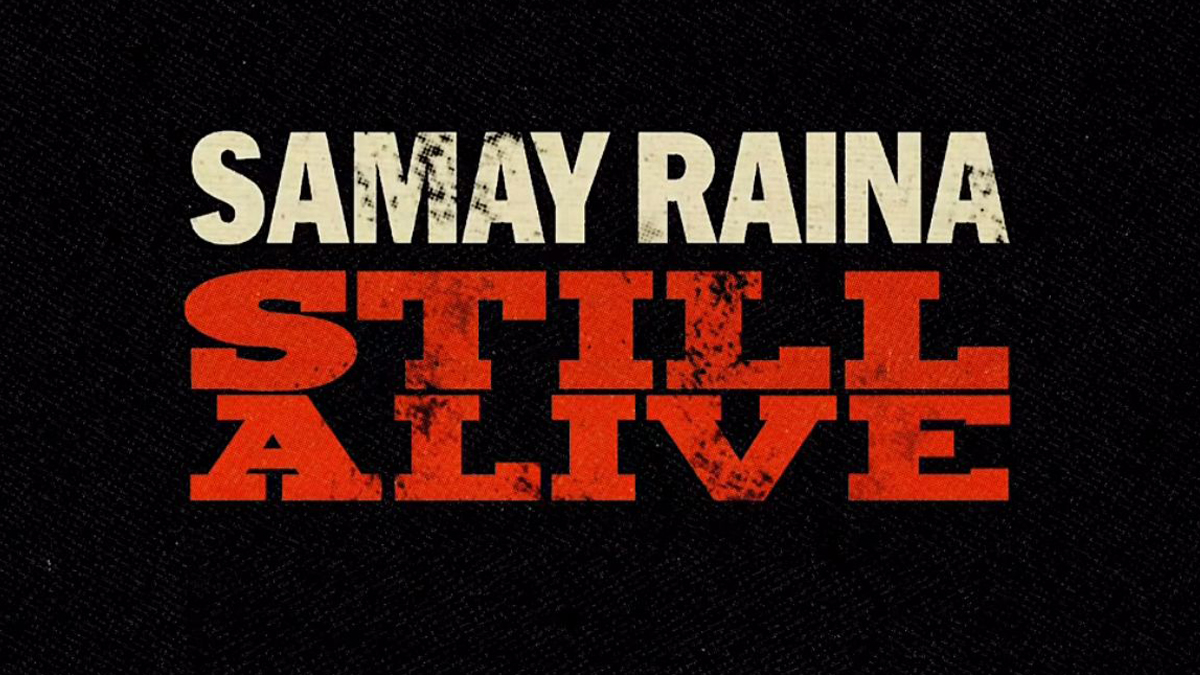
MUMBAI: Samay Raina is set to release his new stand-up comedy special, Still Alive, on YouTube on April 7, 2026, marking a high-profile return following a turbulent year.
The trailer for the special dropped on April 5, offering a glimpse into what Raina describes as a raw and unfiltered set that leans as much on honesty as it does on humour.
Positioned as a comeback of sorts, Still Alive draws heavily from the controversy surrounding his show India’s Got Latent in early 2025. The episode led to legal trouble, multiple FIRs, and a lengthy six-hour interrogation by the Maharashtra Cyber Cell, placing the comedian at the centre of intense public scrutiny.
Rather than sidestep the episode, Raina leans into it. The special reflects on the fallout and his personal journey through it, blending observational comedy with moments of emotional candour. Early audience feedback from live performances suggests the tone is less about rapid-fire punchlines and more about storytelling with bite.
The special was filmed during his global Still Alive & Unfiltered tour, which ran from August 2025 to early 2026. The tour saw Raina perform across major international venues, including the Madison Square Garden Theatre in New York, a milestone that places him among the youngest Indian comedians to take that stage.
The title itself signals resilience. “Still Alive” is a nod to navigating both legal and public backlash while choosing to remain unapologetically authentic, a theme that appears to anchor the set.
With the special set to premiere online, all eyes are now on how audiences respond to a performance that promises equal parts reflection and wit. For Raina, the message is clear. He is not just back, he is ready to be heard on his own terms.






