Gaming
Nodwin Gaming sells EVO stake to RTS
Fighting game tourney eyes global push, Nodwin partners on emerging markets amid 58 per cent revenue surge to Rs 530.3 crore.

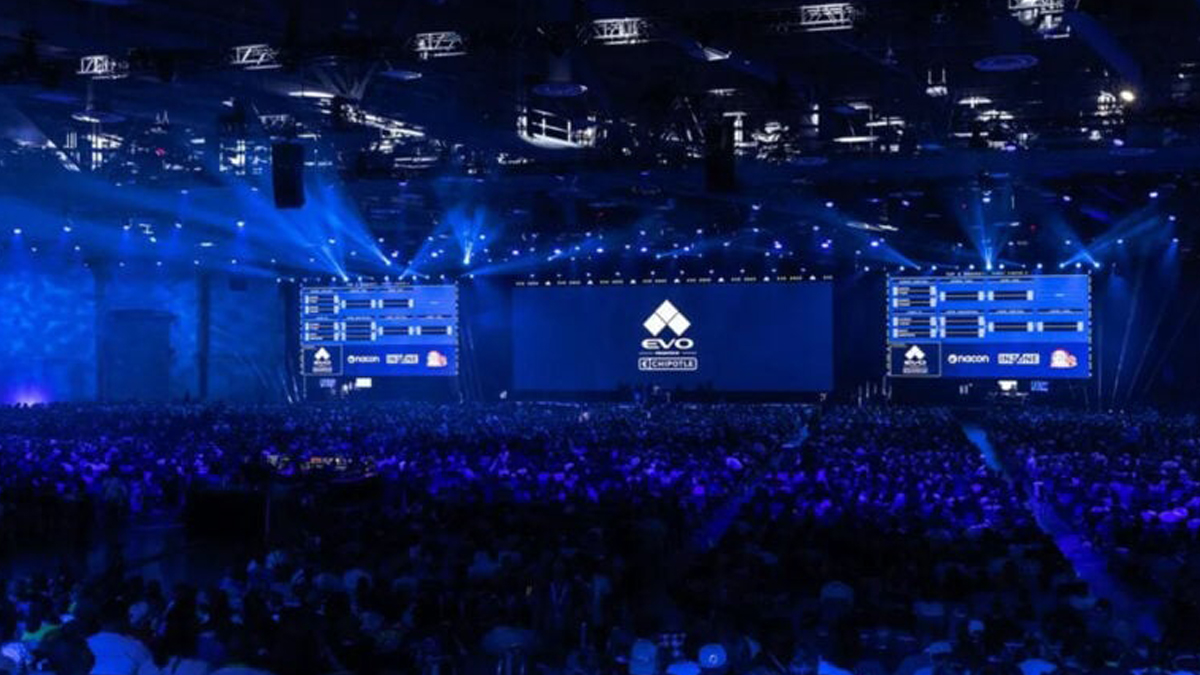
MUMBAI: Nodwin Gaming just pulled off the ultimate combo breaker ditching its full stake in EVO, the fighting game world’s undisputed champ, to long-time ally RTS. Announced on 20 February 2026, the move frees up firepower for EVO’s global scaling dreams, with hefty investments on the horizon. Nodwin isn’t vanishing though; it’ll stick around as a key partner, flexing its regional muscle, ops know-how, and community ties to grow the tourney in emerging markets like the Global South.
EVO, a two-decade FGC (Fighting Game Community) cornerstone, started as a grassroots huddle and morphed into esports royalty drawing players, publishers, and superfans worldwide. RTS steps up to steward this next-level expansion, honouring the community vibe while plotting world domination.
For Nodwin, it’s a savvy portfolio shuffle: honing in on high-growth zones, local IPs, and ecosystem builds. The timing’s spot-on, they flipped EBITDA positive in Q3 2025, boasting 58 per cent year-on-year revenue growth to Rs 530.3 crore (USD 58.5 million) over the first nine months of FY26.

Nodwin Gaming co-founder and managing director, Akshat Rathe, framed it neatly, “EVO represents the passion, resilience, and spirit of the fighting game community… For Nodwin, this is a strategic step that sharpens our focus on markets where gaming is witnessing extraordinary momentum.”
More details on EVO’s emerging-market playbook with Nodwin drop soon. In esports terms, it’s like trading a legendary skin for upgrades smart meta shift that keeps everyone in the arena swinging.

Gaming
Dream Sports sees 100 plus exits after gaming ban forces overhaul
Company splits into eight units as real money gaming law hits revenue.

MUMBAI: For a company built on fantasy leagues, reality has suddenly rewritten the rulebook. More than 100 employees have exited Dream Sports, the parent of Dream11, after the company reorganised its operations following India’s ban on real money online gaming. The shake up came after the Promotion and Regulation of Online Gaming Act, 2025 came into force in August 2025, prohibiting games where users deposit money expecting winnings. The regulation struck at the heart of the fantasy gaming industry and dramatically affected Dream Sports’ core business, wiping out about 95 percent of its revenue and all of its profits.
In response, the Mumbai based company shifted into what chief executive officer Harsh Jain described as “startup mode”, splitting its operations into eight independent business units in December.
Around 700 employees were reassigned across these newly formed ventures based on their experience and interests. However, roughly 15 percent opted to leave the company.
A spokesperson for Dream Sports said many of those who exited were experienced professionals accustomed to running scaled businesses rather than early stage ventures.
“Since some of these employees were experienced with running high scale businesses and not startups, around 15 percent chose to leave and join other scaled companies or start ventures of their own,” the spokesperson said.
Despite the departures, the company noted that the attrition rate is only slightly higher than its earlier level of around 10 percent before the ban. Dream Sports now has close to 950 employees and is not currently hiring, choosing instead to focus on stabilising its existing workforce.
The restructuring has transformed Dream Sports from a fantasy gaming company into a broader sports entertainment platform. The eight units now operate independently, each focusing on different segments of the sports and technology ecosystem.
These include Dream11, sports streaming platform Fancode, sports travel service DreamSetGo, mobile game Dream Cricket and artificial intelligence initiative Dream Sports AI, which includes sports analytics platform Dream Play.
Other ventures include fintech product Dream Money, open source initiative Dream Horizon and the philanthropic arm Dream Sports Foundation.
As part of cost saving efforts, Dream Sports also relocated its headquarters from Bandra Kurla Complex to Worli earlier this year. The new office, called Dream Sports Stadium, brings teams from its various brands together under one roof to improve collaboration and operational efficiency.
Jain had earlier said the company removed bonus lock in timelines for employees hired in recent years, allowing those who wished to leave to exit with pro rata payouts.
“We want people who are fully into the startup mode and willing to work for it, and we will share that reward if it comes,” he said.
Founded in 2008 by Harsh Jain and Bhavit Sheth, Dream Sports was last valued at 8 billion dollars after raising 840 million dollars in 2021 from investors including Falcon Edge Capital, DST Global, D1 Capital Partners, RedBird Capital Partners, Tiger Global Management, TPG and Footpath Ventures.
The new gaming law has forced several companies in the fantasy gaming sector to either shut down or pivot their business models, signalling a significant reset for one of India’s fastest growing digital entertainment industries.