Gaming
MTG gaming chief Benninghoff joins NODWIN board as esports firm primes for IPO
The Gurugram-based esports firm is pursuing a public listing, has returned to profitability and is growing revenues by 42 per cent

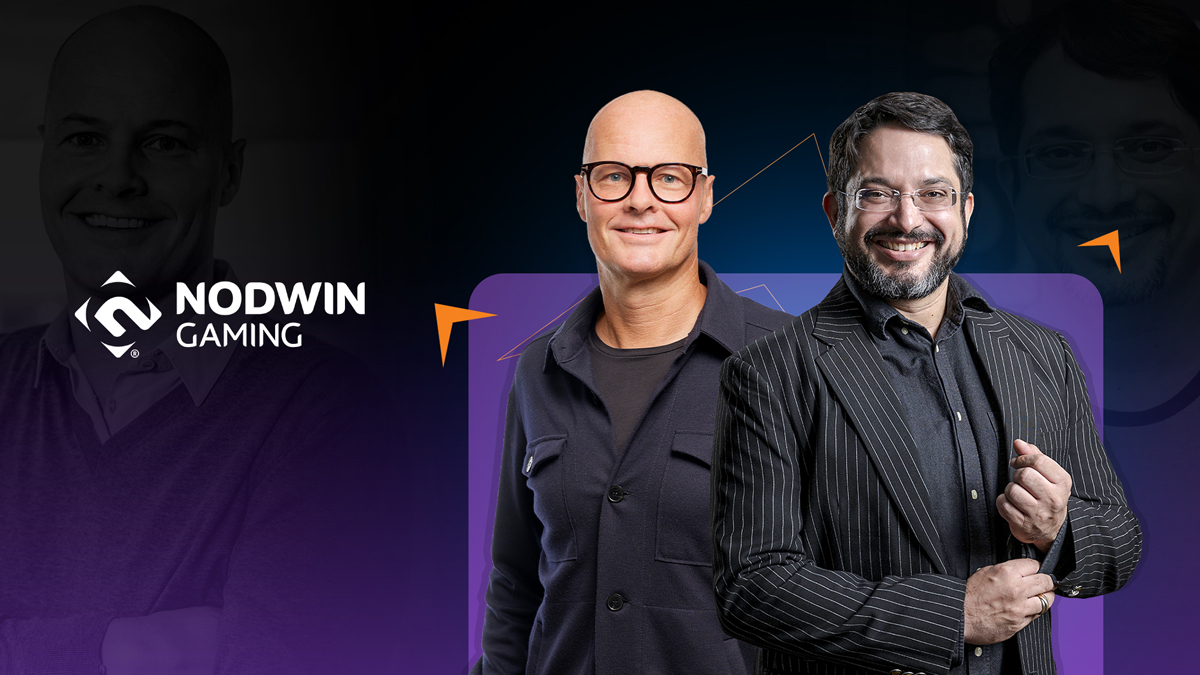
GURUGRAM: NODWIN Gaming is moving fast. The Gurugram-based gaming and esports company has launched a pre-IPO fundraising round, appointed UBS as lead adviser for both the round and a subsequent public listing, and landed a heavyweight board director, all in one go.
The new board member is Arnd Benninghoff, executive vice president of gaming at Stockholm-listed Modern Times Group (MTG), who has overseen the group’s strategic investments and portfolio growth since 2014. He is no stranger to building things: Benninghoff has founded and built fifteen companies, served as chief digital officer at ProSiebenSat.1 Media AG, managing director of SevenVentures, and chief executive of Holtzbrinck eLAB. He began his career as a journalist at Deutsche Presse Agentur and various TV networks, holds a Diplom-Kaufmann in business and administration from the University of Münster, and previously sat on the board of Edgeware AB.
The numbers back the ambition

NODWIN is not pitching a story without substance. The company has returned to EBITDA profitability and posted a 42 per cent year-on-year revenue surge, reaching $58.5m in the first nine months of FY2026. The pre-IPO round will combine a primary issuance to fund global expansion through organic growth and acquisitions, alongside a secondary sale to give existing shareholders some liquidity.
Akshat Rathee, co-founder and managing director of NODWIN Gaming, said Benninghoff understands “the entire lifecycle of the gaming and media ecosystem, from the boots-on-the-ground reality of building startups to the strategic complexity of managing multi-billion dollar global portfolios.”
Benninghoff, for his part, said the company “sits at the intersection of sports, entertainment, and technology, making it one of the most exciting players in the global gaming landscape today.”
A portfolio built for the global south
Founded in 2014 by Rathee and Gautam Virk, NODWIN has quietly assembled one of the more compelling esports portfolios outside the Western hemisphere. Its properties include DreamHack India and Comic Con India, and it recently acquired StarLadder, the Ukraine-based tournament organiser behind premier events in CS:GO and Dota 2. The company also serves as a long-term strategic marketing partner for the Evolution Championship Series (EVO), the world’s most prominent fighting game tournament, helping push it into new geographies.
Its geographic focus spans South Asia, Central Asia, Southeast Asia, the Middle East and Africa. Backers include Nazara Technologies, KRAFTON, Sony Group Corporation, JetSynthesys, and the founders’ investment vehicle Good Game Investments.
What comes next
With UBS running the books, a board freshly reinforced with European media and gaming expertise, and revenue heading in the right direction, NODWIN is laying the groundwork deliberately. The esports industry has burned investors before with big promises and thin margins. NODWIN’s return to profitability, combined with a real portfolio of owned intellectual properties across gaming, music and youth culture, gives it a more credible runway than most. The IPO clock is now ticking.





Gaming
Konami concludes successful eFootball India campaign
Campaign featuring Rinku Singh, Varun Chakravarthy and other stars boosts engagement ahead of FIFA World Cup 2026.
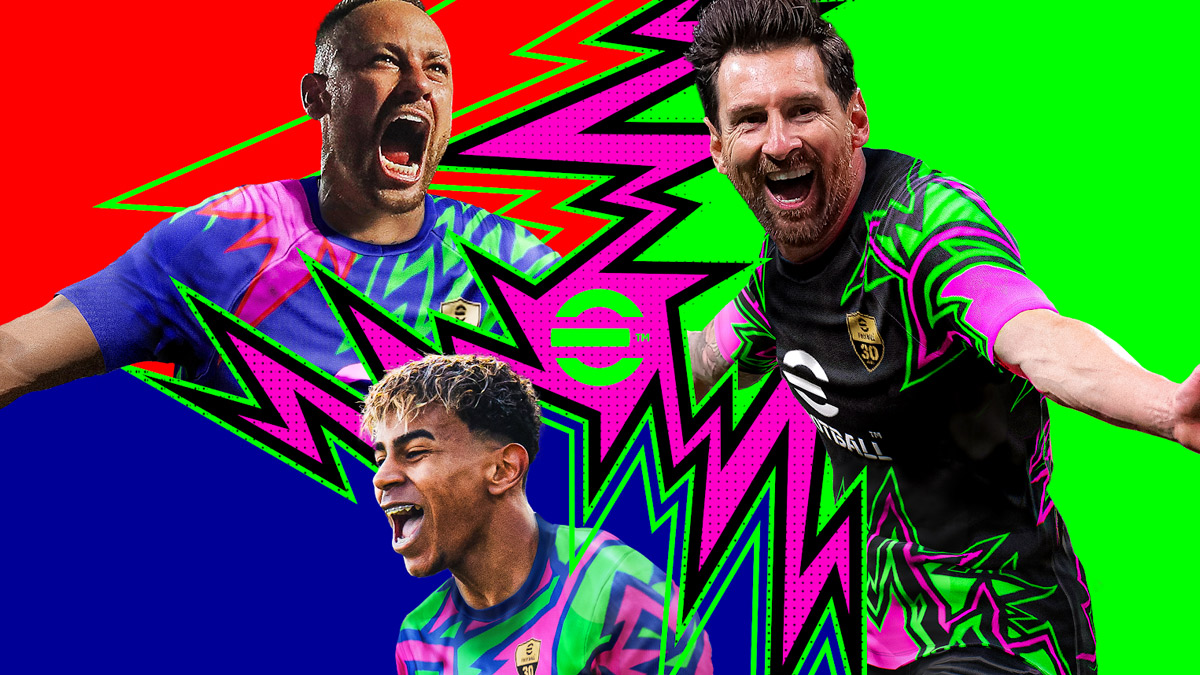
MUMBAI: When cricket meets football in the virtual world, even the biggest fans can’t help but score and Konami’s latest eFootball campaign in India has clearly hit the back of the net. Konami Digital Entertainment has successfully wrapped up its India campaign for eFootball, which brought together cricketers Rinku Singh and Varun Chakravarthy, actors Naslen Gafoor and Chandu Salim Kumar, and footballers Sahal Abdul Samad and Shubhasish Bose. The multi-star campaign generated strong excitement across gaming, football, and creator communities through social content, fan participation, and in-game engagement.
Building on the initial launch that featured a limited-time Lionel Messi card, the campaign united fan communities, lifestyle creators, football creators, and competitive eFootball influencers. It significantly expanded the game’s visibility and deepened engagement with fans across the country.
The campaign also saw thousands of entries submitted as part of its social media engagement challenge, reflecting high levels of community enthusiasm and active creator involvement.
Looking ahead, Konami plans to build on this momentum with more eFootball experiences for Indian fans as the FIFA World Cup 2026 approaches. With global attention on the tournament set to rise, India will remain a key market for deepening community engagement and bringing fans closer to the action.
In a country that lives and breathes sport, Konami has shown that mixing real-world stars with virtual thrills is a winning formula leaving fans eagerly waiting for the next goal.






