iWorld
Leonid Radvinsky, the man who made OnlyFans a $5.5bn empire, dies at 43
The Ukrainian-American entrepreneur transformed a niche subscription site into a $5.5bn cultural force, then kept almost entirely out of sight

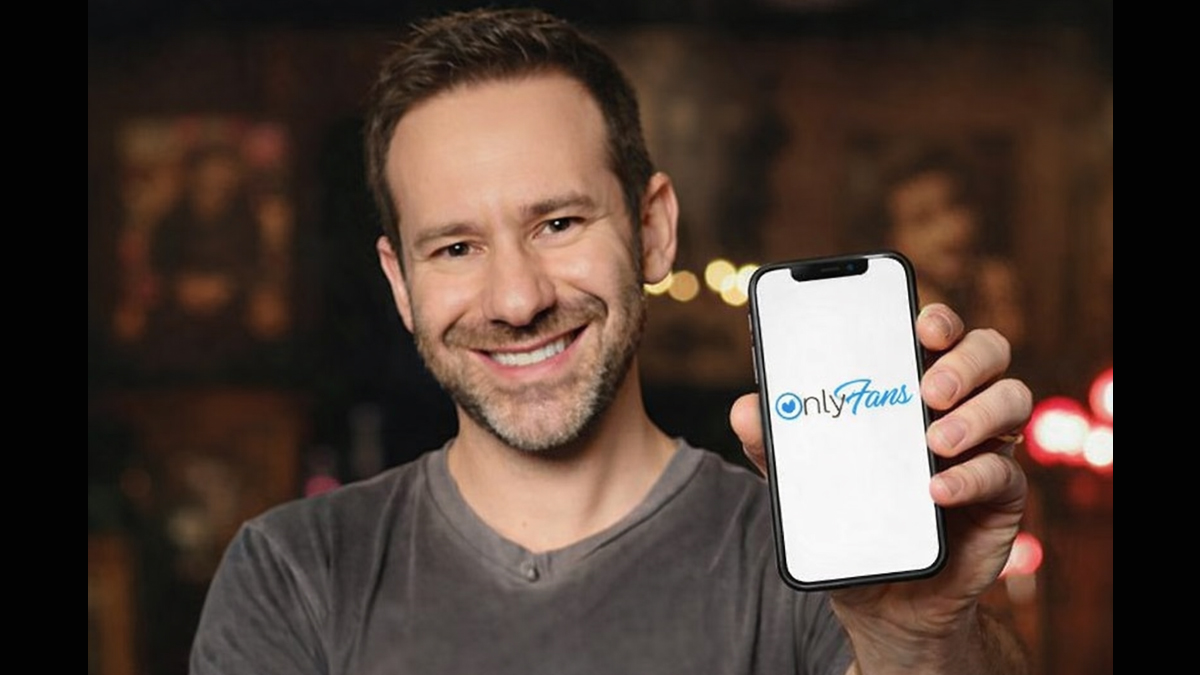
LONDON: He owned one of the most talked-about platforms on the internet and almost nobody knew his name. Leonid Radvinsky, the billionaire majority owner of OnlyFans, died on Monday after a prolonged battle with cancer. He was 43. The London-based company confirmed his death in a statement, saying he had “passed away peacefully.” His family has requested privacy.
Radvinsky was not OnlyFans’ founder. That distinction belongs to British entrepreneur Tim Stokely, who launched the subscription platform in 2016. But it was Radvinsky who turned it into a money machine. In 2018 he acquired Fenix International Ltd, OnlyFans’ parent company, becoming its director and majority shareholder. What he inherited was a modest content platform. What he left behind was a global phenomenon, valued at roughly $5.5bn including debt, according to a Reuters report in January citing talks with investment firm Architect Capital over a potential majority stake sale.
Born in the Ukrainian port city of Odesa, Radvinsky moved to Chicago as a child and most recently lived in Florida. Long before OnlyFans, he had built businesses in the adult internet sector, including the live cam site MyFreeCams, and founded a venture capital firm focused on technology in 2009. He knew the terrain.

His masterstroke was timing, or rather, recognising what the pandemic would do. When Covid-19 lockdowns drove millions of people indoors and online in 2020, OnlyFans was ready. Creators poured onto the platform. Subscribers followed. The model, which allowed creators to charge users directly for content, much of it adult-oriented, became a template for the broader creator economy. OnlyFans did not merely survive the pandemic; it became one of its defining commercial stories.
Despite presiding over all of this, Radvinsky maintained a near-total public silence. He rarely gave interviews. His illness was never disclosed. OnlyFans said he had supported several philanthropic projects, including donations to the Memorial Sloan Kettering Cancer Center, open-source initiatives and the West Suburban Humane Society. A Wall Street Journal report noted that he and his wife supported a $23m grant programme for cancer research through a gastrointestinal research foundation in 2024, a detail that now carries a particular weight.
His death lands at an uncomfortable moment for the platform he shaped. OnlyFans faces growing scrutiny from regulators and policymakers on both sides of the Atlantic, even as it continues to redefine how content creators make money online. The sale talks with Architect Capital add another layer of uncertainty. Radvinsky built something vast, then quietly stepped back from view. The question now is who steers it next, and whether anyone can do so with quite the same invisible grip.





Gaming
Nodwin Gaming partners with Runestone for esports data and integrity solutions
South Asian esports leader joins forces with Czech tech firm to enhance tournament operations.
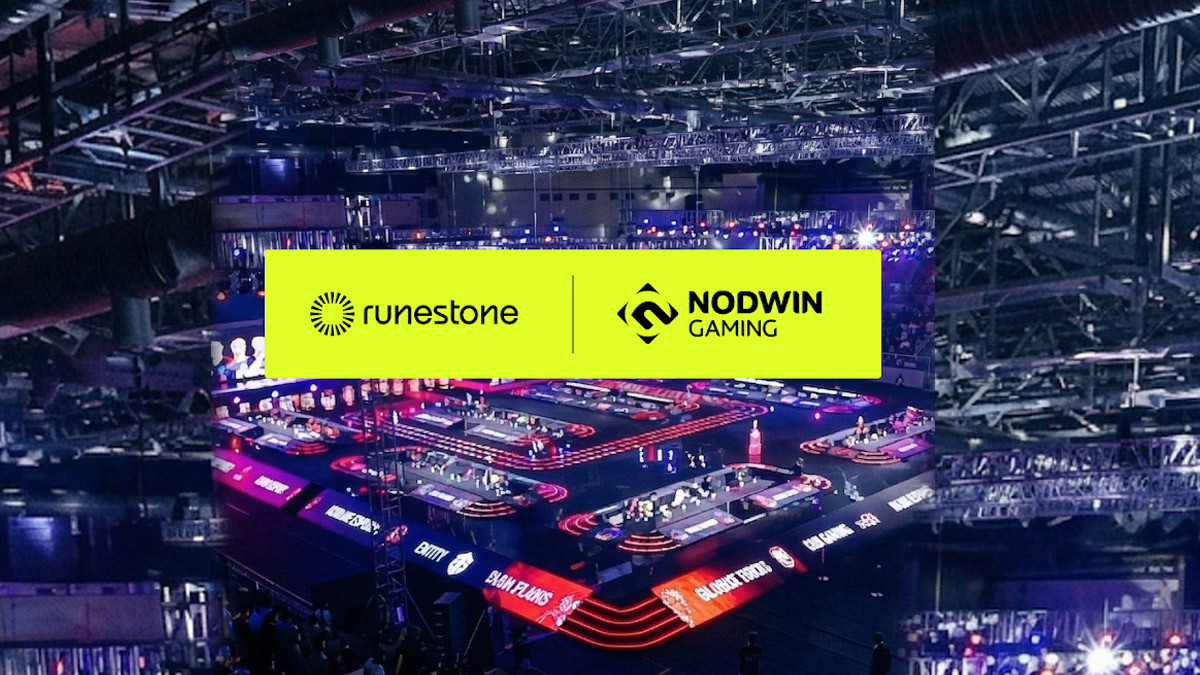
MUMBAI: Nodwin Gaming has just levelled up its game by bringing in a specialist to keep the scoreboard honest and the fans fully engaged. The leading South Asian esports and gaming company has announced a strategic partnership with Runestone, a Prague-headquartered esports technology firm specialising in real-time data and engagement solutions for tournament organisers and publishers.
The collaboration aims to strengthen competitive integrity, improve operational oversight, and deliver more interactive viewing experiences across Nodwin’s properties. It will initially focus on the Nodwin Clutch Series for Counter-Strike 2, a Tier 2 tournament that provides emerging teams with consistent competitive opportunities and helps build the talent pipeline.
The latest edition of the series recently concluded with Big defeating ECSTATIC 2–1 in the grand final of the $50,000 online event.
Nodwin Gaming chief business officer at MENA and global head of data monetization Teemu Koski said, “Integrity and transparency are fundamental to sustainable esports ecosystems, especially in Tier 2 competition where the next generation of talent emerges. Runestone’s expertise complements our experience in building scalable esports IPs.”
Runestone head of partnerships Michael Schwartz added, “Nodwin Gaming has built one of the most dynamic esports ecosystems across emerging markets. We’re thrilled to collaborate on supporting tournaments with greater transparency, deeper fan interaction, and scalable tools.”
Both companies are exploring opportunities to extend the partnership across additional titles, including mobile-first competitive ecosystems, and to develop new products for publishers, tournament operators, and event promoters.
In the rapidly growing world of esports, where fair play and fan excitement are equally crucial, Nodwin Gaming and Runestone are teaming up to ensure every match is not only competitive but also transparent and engaging. This alliance could well become a game-changer for Tier 2 tournaments across South Asia and beyond.







