Connect with us

iWorld

Jio IPO faces delay as India yet to clear listing rule changes

Proposed rule change allows mega IPOs to float just 2.5 per cent

Published

on

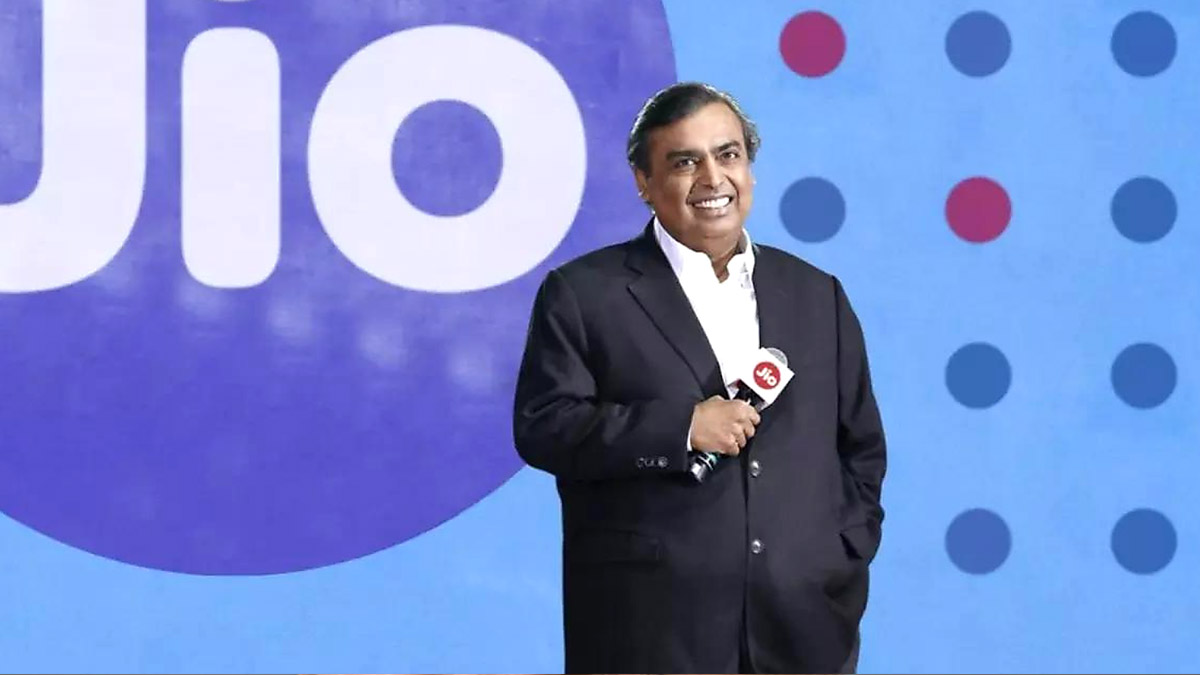
MUMBAI: The Indian government’s delay in formalising changes to listing rules may derail the targeted timeline for the initial public offering (IPO) of Jio Platforms, the digital arm of Reliance Industries controlled by billionaire Mukesh Ambani.

According to media reports, Reliance is awaiting formal notification of regulatory amendments before appointing investment bankers and filing a draft IPO prospectus. The company is now aiming to submit the draft prospectus before April, depending on when the government issues the notification.

Jio, which owns India’s largest wireless operator, is widely seen as one of the crown jewels of Ambani’s business empire. Its listing, the first public offering of a major Reliance unit in nearly two decades, could become the country’s biggest ever IPO.

Advertisement

Investment bankers have proposed a valuation of as much as $170 billion for the company. Even the minimum stake sale could raise roughly $4.3 billion, potentially placing Jio among India’s most valuable listed companies.

Ambani had earlier said that Reliance was targeting a listing of Jio in the first half of 2026, a plan first outlined in 2019 with a five-year timeline. In 2020, global technology groups Meta Platforms and Alphabet invested more than $10 billion combined in the company.

The delay stems from pending regulatory changes approved by the Securities and Exchange Board of India in September. The amendments allow companies with a post-issue market capitalisation exceeding Rs 5 trillion (about $55 billion) to float as little as 2.5 per cent of equity in an IPO, compared with the current 5 per cent minimum.

Advertisement

Such changes are expected to enable mega listings, including potential offerings by Jio and the National Stock Exchange of India. However, the reforms still require formal notification from the government.

Meanwhile, the National Stock Exchange is moving ahead with plans to raise as much as $2.5 billion through its own IPO and has recently invited banks to pitch for roles in the offering.


Advertisement
Click to comment

Leave a Reply

Your email address will not be published. Required fields are marked *

iWorld

Karnataka to ban social media for children under 16; Meta warns of risks

Meta urges parental oversight over blanket bans as debate on child online safety grows

Published

on

KARNATAKA: Karnataka may bar children under 16 from accessing social media platforms, chief minister Siddaramaiah said on Friday while presenting the state budget. This marks the most definitive move yet by an Indian state to regulate young users online.

The proposal aims to limit the harmful effects of excessive mobile and social media use among children, the chief minister said, amid growing concerns about screen addiction and mental health.

If implemented, Karnataka would become the first state in India to formally move towards a ban on social media access for minors under 16. Other states, including Andhra Pradesh and Goa, have previously said they were examining similar measures.

Advertisement

The idea has been under discussion within the state government for months. Earlier this year, state minister for information technology and biotechnology Priyank Kharge, told the legislative assembly that the government was studying ways to ensure responsible use of artificial intelligence and social media by young users.

Health minister Dinesh Gundu Rao has also raised concerns about excessive screen exposure among children. Meanwhile, BJP MLA and former minister Suresh Kumar urged the government to treat the issue seriously, warning that unrestricted social media use could affect both education and family life.

Siddaramaiah had previously discussed the issue with university vice-chancellors as well, seeking their views on restricting mobile phone use among children under 16.

Advertisement

Karnataka’s proposal comes amid a widening global debate over children’s access to social media.

Countries such as Australia have introduced stricter limits on younger users, while governments in the United Kingdom and Finland have also been exploring regulatory safeguards.

In parts of Europe, including France and Spain, schools have imposed restrictions on smartphone use in classrooms to reduce distraction and improve student focus.

Advertisement

Policymakers worldwide are increasingly concerned about the impact of social media algorithms, digital addiction and online risks on minors.

India’s Economic Survey 2025–26 also flagged excessive smartphone use among young people, linking it to sleep disruption, anxiety, reduced attention spans and rising academic stress.

Experts say the dangers extend beyond simple screen addiction.

Advertisement

Cybersecurity specialists warn that children often share personal information online without understanding privacy implications. Social media platforms, gaming apps and messaging services routinely collect location data, behavioural patterns, voice samples and browsing habits, creating digital profiles that could later be misused for surveillance, identity theft or targeted manipulation.

Online grooming is another growing concern. Law enforcement agencies globally have warned that predators increasingly use social media, gaming chats and messaging platforms to gain the trust of minors before exploiting them.

Artificial intelligence is also complicating the landscape. AI-powered recommendation systems and chatbots can keep children engaged for long periods while collecting behavioural data. In some cases, experts say these systems may inadvertently expose young users to harmful content.

Advertisement

Technology companies, however, argue that outright bans may not be the most effective solution.

Responding to the proposal, Meta said governments should prioritise parental oversight rather than blanket restrictions.

A Meta spokesperson said the company shares the goal of creating safer online experiences for young users but believes parents should ultimately decide which apps their teenagers use.

Advertisement

“We want the same thing as lawmakers: safe, positive online experiences for young people and believe parents should decide which apps their teens use,” the spokesperson said.

The company warned that sweeping bans could push teenagers towards less regulated websites or workarounds that bypass existing safety protections.

“Governments considering bans should be careful not to push teens toward less safe, unregulated sites, or logged-out experiences that bypass important protections,” the spokesperson added, pointing to safeguards such as Instagram’s Teen Accounts.

Advertisement

Meta also argued that focusing on a handful of platforms may not address the broader issue, noting that teenagers typically use dozens of apps each week. Experts say blanket bans may prove difficult to enforce in practice. Young users could circumvent restrictions through virtual private networks, anonymous accounts or lesser-known platforms that operate outside major regulatory frameworks.

Because digital platforms also provide access to educational resources, coding communities and creative opportunities, policymakers are increasingly exploring a middle path. That approach combines age-based safeguards, stronger privacy protections, parental supervision and digital literacy programmes instead of outright bans.

Advertisement
Continue Reading

Advertisement News18
Advertisement All three Media
Advertisement Whtasapp
Advertisement Year Enders

Copyright © 2026 Indian Television Dot Com PVT LTD

This will close in 20 seconds