iWorld
Hooq adds exciting American series

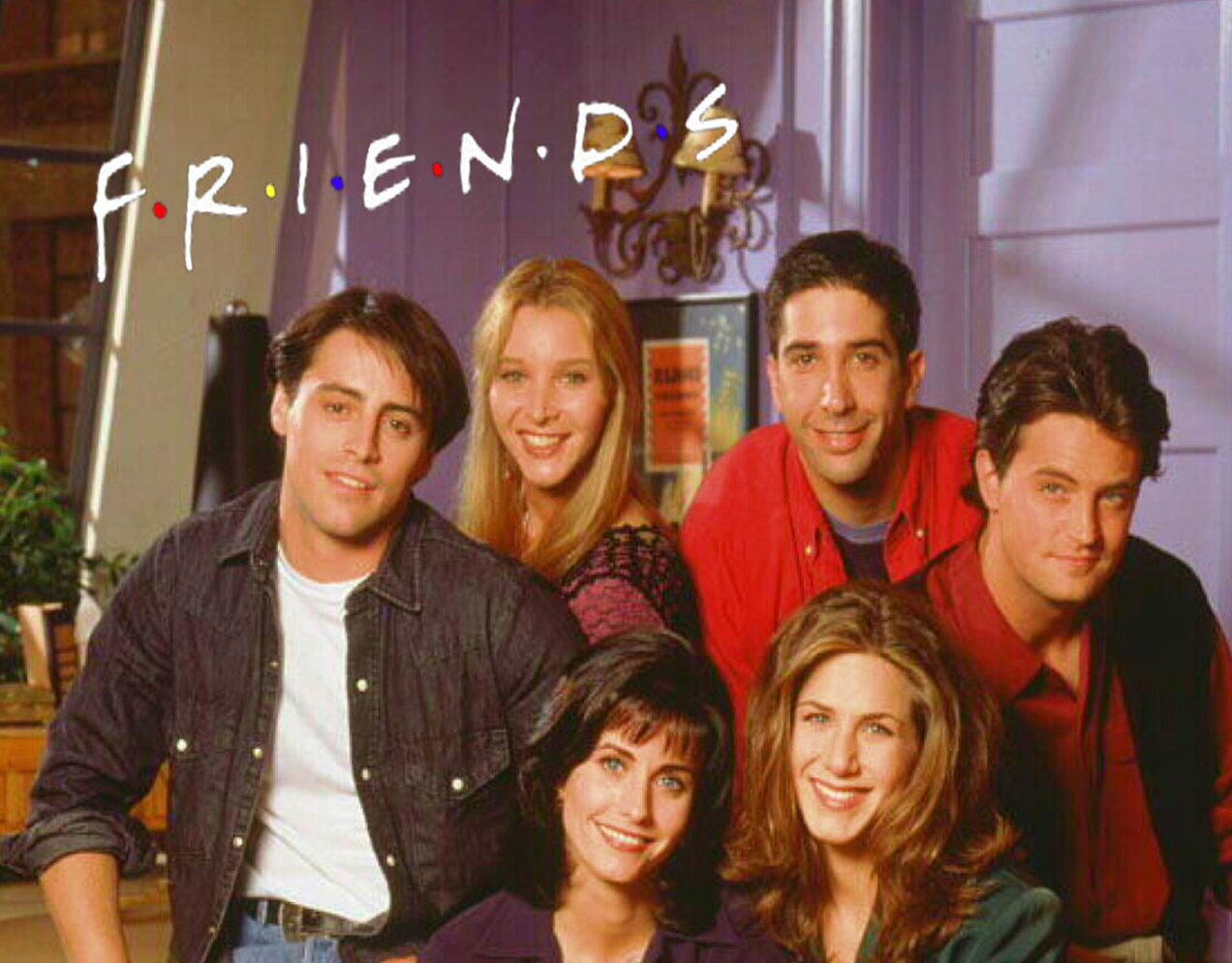
MUMBAI: Hooq Asia’s first premium video-on-demand service, today announced the addition of new titles to its already extensive content catalogue especially for HOOQ’s Indian Audience. The new titles include some of the most popular and iconic TV shows of all times like Friends, The Big Bang Theory, Two and a Half Men and Community amongst others.
Friends is an American television sitcom, created by David Crane and Marta Kauffman, which originally aired on NBC from September 22, 1994, to May 6, 2004, lasting ten seasons. The plot is centered around a set of six friends (Rachel Green, Ross Geller, Monica Geller, Joey Tribbiani, Chandler Bing and Phoebe Buffay), living off of one another in the heart of New York City.
The Big Bang Theory is one of the blockbuster shows that is primarily centered on five characters; the two roommates Leonard Hofstadter and Sheldon Cooper, both physicists who are surrounded by their geeky friends like aerospace engineer Howard Wolowitz and astrophysicist Raj Koothrappali. The showstopper being a character, their neighbour named Penny, a waitress and an aspiring actress. The plot is all about the geekiness and intellect of the four guys in contrast for comic effect with Penny’s social skills and common sense.

Community is an American television series that follows an ensemble cast of characters at a community college in the fictional town of Greendale, Colorado. It makes heavy use of meta-humor and pop culture references, often parodying film and television clichés and tropes.
Two and a Half Men is an American television sitcom that originally starred Charlie Sheen (the lead character later being replaced by Ashton Kutcher), Jon Cryer, and Angus T. Jones. The series is about the bumpy life of a hedonistic jingle writer, Charlie Harper; his uptight brother Alan; and Alan’s son Jake.
Commenting on the new additions,Hooq India managing director Salil Kapoor, said, “We always want to offer our customers the best and most exciting content from across the world and genres. Titles such as Friends, The Big Bang Theory, Two and a Half Men have become iconic symbols which would work very well with the younger audiences. While HOOQ has one of the largest numbers of Hollywood titles and we are very excited to continuously add more content every month. With varied content on our platform, we aim to offer our audiences different flavors with an uninterrupted viewing experience. “






iWorld
JioHotstar enters micro-drama space with 100 shows under Tadka banner
Short-form push targets 300M users as content meets commerce in new format
MUMBAI: JioStar has made a bold play in India’s fast-growing micro-drama space, rolling out over 100 short-form shows under its new Tadka banner on JioHotstar, timed with the massive viewership surge of the Indian Premier League 2026.
The scale of the launch signals clear intent. Rather than testing the waters, the company has dived in headfirst, releasing a wide slate of content on day one. Each show is designed for quick consumption, with episodes running 60 to 90 seconds in a vertical format tailored for mobile-first audiences.
The move comes as India’s micro-drama market, currently valued at around $300 million, is projected to grow tenfold to over $3 billion by 2030. Globally, the format has already proven its mettle, with China’s micro-drama sector recording explosive growth in recent years.
What sets this rollout apart is its built-in monetisation strategy. The shows are free to watch and ad-supported, with brand integrations woven directly into storylines from the outset. It reflects a broader shift where content and commerce are increasingly intertwined, rather than operating in silos.
The timing is equally strategic. With more than 300 million users already tuning in for IPL action, JioHotstar is effectively turning cricket’s biggest stage into a discovery engine for its new format.
The company is not entering an empty arena. Early movers like Kuku TV, MX Player and platforms backed by Zee Entertainment Enterprises have already laid the groundwork, building audiences and validating demand for snackable storytelling.
Now, with scale, distribution and advertiser interest aligning, the big players are stepping in. For JioStar, Tadka may well serve as a proving ground for the next evolution of digital entertainment, where every minute counts and every second sells.
If the bet pays off, India’s next big content wave might just arrive in under 90 seconds.






