Broadband
Delivering broadband and video tech; ARRIS opens R&D Centre in Bengaluru


SINGAPORE: ARRIS International plc (NASDAQ: ARRS) today opened its largest Research and Development (R&D) and operations center outside of the US – in Ulsoor, Bengaluru. The state-of-the-art facility hosts a combination of world-class engineers from two former ARRIS and Pace sites following ARRIS’s January 2016 acquisition of Pace. The center promotes collaboration and the efficient development of advanced broadband and video solutions for the next generation of services – including Gigabit broadband, 4K TV, and Wi-Fi.
The new, multi-million dollar Bengaluru center represents a strategic investment in high-value IP creation. With cutting-edge lab infrastructure, advanced test facilities, and 24*7 support for installation activities at customer premises globally, the center provides leading design, development, and quality assurance programs across the vast majority of ARRIS global solutions.
“Our world-class Bengaluru facility is at the center of ARRIS’s global initiative to innovate and scale the technology that will transform how people around the world watch video and connect to the Internet,” said Bob Stanzione, Executive Chairman and Chairman of the Board of Directors. “This center unites two premier groups of engineers and empowers them with the resources to deliver the next era of innovation for our customers worldwide.”

Kiran Gadi, Country Head and VP, Engineering, ARRIS India, added: “The Bengaluru R&D center represents ARRIS’s commitment to the region, to collaboration across our talented engineering teams, and to our global customers. Together, we’re positioning ARRIS and its customers for the next stage of growth.”







Broadband
ACT Fibernet elevates Aditya Singh to chief customer experience officer
Former senior vp to drive service, retention and delivery revamp
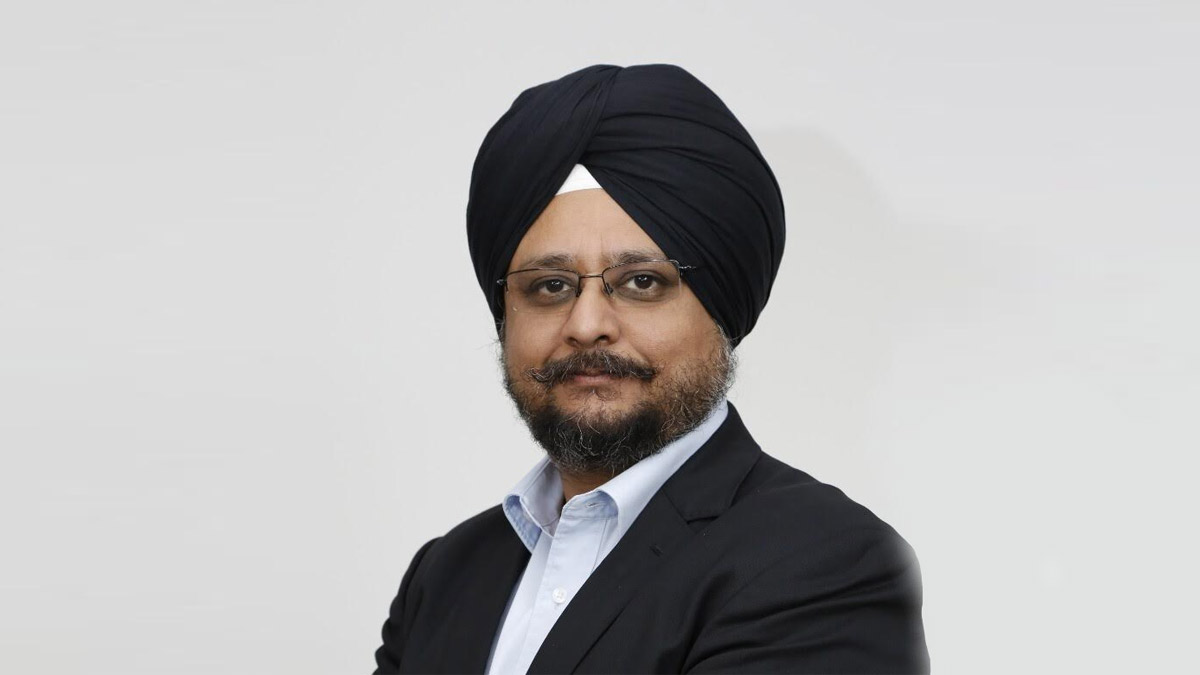
BENGALURU: ACT Fibernet has elevated Aditya Singh to chief customer experience officer, effective 1 January, 2026, as the broadband provider seeks to tighten its grip on service quality in an increasingly competitive market.
Singh, who previously served as senior vice-president – customer experience and loyalty at group level, will now join the executive committee and lead the company’s end-to-end customer transformation agenda.
The move gives him oversight of customer service, customer retention and service delivery, alongside a broader mandate to strengthen network resilience and field operations. The company said the reshuffle underlines its intent to deliver a “consistent, seamless and superior” experience to its 2.3m subscribers across more than 30 cities.
Headquartered in Bengaluru, ACT Fibernet, the consumer-facing brand of Atria Convergence Technologies Limited, is one of India’s largest wired internet service providers. It has built its pitch on high-speed connectivity and responsive customer support, at a time when fibre roll-outs and price wars are redrawing the broadband map.
In a statement, Singh said he was “deeply honoured” to take on the expanded brief and join the executive committee as the company sharpens its focus on simplifying customer touchpoints and turning subscribers into brand advocates.
The elevation signals a clear priority: in a crowded fibre market, customer experience is fast becoming the decisive battleground.








