Gaming
Crypto IEO Token Sale on P2B Exchange


Crypto IEO Token Sale
Among other numerous crypto exchange platforms and launchpads all over the world, P2B provides full transparency for every token sale on the platform. It’s a tier-two exchange that takes pride in promoting and listing an enormous number of tokens successfully.
P2B is focused on a better user experience and a loyal community that eventually leads all these projects to a better outcome.

One of the best ways to successfully launch your crypto token is to apply for IEO.
What is IEO?
An initial Exchange Offering is a good way to promote your token in the early stages of development while also raising funds for this purpose. The whole procedure is hosted on a centralized exchange that takes care of every major process of fundraising: KYC, transactions, and marketing. The ultimate goal of IEO is to promote your token within the exchange’s customers pool and get your project ready for the next step.
Usually, there are three rounds of IEO and the token’s price increases after each of them.
You can see it as if the exchange platform does everything to make fundraising safer and easier for every party involved. As a crypto startup founder, you can easily trust the platform with every service required for a successful crowdfunding campaign.
How to launch a token sale through IEO?
Start small, one step at a time. First, make sure your project and its paperwork are ready.
Further steps include filling out an IEO application form on the Launchpad, creating a growth plan, and executing it. Your main task during this stage is to get everything ready.
Next, the internal promo campaign begins, advertising your project within the platform’s community first. It is followed by promotion to the global crypto community.
In order to get chosen for IEO, you have to create a truly unique and promising project, be it an NFT marketplace, a dApp, or a play-to-earn platform. Being unique is important, because that’s a deciding factor for many crypto investors who want to see the crypto industry growing for better.
After an IEO, you can get listed on the same exchange platform. This will, in turn, serve as a proof that your token has liquidity and can be traded amongst other cryptocurrencies.
What is a P2B exchange?
P2B, formerly known as P2PB2B, is a crypto exchange platform founded in 2018. The platform offers a full spectrum of crypto trading services both for project owners and investors:
1. It’s an exchange platform. P2B can easily break the record for the huge number of tokens it offers for trading.
2. It’s a launchpad. You can apply for IEO or IDO there ‒ the process is quite easy with the platform as the team offers very convenient ways to reach out to you.
3. It’s a blog. The P2B team has great insights into the crypto industry, constantly sharing the knowledge with the community.
4. It offers consulting services. If you apply for IEO or IDO and need a proper audit of your project, the P2B team can do it for you.
The platform describes itself as a partner and a consultant for aspiring crypto projects, and the concept of it is really great: everyone wants to have a massive success without having a detailed how-to plan. P2B slowly, but steady, helps promising crypto projects become the next big things on the crypto market.

Launching IEO on the P2B launchpad
The platform offers a quite easy and understandable roadmap for IEO. First, you have to submit a request on the platform’s website. P2B asks only about essential info on your project ‒ the rest can be discovered via consultation with their experts.
Next, when the application is submitted, reviewed, and accepted, the team creates a plan for further project growth. Think of it as a roadmap for your crypto project that includes financial and promotional aspects.
And finally, the promotional and fundraising stage begins. This is where your project is being actively advertised to the local crypto community, and then ‒ to a wider public. There are usually three rounds of fundraising.
And, finally, when the IEO campaign is over, your project gets listed on P2B and becomes available for everyone to trade. But it’s not where everything ends. Next up, the market-making and further business development begins, building a better foundation for your project’s future.




Gaming
Konami concludes successful eFootball India campaign
Campaign featuring Rinku Singh, Varun Chakravarthy and other stars boosts engagement ahead of FIFA World Cup 2026.
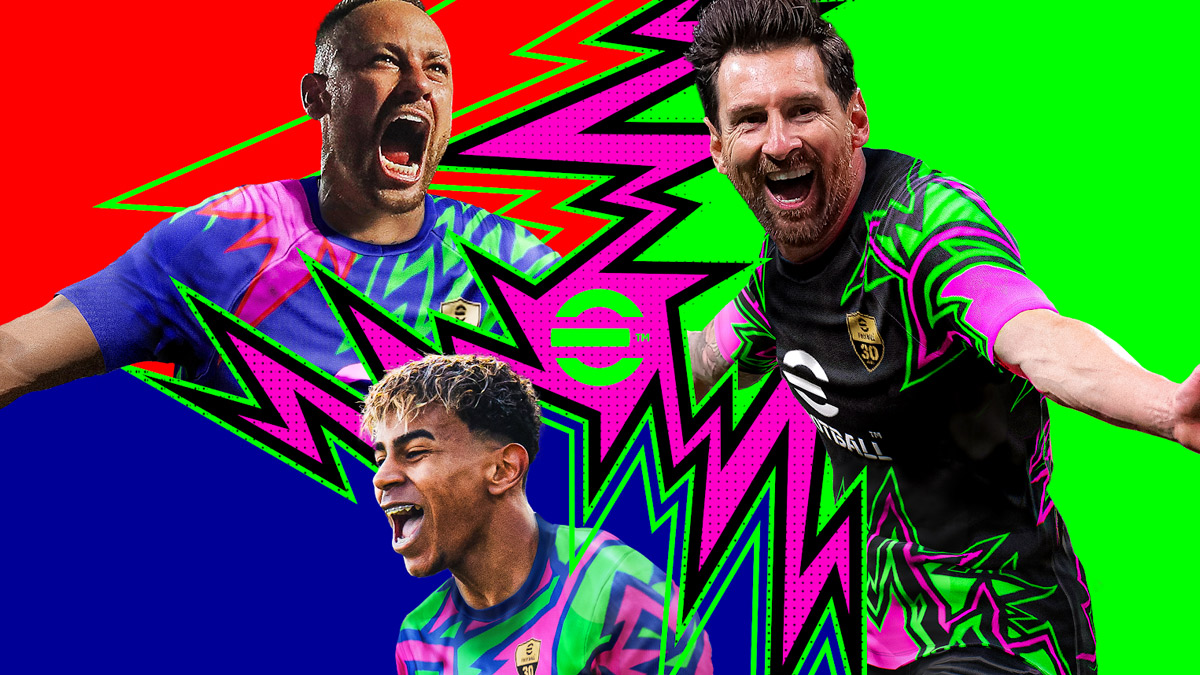
MUMBAI: When cricket meets football in the virtual world, even the biggest fans can’t help but score and Konami’s latest eFootball campaign in India has clearly hit the back of the net. Konami Digital Entertainment has successfully wrapped up its India campaign for eFootball, which brought together cricketers Rinku Singh and Varun Chakravarthy, actors Naslen Gafoor and Chandu Salim Kumar, and footballers Sahal Abdul Samad and Shubhasish Bose. The multi-star campaign generated strong excitement across gaming, football, and creator communities through social content, fan participation, and in-game engagement.
Building on the initial launch that featured a limited-time Lionel Messi card, the campaign united fan communities, lifestyle creators, football creators, and competitive eFootball influencers. It significantly expanded the game’s visibility and deepened engagement with fans across the country.
The campaign also saw thousands of entries submitted as part of its social media engagement challenge, reflecting high levels of community enthusiasm and active creator involvement.
Looking ahead, Konami plans to build on this momentum with more eFootball experiences for Indian fans as the FIFA World Cup 2026 approaches. With global attention on the tournament set to rise, India will remain a key market for deepening community engagement and bringing fans closer to the action.
In a country that lives and breathes sport, Konami has shown that mixing real-world stars with virtual thrills is a winning formula leaving fans eagerly waiting for the next goal.






