iWorld
Airtel, Google collaborate to block spam messages with web links
Google says safer RCS will boost trust in business messaging

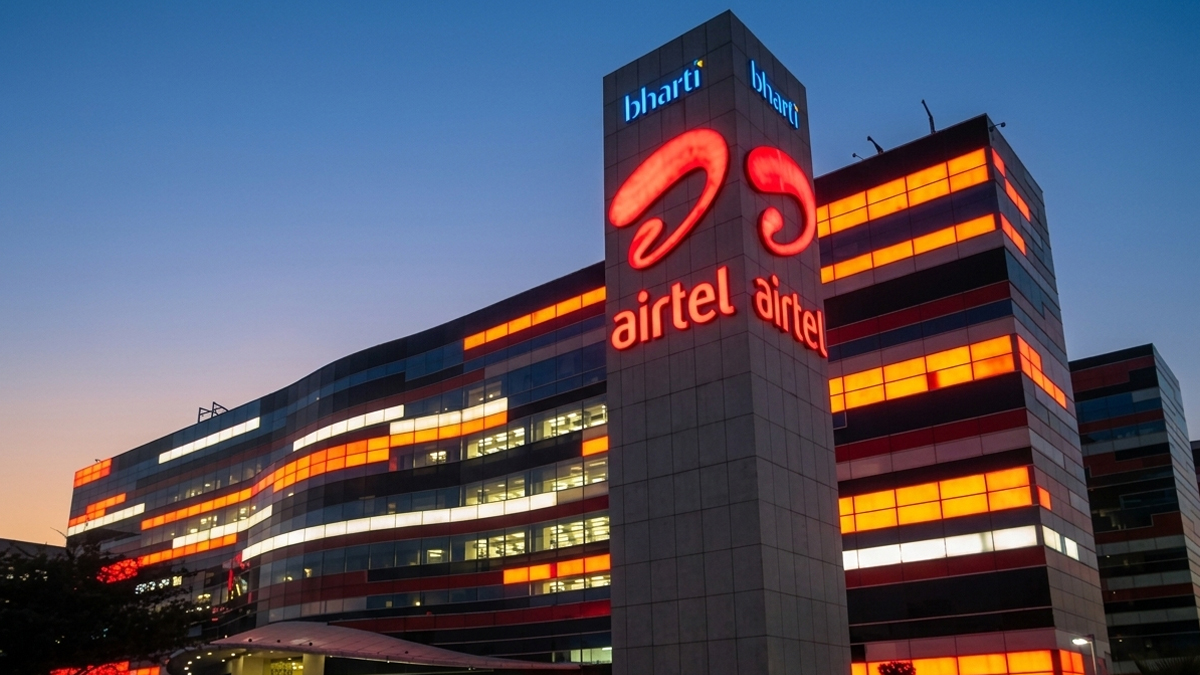
GURUGRAM: Bharti Airtel will roll out its AI-powered spam protection tool on text messages sent via Google’s messaging platform, extending its anti-fraud shield beyond the traditional telecom network.
The partnership integrates Airtel’s network intelligence with Google’s Rich Communications Services (RCS) platform and built-in spam filters. Users will retain RCS features such as high-resolution photos, video and interactive message reactions, while gaining stronger protection against mobile spam and digital fraud.
Airtel says its AI systems have blocked 7,100 crore spam calls and 290 crore spam SMSes over the past 18 months. The company claims this drove a 68.7 per cent drop in the value of financial losses on its network during that period.

The move reflects a growing concern over internet-based bulk messaging services, which often embed transaction links and are increasingly exploited by fraudsters.
Bharti Airtel executive vice chairman Gopal Vittal, said the partnership pushes customer protection beyond the telco domain. He urged over-the-top communication platforms to collaborate in curbing spam and financial fraud, arguing that many non-telco apps lack the stringent safeguards embedded in carrier-grade systems.
Airtel noted that traditional mobile networks operate under defined safety standards. By contrast, several standalone messaging apps have become fertile ground for “sophisticated bad actors”, turning into common conduits for invasive spam and financial scams.
The integration with Google aims to close that gap. By embedding Airtel’s intelligence layer into RCS, alongside Google’s own spam protections, the companies say they are creating a carrier-backed messaging environment with higher accountability.
Google Android ecosystem president Sameer Samat, said businesses using RCS for enterprise communication would benefit from clearer authentication, enabling customers to distinguish legitimate brand messages from spam. Greater trust, he argued, would translate into deeper engagement and more durable customer relationships.





iWorld
Meta showcases Ray-Ban Meta AI glasses at Lakmé Fashion Week
Wearable AI brings hands-free creativity to India’s biggest fashion stage.
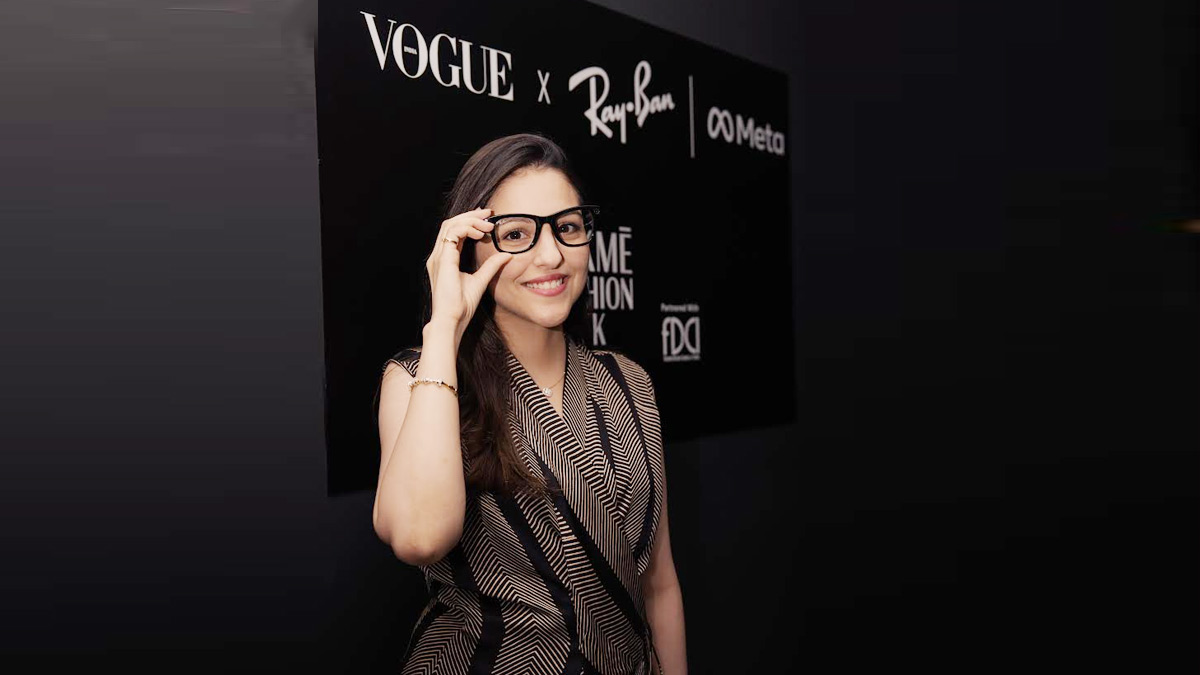
MUMBAI: Meta just put its Ray-Ban glasses on the runway because when fashion meets AI, even the front row wants to strike a pose without lifting a finger. Meta showcased its latest Ray-Ban Meta AI glasses at Lakmé Fashion Week, India’s most influential cultural and fashion platform, blending wearable technology with high-fashion storytelling in a seamless, hands-free experience.
The highlight was the Ray-Ban Meta Red Chairs integration, placing the smart glasses at prime front-row vantage points. Select creators, including Mohak Narang, Vishal Pandey, Aastha Shah, Rohit Khandelwal, Sanket Mehta, Manav & Unnati, and Sufi Motiwala, captured runway moments in real time, offering audiences a unique first-person perspective of the shows.
Beyond the catwalk, Meta hosted an exclusive dinner with leading designers such as Falguni and Shane Peacock, David Abraham and Rakesh Thakore, and Amit Gupta, allowing the fashion community to experience the glasses firsthand. An interactive “Strike a Pose with Ray-Ban Meta glasses” installation let attendees simply say “Hey Meta, take a picture” to capture high-resolution images that were instantly transformed into stylised, high-fashion magazine covers.
Meta vice president & head og India and South East Asia Sandhya Devanathan said, “Lakmé Fashion Week is a powerful national moment that continues to shape India’s fashion landscape. Bringing Ray-Ban Meta AI glasses into this space enabled creators to capture and share experiences in real time, unlocking new possibilities for creative expression.”
The collaboration underscores Meta’s push to make its technologies more accessible and relevant to India’s growing creator and fashion ecosystem, demonstrating how wearable AI can enhance storytelling and become an integral part of cultural moments.
In the glamorous chaos of Lakmé Fashion Week, where every look is carefully curated, Meta quietly reminded everyone that the future of style might just be hands-free letting creators see, capture and create without ever missing a beat (or a pose).








