iWorld
Airtel 4G network now covers 15863 towns and villages across Assam

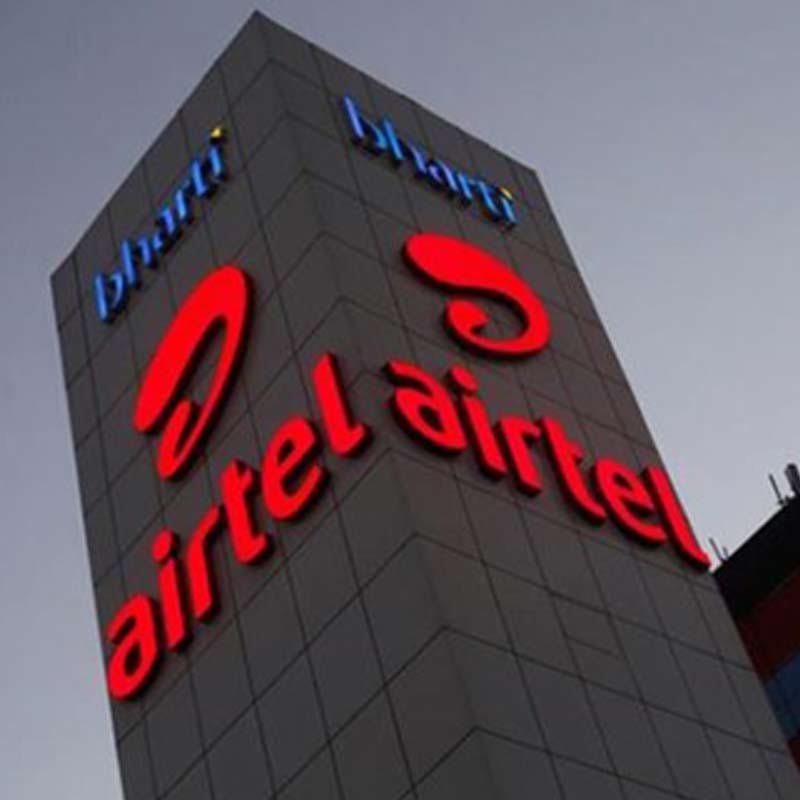
MUMBAI: Bharti Airtel (“Airtel”), India’s leading telecommunications services provider, today said that its 4G network now covers over 15863 towns and villages in Assam, empowering customers with best-in-class high speed mobile broadband services.
Airtel, which is the #1 operator in Assam with over 8.4 million customers, recently announced a massive network expansion drive to further scale up its high speed data services across the region.
In addition, as part of its acquisition of Telenor’s India operations, Airtel has added 6 MHz of spectrum in 1800 MHz band to its portfolio in Assam. This will further boost 4G network capacity in the state, complement the rollout of new sites and fiber and enhance customer experience in the form of even better indoor and outdoor coverage.

Raveendra Desai, CEO, Assam and North East, Bharti Airtel said, “To bring more and more customers onto the digital highway, we are committed to further expanding our 4G services across Assam. The availability of budget friendly smartphones is driving a massive uptake of 4G data and Airtel aims to be the 4G network of choice of customers in Assam with its superior data experience. Airtel’s affordable plans and packs offer access to exciting digital services like music, movies, LIVE TV on mobile and we invite customers to experience our 4G network.”
All Airtel 4G customers enjoy free access to Airtel TV that offers over 10,000 movies and TV shows plus 375 LIVE TV channels on the go. Airtel has also been consistently rated as the fastest network in India by global speed measurement leader – Ookla.
Airtel offers the widest bouquet of mobile services (4G/3G/2G) in Assam backed by a wide distribution channel of over 39 thousand retail outlets that serves customers even in deep rural pockets. Airtel’s network now covers 30,000 towns and villages representing approximately 94% of the state’s population.


iWorld
Cineflicks set to enter India’s OTT market with community-first focus
New platform aims to blend streaming content with interactive viewing experiences

MUMBAI: A new player is gearing up to join India’s crowded streaming arena, with Cineflicks preparing to launch as a community-driven OTT platform aimed at redefining how audiences engage with digital entertainment.
The platform plans to offer a mix of movies, series and digital content, while placing equal emphasis on building an interactive ecosystem where viewers can connect, share and participate beyond passive viewing.
India’s OTT market has seen explosive growth over the past decade, fuelled by rising smartphone penetration and affordable internet access. As streaming becomes the default mode of content consumption, new entrants are increasingly looking to differentiate themselves not just through content libraries but through user experience.
Cineflicks appears to be positioning itself within this next phase of evolution. Instead of focusing solely on scale, the platform is aiming to create a space where audiences can engage more deeply with the content they watch, turning entertainment into a shared experience rather than a solo activity.
While details around its content slate remain under wraps, people familiar with the development say the platform is currently building out features and partnerships ahead of a phased rollout. The broader strategy suggests a blend of content discovery, community interaction and digital participation.
The timing is notable. With global and regional streaming platforms competing intensely for attention, the emphasis is slowly shifting towards engagement and retention rather than just acquisition. Platforms that can foster stronger audience connections may have an edge in this evolving landscape.
Cineflicks’ entry reflects the continued expansion of India’s digital entertainment ecosystem, where innovation is increasingly being driven by how content is experienced, not just what is offered.
As the platform moves closer to launch, the real test will be whether it can translate its community-first pitch into a compelling, everyday habit for viewers.







