Executive Dossier
“I don’t believe half-baked shows are accepted by viewers”: Aditya Singh Contiloe Films

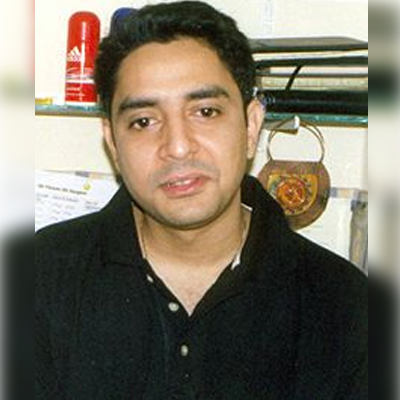
When Aditya Singh and brother Abhimanyu started their production house Contiloe Films Private Ltd in 1996, all they had was a vision in mind. For the first three years, the duo made serials for Doordarshan. Today, Contiloe has carved a niche for itself with serials like Krishna Arjun (earlier called Krishna Sharma CA), Rahen Na Rahen Hum, Sshhh… Koi Hai and Kashmeer on Star Plus.
Together, Aditya and Abhimanyu have a agreement – while Aditya is involved in conceiving and developing concepts and marketing them to the channel, Abhimanyu takes over the production and the actual execution of projects.
However, of late, the duo admit they are broadening their horizons. Abhimanyu is getting more involved with the creatives and Aditya is focusing on evolving the company’s future plans for growth, including recruitments.

Indiantelevision.com’s Vickey Lalwani spent some quality time with Aditya to understand his views on various aspects of the television industry and his plans for the future. Excerpts from the interview:
|
How do you view the progress of Contiloe Films? |
|||
|
‘Krishna Arjun’ was earlier titled ‘Krishna Sharma CA’. Were you disappointed that the original comedy show, intended to tackle real life issues, did not work? But there was no question of disappointment, when it didn’t work out – we were confident that we could turn it around. Actually, we were running out of issues. So we modified it into a show which would cater to kids. Fortunately, Star Plus supported the show in its new avatar. And we succeeded in making it more entertaining and gripping. |
|||
|
You seem to have a special equation with Star. Any reasons for that? Today, television is all about the support a subject gets in terms of budget for execution and promotion. It’s essential that the production house and channel understand each other’s needs, thrash out their differences, meet on common ground and pour in the creative inputs collectively. It’s so comfortable and stimulating if the producer and the broadcaster are on the same level. We don’t want innovations and inventions to take a backseat. It’s very easy to do five daily soaps without doing justice to any of the projects. I don’t believe half-baked shows are accepted by the viewers. |
|||
|
|||
|
You started working with DD Metro. Currently, why don’t you have any show on Doordarshan? |
|||
|
Why did ‘Kashmeer’ stop abruptly? |
|||
|
Would you take up production of another serial on a sensitive issue like that of ‘Kashmeer’ again? |
|||
|
‘Krishna Arjun CA’ started off as a comedy but later changed tracks. Even generally, soaps are more in number than sitcoms, on any channel. Why this trend? |
|||
|
Do you intend making soaps? |
|||
|
Other plans? |
|||
|
Do you plan to produce telefilms? But as and when the time is right, we would certainly indulge in making telefilms. The phase of telefilms will come back. But nobody can tell when exactly would that be. |
|||
|
|||
|
What are the disappointments, if any, that you have felt along the way as a TV producer? Producers, who deliver on quality and don’t maximise profits by cutting costs, don’t generally suffer. You can’t keep a good man down; you can’t trample on good work. Are film based shows (like ‘Jubilee Plus’) more profitable propositions than soaps? |
|||
|
Last year, you had told indiantelevision.com in an interview: “I foresee a great scope for news-based programming, which I plan to get into in a big way”. Any progress on that front? As for venturing into news shows, I am ready if I am supported by my broadcaster. If I get a broadcaster like Star who pays me well, never delays my payment and compensates me for something that I have shot but they couldn’t telecast, then why not? |
|||
| Do you believe in TRPs? Certainly. It’s a very scientific method. |
|||
|
Your views on CAS… Distribution in India is a major problem. Nothing happens overnight. But I fear that when CAS is implemented, many lower-middle class viewers will be forced to opt out of the pay channel packages due to money constraints. The effects could be more traumatic than we can imagine. People have become so dependent on television now that I wonder what they would do without most channels! |
|||
| Post-CAS, do you think production quality will suffer, especially if channels start granting lesser funds than before? Maybe, but in that case, you can’t blame the channel either. Channels are doing their business. Which businessman can ignore a loss? However, in such a case, producers may even start raising the quality of their content in order to get noticed. |
|||
| You are partnering with Cinevistaas for post-production facilities. But you had said earlier that you would be setting up your own post-production house. We have a very comfortable working relationship with Cinevistaas. Presently, we are doing Sshhh… Koi Hai as a joint venture with them. Our other shows on air- Krishna Arjun, Jubilee Plus etc are being done independently by us. We have also set up our own post-production unit. |
|||
| Are women producers more successful on Indian television? This is a recent trend and has to do with the women-centric soaps on television, of late. But I wouldn’t read much into it. |
|||



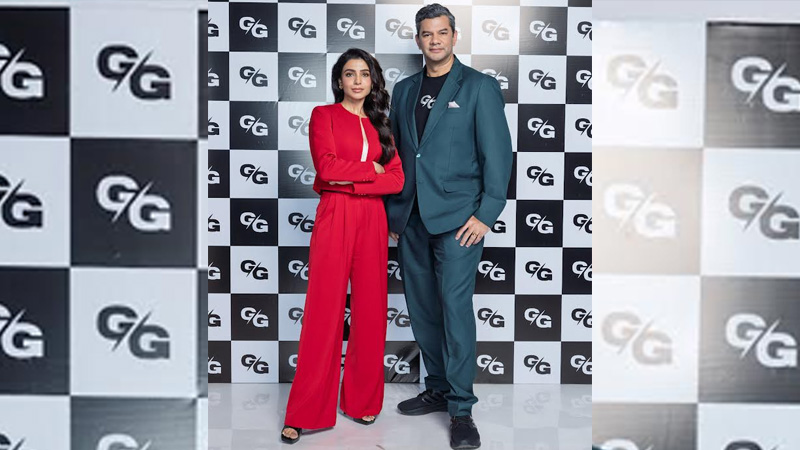
MUMBAI: Game faces on, pressure high India’s gaming ambitions are levelling up. Good Game, billed as the world’s first as-live global gaming reality show, has officially launched in India with a bold mission: to crown the country’s first Global Gaming Superstar.
Blending esports with mainstream entertainment, the show brings together competitive gaming, creativity and on-camera performance in a format that tests more than just joystick skills. Contestants will be judged on gameplay, screen presence and their ability to perform under pressure, reflecting how gaming has evolved from pastime to profession and pop culture currency.
Fronting the show are three high-profile ambassadors: actor and entrepreneur Samantha Ruth Prabhu, Indian cricket star Rishabh Pant, and gaming creator Ujjwal Chaurasia. The winner will take home Rs 1 crore ($100,000) among the largest prize pools for any Indian reality show along with the chance to represent India on a global stage.
Backed by a planned annual investment of up to Rs 100 crore, Good Game is also courting brand partners, promising a minimum reach of 500 million among India’s core youth audience. The creators position the show as a bridge between entertainment and interactive culture, offering long-format content, community engagement and commercial scale.
Auditions are now open to Indian citizens aged 18 and above, inviting amateur and professional gamers, creators and performers alike. Shortlisted candidates will be called for in-person auditions in Mumbai on 14 and 15 February, and in Delhi on 28 February and 1 March 2026.
With big money, big names and even bigger ambition, Good Game signals a shift in how India views gaming not just as play, but as performance, profession and prime-time spectacle.







