Cable TV
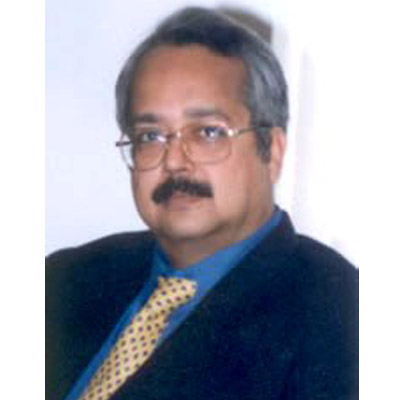
‘Buyout valuations will now be decided in terms of ARPU rather than carriage growth’ : IMCL MD and CEO Ravi Mansukhani

|
IndusInd Media and Communications Ltd (IMCL), the media subsidiary company of Hinduja Ventures Ltd, plans to raise $100 million, a major chunk of which will be used to fund acquisitions.
Operating its cable TV business under the InCablenet brand, IMCL had earlier planned an initial public offering (IPO) but changed its stance as the newly listed cable TV entities, Den Networks and Hathway Cable & Datacom, dropped in market value. 
Even on the acquisition front, IMCL has changed gears. Earlier, the focus was to buy small-sized cable TV networks and expand geographies. Now it targets big-ticket acquisitions, expecting the sector to consolidate as the government chalks out a schedule for digitisation across the country.
Slow on the broadband path, IMCL is experimenting on new technologies where it will not have to entirely overhaul its network to load on broadband capability.
In an interview with Indiantelevision.com’s Sibabrata Das, IMCL managing director and chief executive officer Ravi Mansukhani talks about how the acquisition game is going to move from carriage calculations to valuations based on ARPU (average revenue per user) growth as the cable TV sector transitions into the digital era.
Excerpts: |
|
|
Why is IMCL taking so much time in readying its IPO?
We have separately raised Rs 1 billion of debt from General Electric. So funding is being taken care of. We are getting ready to move into top gear. |
|
|
Have you finalised on how you are going to raise this amount? |
|
|
Are we going to expect acquisitions or a drive to greater digitisation? |
|
|
Why has there been a change in stance as the earlier focus was to buy small-sized cable TV networks and expand geographies? |
|
|
Will the acquisition game change even as the government lays out a roadmap for digitisation across the country? |
|
|
|
|
Do you see MSOs fighting amongst each other once the digitisation programme is announced? |
|
|
How will MSOs counter the DTH invasion? |
|
|
How much of IMCL‘s network is digitised?
If the government‘s digitisation plan is on stream, we will deploy close to two million additional boxes in Phase 1. We are going to fund our digitisation through lease and vendor financing. |
|
|
Why is IMCL‘s broadband story yet to emerge?
We plan to have a strong broadband story once the digital path is properly spelt out. We are currently experimenting on new technologies where we will not have to entirely overhaul our network to load on broadband capability.
We won‘t have a problem building up broadband revenues once we have pushed the digital STBs in. The script will change after the government announces the sunset date for the digitally notified areas. It is companies like You Telecom who will need to grow their cable TV presence in order to provide broadband. |
|
|
Hathway has announced it would launch its HD service in June. When are you getting into this segment? |
|
|
IMCL‘s total income jumped 23 per cent to Rs 4.03 billion in FY‘11. What growth do you estimate in FY‘12 and what is the outlook on carriage income?
We saw 18-20 per cent growth in carriage income in FY‘11. We expect strong growth from this stream as more and more channels get launched in the fiscal. |





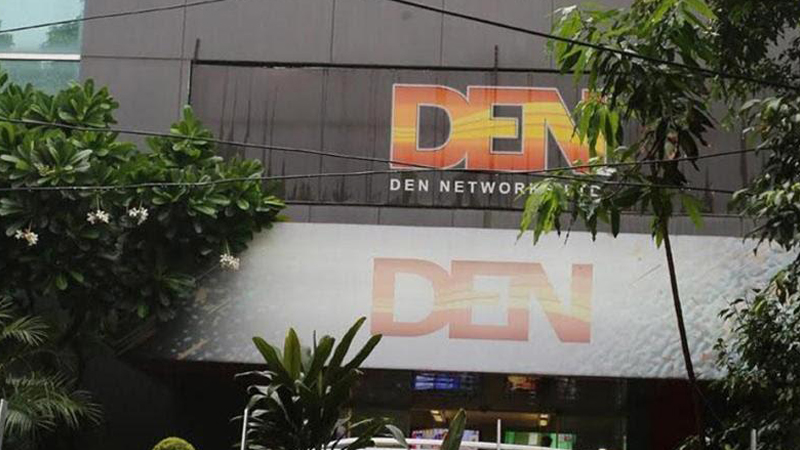
MUMBAI: When margins wobble, liquidity talks and in Q3 FY25-26, cash did most of the talking. Den Networks Limited closed the December quarter with consolidated revenue of Rs.251 crore, marginally higher than the previous quarter but down 4 per cent year-on-year, even as profitability stayed resilient on the back of strong cash reserves and disciplined cost control.
Subscription income softened to Rs.98 crore, slipping 3 per cent sequentially and 14 per cent from last year, while placement and marketing income offered some cheer, rising 15 per cent quarter-on-quarter to Rs.148 crore. Total costs climbed faster than revenue, up 7 per cent QoQ to Rs.238 crore, driven largely by higher content costs and operating expenses. As a result, EBITDA dropped sharply to Rs.13 crore from Rs.19 crore in Q2 and Rs.28 crore a year ago, pulling margins down to 5 per cent.
Yet, the bottom line refused to blink. Profit after tax stood at Rs.40 crore, up 15 per cent sequentially and only marginally lower than last year’s Rs.42 crore. A healthy Rs.57 crore in other income helped cushion operating pressure, keeping profit before tax at Rs.48 crore, broadly stable quarter-on-quarter despite the tougher cost environment.
The real headline-grabber, however, sits on the balance sheet. The company remains debt-free, with cash and cash equivalents swelling to Rs.3,279 crore as of December 31, 2025. Net worth rose to Rs.3,748 crore, while online collections accounted for 97 per cent of total receipts, underscoring strong cash discipline across operations, including subsidiaries.
In short, while Q3 showed signs of operating strain, the financial backbone remains solid. With zero gross debt, steady profits and a formidable cash war chest, the company enters the next quarter with flexibility firmly on its side proving that in uncertain markets, balance sheet strength can be the best growth strategy.






